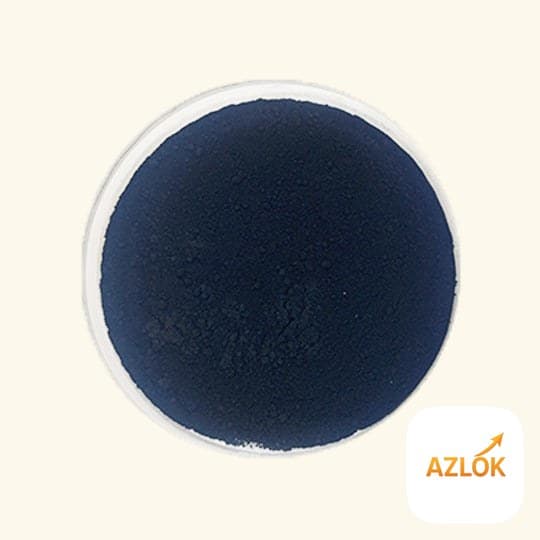

Activated charcoal powder is a fine, odourless black powder made from coconut shells that binds to dirt, oil and impurities, which is why it turns up in face masks, cleansing bars, scrubs and hair care. Azlok's version is cosmetic grade and works as a raw ingredient you blend into your own formulations rather than something you apply neat.
What Is Coconut Shell Activated Charcoal?
Charcoal becomes "activated" when it is processed to develop a huge network of tiny pores. Those pores give it a very large surface area, so the powder can trap oils, dirt and residue on the skin's surface. Coconut shell is a popular source because it produces a fine, consistent particle and is a renewable by-product. Azlok's powder is made in India, is tasteless and odourless, and comes as a black fine powder that mixes easily into liquids, gels and melted soap bases.
Common Uses in Skin and Hair Care
This is a versatile ingredient for hobbyists and small skincare businesses. A few of the most common applications:
- Face masks: Mixed with clay, aloe gel or honey to help draw out excess oil and clear congested pores.
- Cleansing bars and soaps: Added to melt-and-pour or cold-process soap for a deep-cleansing black bar.
- Facial scrubs: Combined with a mild exfoliant and a carrier oil for a gentle detox scrub.
- Hair and scalp care: Blended into shampoos or scalp masks to help lift product build-up and excess oil.
- Blemish-focused formulas: Its cleansing, antibacterial nature makes it a common choice in products aimed at oily, acne-prone skin.
Because it is cosmetic grade, keep the use topical. This is a beauty and personal-care ingredient, not a food or medical product.
How to Use It: Simple Starting Recipes
A little goes a long way. Start small and adjust.
- Basic detox mask: Mix half a teaspoon of charcoal powder with one teaspoon of bentonite or multani mitti and enough water or rose water to form a paste. Apply a thin layer, leave for 8 to 10 minutes, then rinse before it fully dries.
- Charcoal soap: Melt a soap base, stir in roughly 1 teaspoon of powder per 500 g of base, blend until even, and pour into moulds.
- Gentle scrub: Combine a pinch of charcoal with fine sugar and a carrier oil such as coconut or jojoba, then massage lightly and rinse.
Always do a patch test on your inner arm before using any new formulation on your face, and wait 24 hours to check for irritation.
Safety and Handling
Activated charcoal is generally well tolerated on skin, but treat the raw powder sensibly:
- It is extremely fine and stains easily. Work over a wipeable surface and wear an apron; it can mark grout, fabric and light countertops.
- Avoid breathing in the airborne dust. Mix slowly in a well-ventilated area and consider a dusk mask if you handle large quantities.
- Keep away from the eyes and out of reach of children.
- Do not ingest this cosmetic-grade powder or use it to treat medical conditions.
- If you have sensitive or reactive skin, keep concentrations low and rinse masks off before they harden.
Buying and Storage Tips
Azlok offers the powder in pack sizes from 100 g up to 25 kg, so a hobbyist can buy a small bag while a soap or cosmetics business can order in bulk. At an entry price of around ₹99, the small pack is an easy way to test recipes before committing to a larger quantity.
For storage, keep it in a cool, dry place in an airtight container, away from moisture and strong-smelling products. Sealed properly, the powder has a shelf life of about two years. If you plan to sell finished products, ask for the COA and MSDS so you have documentation on hand.
FAQ
Is activated charcoal powder safe for the face?
Yes, for most people it is safe when used topically in a well-diluted mask or cleanser. Do a 24-hour patch test first, keep it away from the eyes, and rinse masks off before they dry fully.
How much charcoal should I add to a recipe?
Start with about half a teaspoon per face mask or roughly 1 teaspoon per 500 g of soap base. Increase gradually until you reach the colour and cleansing feel you want.
Will it stain my skin or bathroom?
It rinses off skin easily, but the loose powder can stain fabric, grout and light surfaces. Handle it over a surface you can wipe clean and store it sealed.
Can I eat this or use it for teeth?
No. This is a cosmetic-grade ingredient meant for external use in skin and hair care. Do not ingest it or use it as a supplement.
What is the shelf life?
Around two years when stored in a cool, dry place in an airtight container away from moisture.