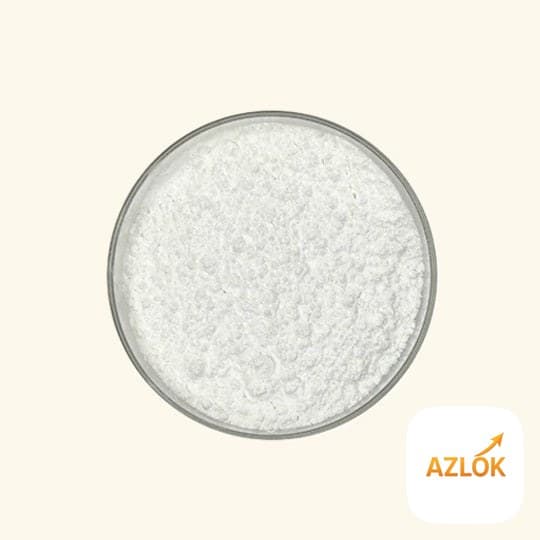
Allantoin Powder: The Quiet Soothing Ingredient Behind Calm, Comfortable Skin

Allantoin is a white, water-soluble cosmetic powder valued for calming, softening and protecting the skin. In simple terms, it is a gentle, non-irritating active you add in tiny amounts to creams, lotions, serums and after-sun gels to make them feel soothing and comfortable, especially for sensitive skin.
What is allantoin?
Allantoin (INCI name: Allantoin; CAS 97-59-6) is a diureide of glyoxylic acid, also known as glyoxyldiureide or 5-ureidohydantoin. It occurs naturally in many plants and organisms and is even a normal part of the human diet. The cosmetic-grade powder sold by Azlok is produced through a synthetic condensation of urea and glycolic acid, giving a consistent, high-purity material (around 99%) with a mild odour and a slightly acidic pH of about 4.89.
Because it is nature-identical and well tolerated, allantoin is a workhorse in modern skincare. You will find it listed on the labels of moisturisers, sunscreens, lip balms, shaving products, baby lotions and anti-ageing serums.
What allantoin does for skin
- Soothes and calms: It helps reduce the feeling of irritation, making formulas kinder to sensitive, reactive or freshly shaved skin.
- Softens rough skin: Allantoin is a mild keratolytic, meaning it gently supports the shedding of dead surface cells, leaving skin smoother.
- Supports skin comfort after stress: It is popular in after-sun and post-shave products where skin needs a settling ingredient.
- Boosts moisturisation: Used alongside humectants and oils, it helps products feel more hydrating.
Allantoin is often described as helping with the look of acne marks and uneven tone over time. Keep expectations realistic: it is a supportive, comforting ingredient, not a medical treatment, and results depend on the whole formula and consistent use.
How to use allantoin in your formulations
A little goes a long way. Typical usage sits between 0.1% and 2% of the total formula, with most products landing around 0.5%. Going higher does not improve performance and can cause the powder to recrystallise out of the product.
- Weigh your ingredients accurately using a digital scale. For 100 g of cream at 0.5%, that is just 0.5 g of allantoin.
- Since allantoin is water-soluble, add it to the water phase of your formula.
- Warm the water phase gently (around 70-75°C) and stir until the powder fully dissolves and the liquid turns clear.
- Continue with your usual emulsification and cooling steps.
- Always include a suitable preservative in any product that contains water.
It works well in lotions, gel moisturisers, toners, face masks, cleansers, hand creams and lip care. Its mild acidity blends comfortably with most common cosmetic bases.
Safety and precautions
Allantoin is regarded as one of the gentler cosmetic ingredients, but treat it responsibly like any raw material.
- It is meant for external use only. Do not ingest it.
- Avoid direct contact with the eyes, and rinse thoroughly with water if contact happens.
- Keep the powder away from children and pets.
- Work in a clean, ventilated space and avoid inhaling fine powder while weighing.
- Stick to recommended usage rates to prevent recrystallisation in the finished product.
- Patch-test any new finished product on your inner arm before wider use.
- Refer to the product COA and MSDS for full technical and handling details.
Buying and storage tips
Azlok offers allantoin powder from 100 g packs suited to home makers all the way up to 20 kg for small businesses, starting at ₹249. For hobby projects, a 100 g pack lasts a long time because usage rates are so low.
- Store cool and dry: Keep the powder in an airtight container, away from moisture, heat and direct sunlight.
- Shelf life: Around 24 months when stored properly. Label the container with the opening date.
- Check the basics: Good material is white, has a mild odour and dissolves cleanly in warm water.
- Always keep it sealed after use to avoid clumping from humidity.
FAQ
Is allantoin safe for sensitive skin?
Yes. Allantoin is widely used precisely because it is non-irritating and skin-calming, which is why it appears in many products made for sensitive and baby skin. Still, patch-test your finished formula first.
How much allantoin should I add to a cream?
Between 0.1% and 2% of the total weight, with about 0.5% being a common, reliable choice. Adding more than 2% risks the powder crystallising out.
Is allantoin natural or synthetic?
Allantoin occurs naturally in plants and the body. The cosmetic-grade powder is usually nature-identical, made by condensing urea and glycolic acid, which gives a pure, consistent result.
Can I use allantoin directly on my skin?
It is best used dissolved within a properly balanced formula rather than applied as a raw powder. Add it to the water phase of your product for even, comfortable results.
Does allantoin dissolve in oil?
No. Allantoin is water-soluble, so it belongs in the water phase of a formulation, not the oil phase.