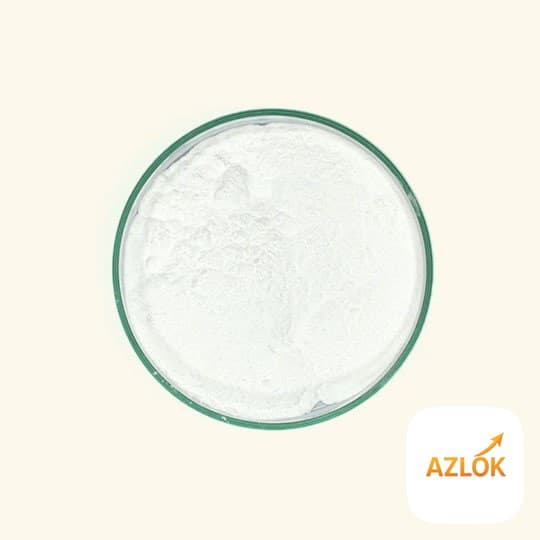

Arrowroot powder is a fine, white, plant-based starch made from the roots of the arrowroot plant (Maranta arundinacea). It works as a gentle, flavourless thickener in the kitchen and as a soothing, oil-absorbing base in homemade skincare. Azlok's arrowroot powder is edible/cosmetic grade with no preservatives, so the same tin can move from your pantry to your DIY table.
What arrowroot powder is used for
This is one of those quietly useful ingredients that earns its place in both the kitchen and the bathroom shelf. Because it is a pure starch, it is neutral in taste and colour, which makes it flexible.
- Thickening sauces, gravies and soups — it produces a clear, glossy finish rather than a cloudy one.
- Gluten-free baking — used alongside other flours to lighten texture and bind.
- Fruit fillings and puddings — sets custards, kheer-style desserts and pie fillings smoothly.
- DIY cosmetics — the INCI name is Maranta Arundinacea; it is popular in loose powders, dry shampoos, deodorant blends and body powders for its absorbent, skin-friendly feel.
- Softening natural blends — added to face masks and scrubs to reduce grittiness and soothe the skin.
How to use it in cooking
Arrowroot thickens at a lower temperature than most starches and does not need long cooking. The trick is to avoid lumps and overheating.
- Make a slurry: mix the powder with a little cold water first (roughly one part powder to two parts water).
- Stir the slurry into your hot dish near the end of cooking.
- Heat gently until it turns glossy and thickens — usually within a minute or two.
- Do not boil hard for long, as arrowroot can thin out again if overcooked.
As a rough guide, one to two teaspoons thickens about a cup of liquid. It is a handy one-to-one style swap for cornflour in many recipes. One caveat: arrowroot does not hold up well in dairy-heavy sauces, where it can turn slimy, so cornstarch may suit those better.
How to use it in skincare
In homemade cosmetics, arrowroot powder is prized for absorbing excess oil and sweat while feeling silky rather than chalky. A few simple ways to use it:
- Body and face powder: use it plain, or blend with a little kaolin clay for extra oil control.
- Natural dry shampoo: dust a small amount at the roots to freshen up hair between washes.
- Deodorant base: combine with baking soda and a carrier oil or butter for a homemade balm.
- Mask booster: stir a pinch into clay or besan masks to soften the mix on the skin.
Always do a patch test on your inner forearm before applying any new blend to your face or underarms, and keep the powder away from your eyes and airways while mixing.
Safety and honest notes
Arrowroot is a gentle, food-grade starch, but a few sensible points apply:
- It is fine and airborne — mix in a still area to avoid inhaling the dust, and keep it away from young children.
- Store any DIY skincare you make without preservatives in a clean, dry container and use it up quickly.
- Diabetics should remember arrowroot is a carbohydrate and count it like any other starch.
- We make no medical claims — arrowroot soothes and absorbs, but it is not a treatment for any condition.
Buying and storage tips
Look for a bright white, ultra-fine powder with no musty smell — that signals good, dry stock. Azlok offers arrowroot powder from 100 gm right up to 20 kg, so home cooks and small skincare or food businesses can both buy the right quantity. The 100 gm pack starts at ₹149, which is a low-risk way to try it before scaling up.
To keep it fresh through its two-year shelf life:
- Store in an airtight container away from moisture — starch clumps easily if it draws in humidity.
- Keep it in a cool, dark cupboard, not near the stove.
- Use a dry spoon every time; even a little water can spoil the whole batch.
FAQ
Is arrowroot powder the same as cornflour?
No. Both are starch thickeners, but arrowroot comes from the arrowroot root while cornflour comes from maize. Arrowroot gives a clearer finish and thickens at a lower heat, though cornflour handles dairy sauces better.
Is Azlok arrowroot powder gluten-free?
Yes, arrowroot is a pure starch and is naturally gluten-free, which is why it is popular in gluten-free baking. If you have a serious allergy, always check the pack details for your batch.
Can I use the same powder for cooking and skincare?
Azlok arrowroot powder is edible/cosmetic grade, so it suits both. Keep separate clean scoops and containers to avoid cross-contamination.
How much arrowroot do I need to thicken a sauce?
Start with one to two teaspoons per cup of liquid, mixed into a cold-water slurry first. Add near the end of cooking and warm gently until glossy.
How long does arrowroot powder last?
Around two years when stored airtight in a cool, dry place. Moisture is its main enemy, so always use a dry spoon.