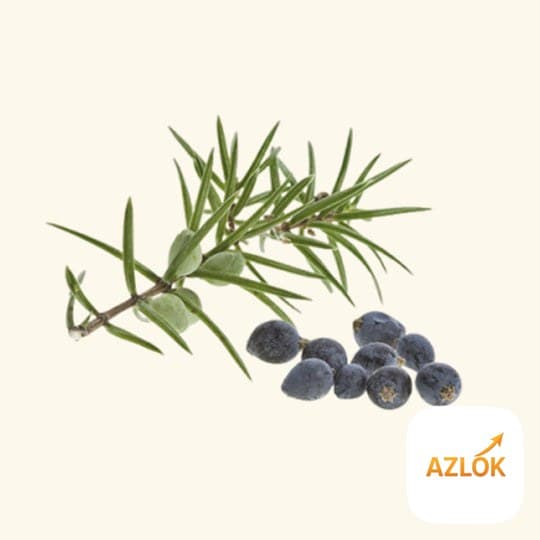

Cade essential oil is a dark, smoky-smelling oil traditionally derived from the wood of the prickly juniper tree, prized for its distinctive tarry, campfire-like aroma. It is used mainly in soap making, natural skincare and hair care, perfumery and fragrance blends, where a smoky, leathery note is wanted. Azlok Cade Essential Oil is offered in sizes from a small 10 gm bottle up to 20 KG bulk packs, so both hobbyists and small businesses can buy what they need.
What is Cade essential oil?
Cade oil comes from the wood and branches of the juniper species commonly called cade or prickly juniper. It has a deep, rich scent that people often describe as smoky, woody and slightly tar-like — think of a wood fire, dry leather or birch tar. Because of that bold character, it is used sparingly and usually blended with other oils rather than on its own.
Common uses
- Soap and shampoo bars: A few drops add a rustic, smoky-woody scent that pairs well with pine, cedarwood and vetiver. It is a favourite in men's grooming and outdoorsy soap ranges.
- Hair and scalp care: Cade has a long folk history in scalp preparations. In modern DIY, it is added in tiny amounts to hair oils and rinses for its earthy fragrance.
- Perfume and fragrance blends: It works as a base note, lending a leathery, incense-like depth to natural perfumes and beard oils.
- Candles and room products: Blended with fragrance oils, it gives a cosy, wood-smoke atmosphere.
- Aromatherapy blends: Used in grounding, earthy diffuser mixes, again in very small quantities.
How to use it
Cade is potent and its scent can dominate a blend, so restraint is the golden rule.
- Always dilute. For skin applications, keep the total essential oil concentration low — generally around 1% in a carrier oil such as coconut, jojoba or sweet almond. That is roughly 5 to 6 drops of essential oil per 30 ml of carrier, and cade should be only a fraction of that.
- Patch test first. Apply a small diluted amount to the inner forearm and wait 24 hours to check for any redness or irritation before wider use.
- Blend thoughtfully. Start with a single drop and build up. It layers nicely with cedarwood, pine, patchouli, vetiver and citrus.
- For soap, add it at trace along with your other scents, and cure the soap as usual. Note that dark oils can tint pale soap.
Safety notes
Treat cade oil with the same care you would any concentrated essential oil.
- Do not apply it neat (undiluted) to the skin.
- Do not ingest it. Essential oils are for external and aromatic use only.
- Keep out of reach of children and pets.
- Avoid contact with eyes and mucous membranes.
- If you are pregnant, nursing, or managing a skin condition, consult a qualified practitioner before use.
- The colour of cade oil is naturally dark and can stain fabrics and light surfaces, so handle carefully.
Buying and storage tips
When buying cade oil, choose a size that matches how quickly you will use it — a 10 gm bottle is plenty for occasional DIY, while the larger 500 gm, 1 KG and bulk packs suit soap makers and small brands. Azlok supplies it steam-processed for consistency and offers this range of pack sizes for personal and bulk needs.
- Store in a tightly closed, amber or dark glass bottle away from direct sunlight.
- Keep it in a cool, dry place; heat and light degrade essential oils over time.
- Close the cap firmly after each use to reduce oxidation.
- Label the bottle with the purchase or opening date so you can track freshness.
Used sparingly and blended well, cade brings a warm, smoky character that few other oils can match — a small bottle goes a very long way.
FAQ
What does Cade essential oil smell like?
It has a strong, smoky, woody and slightly tar-like aroma, often compared to a wood fire or leather. It is bold, so a little is enough in any blend.
Can I apply Cade oil directly to my skin?
No. Always dilute it in a carrier oil to a low concentration (around 1% total essential oil) and do a 24-hour patch test before using it on your skin.
What does Cade essential oil blend well with?
It combines nicely with cedarwood, pine, vetiver, patchouli and citrus oils, making it popular in men's soaps, beard oils and grounding aromatherapy mixes.
Why is Cade oil so dark in colour?
The dark colour is natural to cade oil, which comes from juniper wood. Because it can stain, handle it carefully and expect it to tint pale soap or fabric.
Which size should I buy?
For home DIY and testing, the 10 gm or 100 gm size is ideal. Soap makers and small businesses may prefer the 500 gm, 1 KG or larger bulk packs for better value.