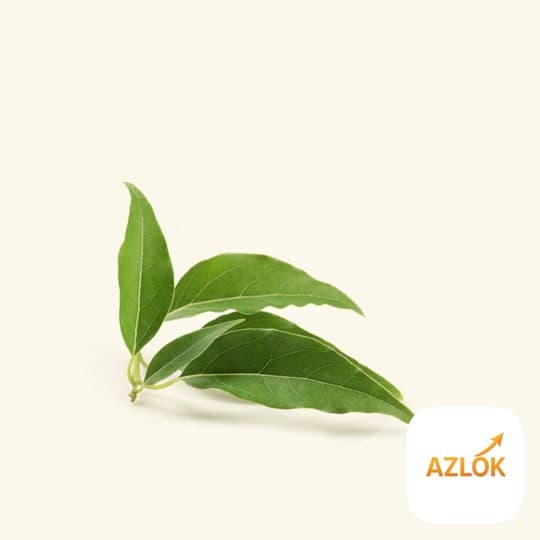

Camphor essential oil is a clear, cooling oil steam-distilled from the wood of the camphor tree (Cinnamomum camphora). It is valued for its crisp, minty-floral aroma and is used mainly in DIY beauty formulations, homemade cleaning products, candles and diffuser blends — always diluted, and never taken internally.
Azlok's camphor essential oil is produced in India through steam distillation, giving a thin, pale yellow to greenish-yellow liquid with a strong, refreshing scent. Below is a straightforward look at what it is, how to use it, and how to store and handle it properly.
What is camphor essential oil?
This oil is extracted from camphor wood, with the volatile aromatic compounds captured through steam distillation. The result is a thin liquid that is soluble in alcohol and fixed (carrier) oils but not in water. A few quick specifications worth knowing:
- Botanical name: Cinnamomum camphora
- CAS No: 8008-51-3
- Form: thin liquid, pale to greenish yellow
- Aroma: strong, floral with a hint of mint
- Shelf life: around 2 years when stored well
- Origin: India
Common uses
Camphor oil is a fragrance and formulation ingredient rather than a food product. Popular ways makers and hobbyists use it include:
- DIY skincare: a tiny amount added to lotions, balms or massage blends for its cooling, refreshing feel.
- Soap and candle making: as a scent component in cold-process soaps, melts and candles.
- Room fragrance: a few drops in a diffuser or in homemade reed diffuser bases.
- Household cleaners: blended into natural surface sprays for a clean, camphoraceous smell.
- Massage oil blends: combined with carrier oils for a warming-then-cooling sensation many people enjoy.
How to use it (dilution guide)
Camphor is potent, so a little goes a long way. Always dilute before any contact with skin.
- Choose a carrier: coconut, sweet almond, sesame or any fixed oil works well.
- Keep it low: a 1–2% dilution is typical for topical blends. That is roughly 6–12 drops per 30 ml of carrier oil.
- Patch-test first: apply the diluted blend to a small area of the inner arm and wait 24 hours before wider use.
- For diffusers: add 3–5 drops to water as per your diffuser's instructions, in a ventilated room.
- For soap and candles: follow your recipe's recommended fragrance load and test small batches.
Safety notes
Camphor deserves respect. Please keep these points in mind:
- Do not ingest. This oil is for external and fragrance use only.
- Always dilute before skin contact; never apply neat.
- Keep away from children and pets, and store out of their reach.
- Avoid on broken or irritated skin, and near the eyes.
- Ventilate when diffusing, and stop if you feel any discomfort.
- If you are pregnant, breastfeeding, epileptic, or managing a health condition, consult a doctor before use.
- It has a high flash point (>200°C) but is still a concentrated oil — keep it away from open flames during handling.
Buying and storage tips
Azlok offers camphor essential oil in sizes ranging from 100 GM up to 25 KG, so home hobbyists and small businesses can both buy sensibly. Starting at ₹299, smaller packs are ideal if you are testing a recipe before scaling up.
- Store cool and dark: keep the bottle tightly closed, away from sunlight and heat.
- Use within about 2 years for the best aroma and quality.
- Label your blends with the date and dilution so you can repeat what works.
- Buy the size you will realistically use — essential oils lose their punch once opened and exposed to air over time.
FAQ
Can I apply camphor essential oil directly to my skin?
No. Always dilute it in a carrier oil to about 1–2% and patch-test first. Applying it undiluted can irritate the skin.
Is camphor essential oil safe to swallow?
No. It is meant for external and fragrance use only and should never be ingested. Keep it well out of reach of children.
What does it smell like?
It has a strong, crisp aroma that is floral with a distinct minty, cooling edge — the classic camphoraceous scent.
Can I use it in soap and candles?
Yes. It is soluble in alcohol and fixed oils and works as a fragrance component. Test a small batch first to check how it behaves in your recipe.
How long does it last?
Roughly two years when stored in a cool, dark place with the cap tightly closed. Exposure to heat, light and air will shorten this.