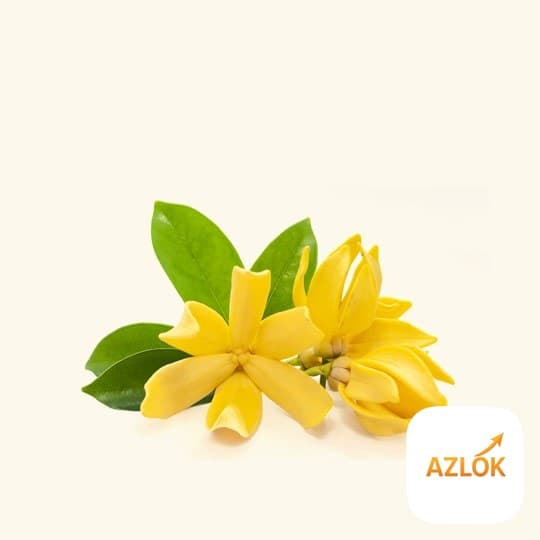

Champaca essential oil is a floral oil steam-distilled from the flowers and leaves of the Michelia alba plant, prized for its warm, complex aroma that carries both sweet floral and dark citrus notes. It is used mainly in perfumery, aromatherapy blends and diluted massage oils, and a little goes a long way because the scent is strong and long-lasting.
What Champaca Essential Oil Smells Like
The odour is often described as a rich, heady floral with a citrus edge — sometimes compared to frangipani or champak flowers you may know from Indian gardens and temples. It is a thin, light-orange liquid with a characteristic scent that lingers, which is exactly why perfumers reach for it. In a blend, it adds depth and a lush middle note rather than a sharp top note.
Common Uses
- Perfumery: A classic ingredient in floral and oriental accords. It pairs beautifully with lemon, cedarwood, clove, cistus and coriander essential oils to build fascinating, layered scents.
- Aromatherapy: Added to a diffuser, its soothing aroma is popular for creating a calm, pleasant atmosphere at home.
- Massage blends: When properly diluted in a carrier oil, it is used in massage to help relax tired muscles and joints while leaving a beautiful scent on the skin.
- Cosmetic formulations: Small businesses and DIY makers use it to fragrance natural creams, lotions and bath products.
How to Use It Safely
Champaca is a concentrated essential oil, so it should always be diluted before it touches your skin. As a general guide, use around 1–2 drops of essential oil per 10 ml of carrier oil (such as coconut, jojoba or sweet almond) for body use, and a lower concentration for the face.
- Patch test first. Apply a small amount of your diluted blend to the inner forearm and wait 24 hours to check for any reaction.
- Dilute for skin. Never apply neat oil directly to skin.
- Diffuse in moderation. A few drops in a diffuser with water is plenty for a room.
- Keep it away from eyes and wash hands after handling.
A few honest safety notes: this is a fragrance and aromatherapy product, not a medicine. Do not ingest it, keep it out of reach of children and pets, and if you are pregnant, nursing or managing a health condition, check with a qualified practitioner before use. Its flash point is above 180°C, but like all essential oils it should still be stored away from open flames.
Blending Ideas
Because Champaca is soluble in alcohol and mixes with all types of carrier oils, it is versatile in formulation. For a fresh, uplifting blend, combine it with lemon and coriander. For something warmer and more grounding, pair it with cedarwood, clove or cistus. Start with the smallest amount — its aroma dominates quickly.
Buying and Storage Tips
Azlok offers Champaca essential oil in sizes from 50 gm up to 10 kg, so you can pick a small bottle to experiment with or bulk quantities for a soap, candle or perfume business. Prices start at ₹499. When buying any essential oil, look at the botanical name (here, Michelia alba) so you know exactly what you are getting.
- Store in a cool, dark place away from direct sunlight and heat.
- Keep the cap tightly closed to slow evaporation and oxidation.
- Use dark glass or the original packaging where possible.
- With proper storage, the shelf life is around 2 years.
FAQ
What is Champaca essential oil used for?
It is mainly used in perfumery for its rich floral-citrus aroma, in aromatherapy diffusers for a soothing atmosphere, and in diluted massage and cosmetic blends.
Can I apply Champaca oil directly to my skin?
No. Always dilute it in a carrier oil such as coconut, jojoba or almond, and do a patch test before using it on your body.
What scents blend well with Champaca?
It blends well with lemon, cedarwood, clove, cistus and coriander essential oils, and works with all types of carrier oils.
Is Champaca the same as frangipani or champak?
Champaca is also known by alternative names such as champa, champak, sapu and frangipani, and comes from the flowers and leaves of the Michelia alba plant.
How long does Champaca essential oil last?
When stored in a cool, dark place with the cap tightly closed, it has a shelf life of about 2 years.