Citric Acid Powder: A DIY Maker's Guide to Uses, Bath Bombs and Safe Handling

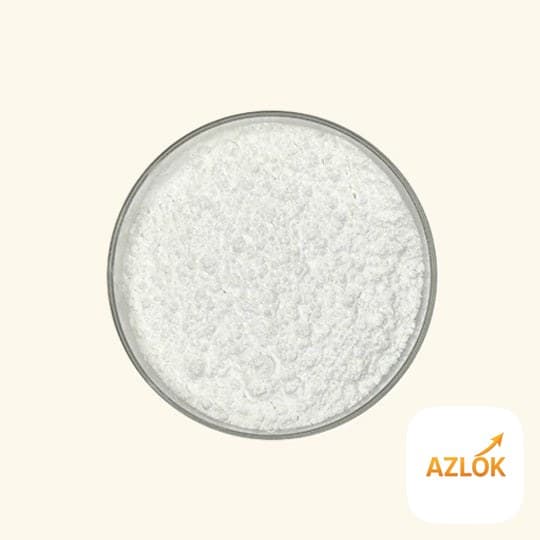
Citric acid powder is a white, odourless, water-soluble crystal from the AHA (alpha hydroxy acid) family, used in DIY cosmetics and cleaning as a natural pH adjuster, chelating agent and the fizz-making partner for baking soda in bath bombs. Azlok's citric acid powder is a 99% pure, technical-grade product made in India through submerged fermentation, and it is meant for external and household use only.
What is citric acid powder?
Citric acid is an organic acid (chemical formula C6H8O7) found naturally in citrus fruits like lemon, lime and orange. For commercial supply it is produced by fermenting carbohydrates, then purified into a fine crystal powder. It is mildly acidic, with a pH of roughly 3 to 6 in solution, and dissolves easily in water. Because it is a tricarboxylic acid, it works well as a buffering and chelating (metal-binding) agent, which is why formulators reach for it so often.
Common uses in DIY and home formulation
- Bath bombs and fizzers: Combined with sodium bicarbonate, citric acid creates the classic fizzing reaction when the product hits water.
- pH adjusting: A pinch dissolved in water lowers the pH of lotions, toners, shampoos and surfactant blends to skin-friendly levels.
- Chelating agent: It binds hard-water minerals, helping preserve colour, clarity and shelf life in cosmetic bases.
- Haircare and bathing products: Used in small amounts in rinses, shampoos and bath products to balance formulas and improve feel.
- Household cleaning: Excellent for descaling kettles, coffee makers, taps and bathroom surfaces, and for cutting through limescale.
How to use it
The right method depends on your project. A few practical pointers:
- For bath bombs: Use roughly a 2:1 ratio of baking soda to citric acid by weight. Sieve both to remove lumps, add colour and a light spritz of witch hazel or oil to bind, then press firmly into moulds and let them cure.
- For pH correction: Make a 10% solution (10 g powder in 90 g distilled water) and add it drop by drop to your formula, checking with pH strips as you go. Small changes make a big difference.
- For cleaning: Dissolve one to two tablespoons in warm water, pour into the appliance or onto the surface, leave for 15–30 minutes, then rinse well.
Safety and honest cautions
Citric acid is generally easy to work with, but treat it with respect:
- This is a technical-grade product for external and household use only. Do not ingest it and do not use it as a food ingredient.
- Avoid contact with eyes; the fine powder and acidic solutions can sting. Rinse thoroughly with water if contact occurs.
- As an AHA, it can be irritating on skin at higher strengths. Patch-test any leave-on formula, keep concentrations low, and do not use if you have broken skin or a skin ailment.
- Work in a well-ventilated area to avoid inhaling airborne powder, and wear gloves when handling large quantities.
- Keep the container tightly closed and out of reach of children and pets.
Buying and storage tips
Azlok offers citric acid powder in packs from 100 g up to 20 kg, so you can buy a small quantity to test a recipe or bulk sizes for regular production. Prices start at ₹189. When choosing a pack, match it to how quickly you will use it, since fresh powder performs best.
Store it in a cool, dry place in an airtight container, away from direct sunlight and moisture. Citric acid is hygroscopic, meaning it draws water from the air and can clump if left open. Kept sealed and dry, it has a shelf life of about 24 months. If it does harden, a quick sieve or a break-up with a spoon usually restores it.
FAQ
Can I use Azlok citric acid powder in food or drinks?
No. This is a technical-grade product intended for external cosmetic and household use only. Do not ingest it or add it to food.
What is the citric acid to baking soda ratio for bath bombs?
A common starting point is two parts baking soda to one part citric acid by weight. You can adjust slightly depending on the fizz and hardness you want.
Is citric acid safe on skin?
In low concentrations and correctly balanced formulas, most people tolerate it well. Because it is an AHA, always patch-test, keep the amount small, and avoid use on broken or irritated skin.
Why does my citric acid powder clump?
It absorbs moisture from the air. Store it in an airtight container in a dry place, and sieve before use if it hardens.
Can it be used for cleaning?
Yes. Dissolved in warm water it works well to descale kettles, coffee machines, taps and bathroom fittings, and to remove limescale.