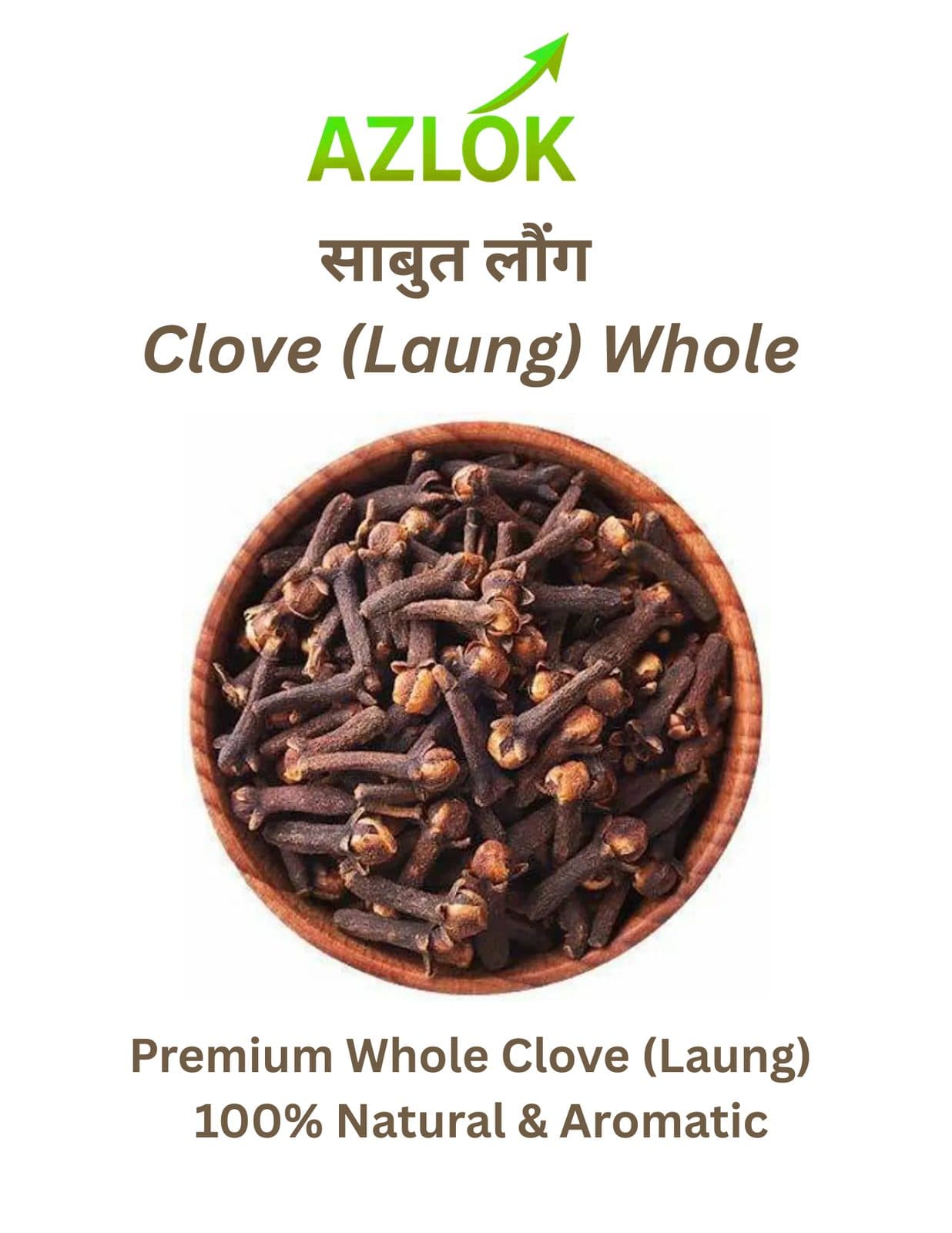
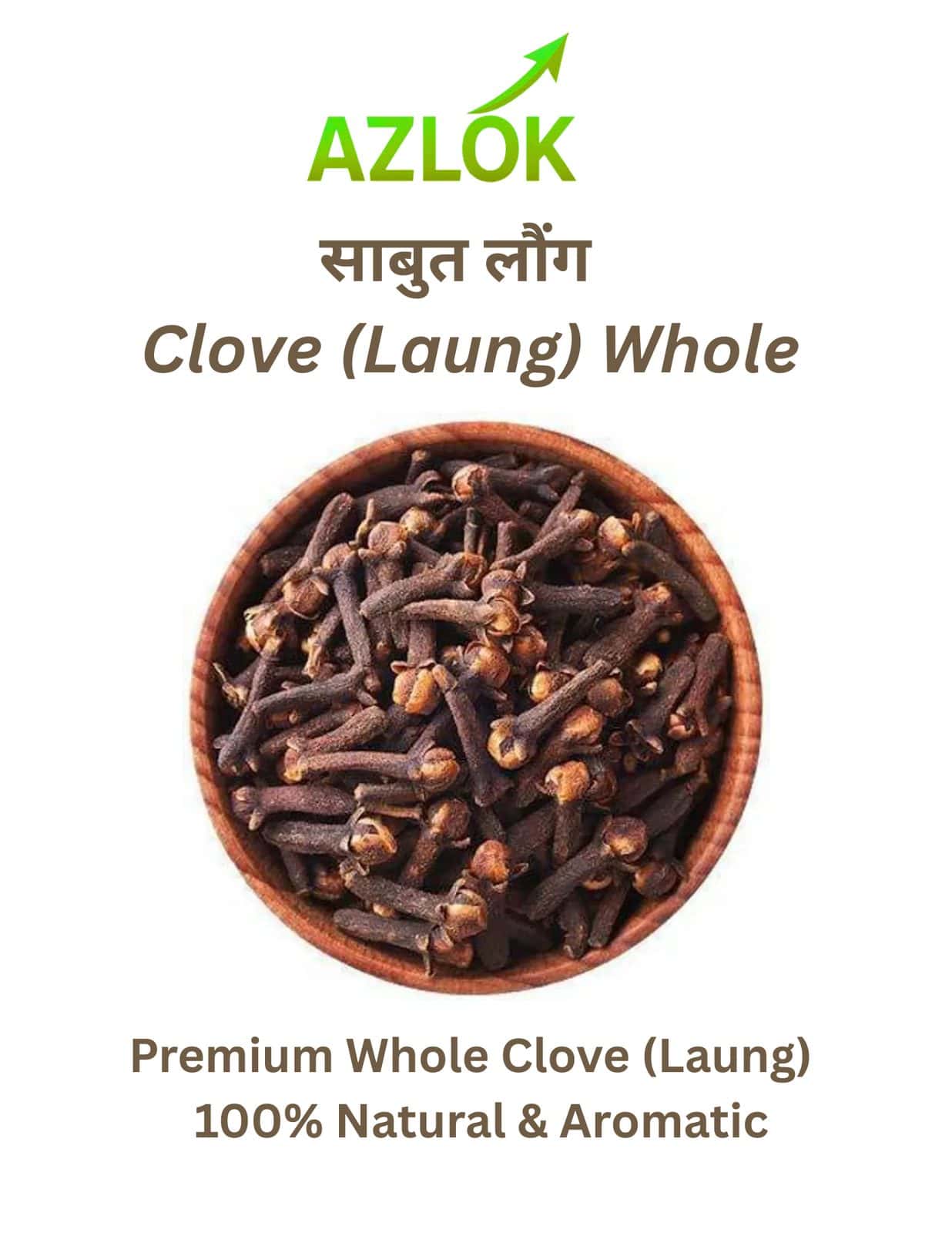
Cloves (Syzygium aromaticum) are dried flower buds, and gram for gram they are among the most powerful spices you own. Bite one and your tongue goes briefly numb — that's eugenol, which can make up 70–90% of clove's essential oil and explains both its warm, medicinal flavour and its old role as a dental first-aid.
Because they're so concentrated, the skill with cloves is restraint.
The chemistry in one word: eugenol
Eugenol is a natural anaesthetic and antiseptic. It's why dentists historically used clove oil, why cloves are studied for antibacterial activity, and why a single bud flavours a whole pot of pulao. It is potent enough that clove oil should never be used neat in large amounts.
Cooking with whole cloves
- Bloom 2–4 whole cloves in hot oil/ghee at the start of biryani, pulao and rich curries — the heat releases the oils.
- Add to garam masala, chai masala, and pickling spice.
- Stud an onion with cloves for slow-cooked stocks and stews.
- Remember to fish out whole cloves before serving, or warn diners — biting one whole is intense.
The toothache remedy — done right
The traditional fix is real but limited: press a single whole clove (or a drop of clove oil on a cotton bud) against the sore tooth for temporary relief from the eugenol's numbing action. It is a stopgap for the journey to the dentist, not a cure — an aching tooth needs proper treatment.
Buying and storing
Good laung is plump, oily and dark brown with the round head intact; dry, shrivelled, headless cloves are old. Keep them whole in an airtight jar — whole cloves stay potent for a year or more, while ground clove loses its punch in weeks.
Frequently Asked Questions
Why are cloves so strong?
Their essential oil is mostly eugenol — a potent aromatic and natural anaesthetic. That single compound gives cloves their warmth, their numbing bite and their antibacterial reputation, so a little goes a long way.
How do you use cloves for toothache?
Press one whole clove (or a drop of clove oil on cotton) against the painful tooth for temporary numbing relief. It's a short-term stopgap — see a dentist for the underlying problem.
How many cloves should I add to cooking?
Usually just 2–4 whole cloves for a family-sized pot. They're concentrated, so over-adding turns a dish bitter and medicinal.
Whole cloves or ground — which is better?
Buy whole and grind as needed. Whole cloves keep their eugenol for a year or more; pre-ground clove fades within weeks.
Azlok Laung (Cloves) are whole, oil-rich buds with the heads intact — for biryani, chai masala, pickling and the classic toothache stopgap. Store them whole and sealed.