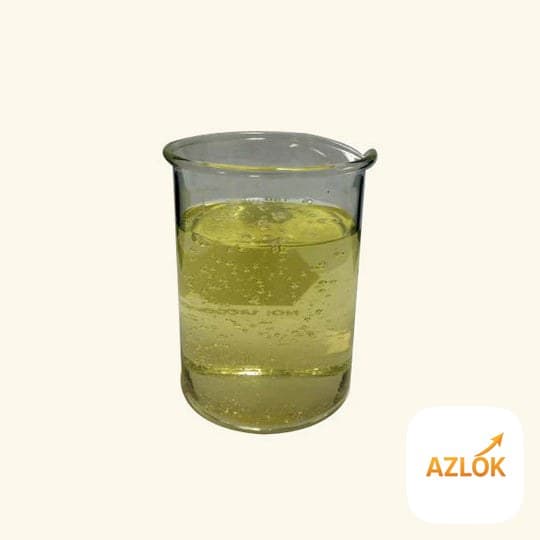

Decyl Glucoside is a mild, plant-derived surfactant used to create foam and cleansing action in shampoos, face washes, body washes and bubble baths. It is one of the gentlest cleansing agents available to formulators, which is why it is a favourite for baby products, sensitive-skin cleansers and sulphate-free recipes.
If you make your own cosmetics or run a small skincare brand, this is one of the first surfactants worth learning to work with. It is derived from corn glucose and fatty alcohols from coconut and/or palm oil, so it is a good fit for natural and vegetable-based formulations.
What is Decyl Glucoside?
Decyl Glucoside (INCI name: Decyl Glucoside, CAS 54549-25-6) belongs to the alkyl polyglucoside family of non-ionic surfactants. It is produced by combining fatty alcohols from coconut or palm oil with glucose. The result is a clear-to-light-yellow gel that cleans effectively without stripping the skin of its natural oils.
A few useful numbers from the specifications: it has an HLB value of around 15, a purity of 100%, and it is fully water-soluble. On its own it is alkaline, with a pH near 11.76, so recipes are almost always adjusted down to a skin-friendly range with a mild acid such as citric acid.
Common uses
- Shampoos and sulphate-free hair cleansers — for gentle lather that suits colour-treated and dry hair.
- Face washes and cleansing gels — pairs well with soothing extracts and humectants.
- Body washes and shower gels — creates soft, stable foam.
- Baby washes and bubble baths — valued for its mildness.
- Hand washes and household cleansers — thanks to its strong foaming and cleaning properties.
It also works well as a secondary or co-surfactant, boosting foam and softening the feel of stronger primary surfactants.
How to use it in a formulation
Decyl Glucoside is easy to work with because it blends readily into water-based recipes. A typical approach:
- Weigh your ingredients rather than measuring by volume for consistent results.
- Add Decyl Glucoside to your water phase at a usage level that suits the product — commonly around 5–20% depending on how much foam and cleansing you want. Rinse-off products can go higher, leave-on and very gentle products lower.
- Stir gently to avoid whipping in too many air bubbles.
- Adjust the pH down to roughly 4.5–5.5 for skin and 5.5–6.5 for hair using a citric acid solution. This step is essential because the raw ingredient is alkaline.
- Add a suitable broad-spectrum preservative to any water-containing product, plus your fragrance and actives last.
Because it is a natural surfactant, it thickens differently from sulphates. If you need a thicker gel, combine it with a co-surfactant or a compatible thickener and test in small batches first.
Safety and handling
Decyl Glucoside is considered a gentle ingredient, but it is a raw cosmetic material and should be handled with care:
- The concentrate is alkaline. Avoid direct contact with eyes and wear gloves when handling neat material; rinse with water if it splashes on skin.
- Always adjust and check the pH of your finished product before use or sale.
- Do not ingest. Keep away from children and pets.
- Patch-test any new formulation on a small area before regular use.
- Store away from heat and open flame, and work in a well-ventilated area.
- This is an industrial-grade raw material intended for formulation, not for applying undiluted to skin.
Buying and storage
Azlok stocks Decyl Glucoside from 100 g trial packs up to 25 KG for regular production, so you can start small and scale as your recipes settle. Prices begin at ₹199, and the product has a shelf life of about 24 months when stored correctly.
Keep it in a tightly closed container away from direct sunlight, moisture and extreme heat. The gel can thicken or turn slightly cloudy in cold weather; gently warming it usually restores its normal texture. Always ask for the COA and MSDS for your batch so you have accurate documentation for your formulations.
FAQ
Is Decyl Glucoside safe for sensitive skin?
It is one of the mildest surfactants available and is widely used in baby and sensitive-skin products. Still, adjust the pH of your finished formula and patch-test before regular use.
What is the ideal usage percentage?
Most rinse-off products use around 5–20%, depending on the foam and cleansing you want. Start at the lower end and adjust in small test batches.
Why do I need to adjust the pH?
The raw ingredient is alkaline (around pH 11.76). Lowering the pH to a skin- or hair-friendly range with citric acid makes the finished product comfortable to use.
Is it sulphate-free and plant-based?
Yes. It contains no sulphates and is made from glucose and fatty alcohols derived from coconut and/or palm oil, making it suitable for natural and vegetable-based recipes.
Does it thicken like normal shampoo bases?
Not on its own. It thickens differently from sulphates, so you may need a co-surfactant or compatible thickener to reach the consistency you want.