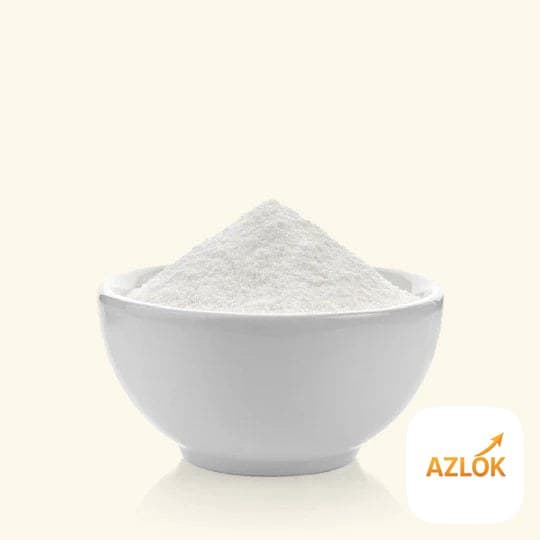
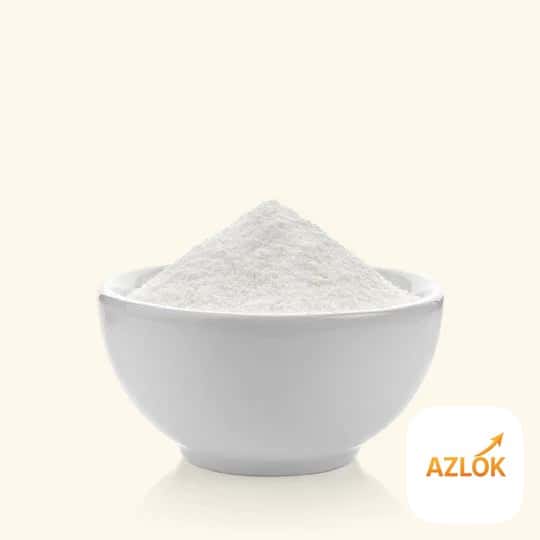
Ethyl vanillin is a white, sweet-smelling powder that gives a strong, creamy vanilla note, and it is roughly three to four times more potent than ordinary vanillin. That means you use very little to get a rich vanilla aroma and flavour, which makes it a favourite ingredient among bakers, perfumers and candle makers. Its chemical formula is C9H10O3 and its CAS number is 121-32-4.
What is ethyl vanillin?
Ethyl vanillin is a synthetic derivative of vanillin, the compound naturally responsible for the taste and smell of vanilla beans. Because it is manufactured, it offers a consistent, affordable and readily available way to add a warm vanilla character without depending on the price and variability of natural vanilla pods. The scent is described as deeper and more rounded than vanillin, with a slightly softer, more "cottony" sweetness.
Common uses
- Food and beverages: a flavouring agent in biscuits, cakes, chocolates, ice cream, custards, syrups and confectionery.
- Perfumery and fragrance: a base note that adds warmth, sweetness and a gourmand feel to perfumes, attars and body products.
- Candle making: blended into fragrance formulations to lend a cosy vanilla background.
- Cosmetics and soaps: used in small amounts to scent lotions, balms, melt-and-pour soaps and creams.
- Aromatherapy blends: as a comforting sweet accent alongside spices, woods and florals.
How to use it
A little goes a long way. Because ethyl vanillin is so concentrated, start with a tiny quantity and adjust to taste or scent strength.
- In baking: dissolve a small pinch in a little warm milk, cream or the fat portion of your recipe so it disperses evenly. It is fat- and alcohol-soluble but only slightly water-soluble.
- In perfume and cosmetics: pre-dissolve the powder in a suitable carrier such as perfumer's alcohol, propylene glycol or a warm oil base before adding to your blend.
- In candles and soaps: incorporate it into your fragrance oil or the melted base, keeping within the recommended fragrance load for your wax or soap type.
Always follow the usage limits appropriate to your application. For food, keep to typical culinary flavouring levels; for leave-on cosmetics and perfumes, follow standard fragrance dosage guidance.
Tips and safety
- Ethyl vanillin is a fine powder, so measure it in a draught-free spot and avoid breathing in the dust. Work in a well-ventilated area.
- Overdosing gives a harsh, medicinal or plastic-like edge rather than a sweeter result, so restraint improves the outcome.
- For cosmetics, do a small patch test on skin before using a new blend, as any fragrance material can occasionally cause sensitivity.
- Only food-grade material intended for consumption should be used in edibles. If you are buying it for candles, soap or perfume, treat it as a fragrance raw material and do not ingest it.
- Keep away from children and pets, and store it clearly labelled and separate from unrelated chemicals.
- Request the COA and MSDS for details relevant to your intended use.
Buying and storage
Azlok offers ethyl vanillin in sizes from a handy 50 gm pack up to bulk 20 kg quantities, so hobbyists and small businesses can both find a suitable option. Pricing starts at ₹299. The product is made in India and comes as a white powder with a stated shelf life of 12 months.
To keep it fresh, store the powder in an airtight container away from heat, moisture, and direct sunlight. Exposure to air and humidity can cause clumping and gradual loss of aroma, so reseal the pack tightly after each use and keep a small scoop dedicated to it. Buying a smaller pack first lets you test how it behaves in your recipe or blend before committing to bulk.
FAQ
Is ethyl vanillin the same as vanillin?
No. Both give a vanilla note, but ethyl vanillin is a related synthetic compound that is significantly stronger, so you need less of it to achieve a similar intensity.
How much ethyl vanillin should I use?
Because it is very concentrated, begin with a tiny pinch and increase gradually. Using too much creates a harsh, chemical taste or smell rather than a sweeter one.
Does it dissolve in water?
It is only slightly soluble in water but dissolves well in alcohol, fats and oils. Pre-dissolve it in one of these before mixing into your product for even distribution.
Can I use it in candles and soap?
Yes. It is widely used as a fragrance raw material in candles, soaps and cosmetics to add a warm vanilla base. Keep to sensible fragrance loads for your base.
How long does it last?
The stated shelf life is 12 months. Store it sealed, cool and dry, away from light and moisture, to preserve its aroma and prevent clumping.