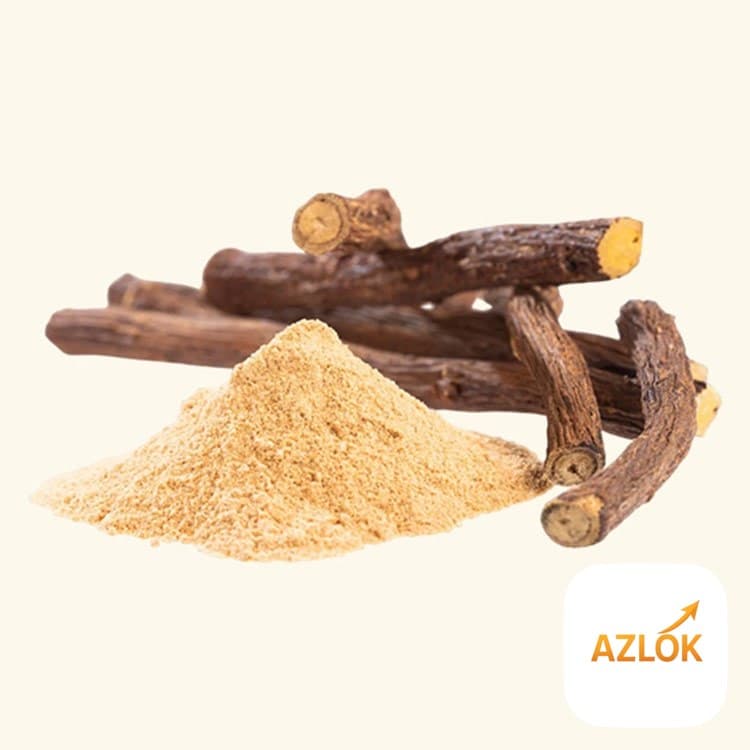
Licorice Root Extract (Mulethi): A DIY Maker's Guide to Brighter, Calmer Skin

Licorice Root Extract, known across India as Mulethi, is a colourless liquid extract prized in skincare for its skin-brightening and anti-inflammatory qualities. Made from the roots of Glycyrrhiza glabra, it is a water-friendly cosmetic ingredient you can blend into creams, serums and toners at home or in small-batch production.
What is Licorice Root Extract (Mulethi)?
This extract is prepared from the roots of the licorice plant using a solution of glycerol and distilled water through solvent extraction, then preserved with sodium benzoate and other natural preservatives. The result is a clear liquid with a characteristic mild odour. Its INCI name is Licorice (Glycyrrhiza Glabra) Root Extract.
Licorice roots contain a broad mix of natural compounds — roughly 300 of them — which is why the extract is valued for antibacterial, anti-inflammatory, antiviral and antioxidant properties. The antioxidants are the reason it turns up in so many anti-ageing and even-tone formulations.
Common uses in skincare and cosmetics
Mulethi extract is mainly a cosmetic ingredient rather than something you cook with. Formulators reach for it when they want a gentle, plant-based active. Typical applications include:
- Brightening serums and creams to help even out skin tone and reduce the look of dullness.
- Soothing formulations for skin that feels irritated, thanks to its anti-inflammatory reputation.
- Anti-ageing blends where its antioxidant content supports skin defence.
- Toners, face mists and gels because it is water soluble and blends easily.
- After-sun and post-shave products for a calming finish.
How to use it in your formulations
Because this is a concentrated liquid extract, a little goes a long way. Follow these general steps:
- Decide on your base — a lotion, gel, toner or serum. This extract is water soluble, so it suits water-based formulas best.
- Add it to the water phase of your formulation, typically at a low percentage of the total recipe. Start small and adjust.
- Stir well to disperse evenly and check that your finished product stays clear and stable.
- Always include a suitable broad-spectrum preservative in any product containing water, and label your batch with the date.
If you are new to formulating, test a small batch first and note the ratios so you can repeat what works.
Tips and safety notes
Mulethi extract is designed for topical, cosmetic use. Keep these points in mind:
- Patch test any new blend on your inner forearm before applying to the face.
- Avoid direct contact with eyes. If it gets in, rinse thoroughly with clean water.
- Keep out of reach of children.
- This is a cosmetic raw material, not a food or medicine — do not ingest it and do not treat it as a cure for any condition.
- If you have sensitive or reactive skin, introduce it gradually and watch how your skin responds.
Buying and storage
Azlok offers Licorice Root Extract (Mulethi) in sizes from 100 GM for hobbyists up to 25 KG for bulk buyers and small businesses, with pricing from around ₹349. Country of origin is India, and documentation such as COA and MSDS is available for both water-soluble and oil-soluble grades.
The extract has a shelf life of about two years. To protect it:
- Store in a cool, dry place away from direct sunlight.
- Keep the container tightly closed to limit exposure to air and moisture.
- Use clean, dry tools when measuring to avoid contamination.
- Buy a pack size that matches how quickly you will use it — smaller packs for occasional DIY, larger drums for regular production.
FAQ
Is Licorice Root Extract the same as Mulethi?
Yes. Mulethi is the common Indian name for licorice (Glycyrrhiza glabra), and this extract is prepared from its roots.
Can I use it directly on my skin?
It is a concentrated cosmetic raw material meant to be blended into a formulation at a low percentage rather than applied neat. Always patch test your finished product first.
Is this extract water soluble or oil soluble?
This is the water-soluble form, made with glycerol and distilled water, so it works best in water-based products. Azlok also provides documentation for an oil-soluble grade.
How long does it last?
The shelf life is around two years when stored correctly — cool, dry, out of sunlight and tightly sealed.
Can I eat or drink it?
No. This product is intended for cosmetic, topical use only. Do not ingest it, and keep it away from children and out of your eyes.