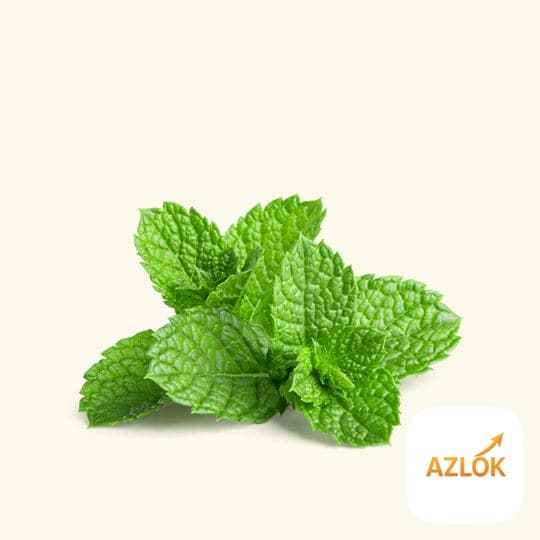
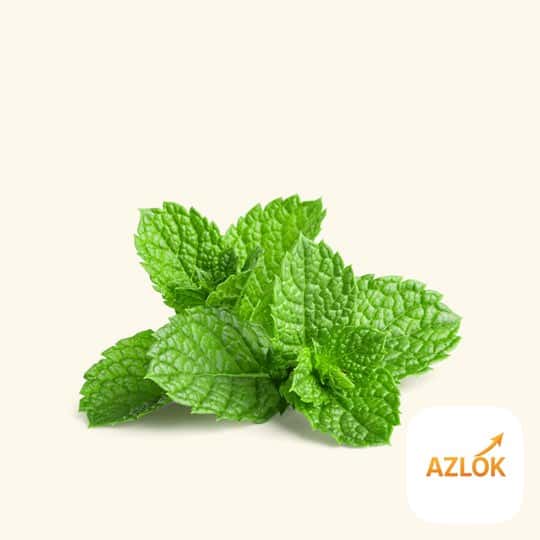
Peppermint fragrance oil is a scented oil used to add a cool, minty aroma to candles, soaps, diffusers, incense and other home and personal-care products. Unlike peppermint essential oil, a fragrance oil is blended for a consistent, long-lasting scent and is meant for scenting your creations, not for ingestion.
Azlok Peppermint Fragrance Oil is made in India and sold in sizes from 100 grams right up to 25 kilograms, so it suits both weekend hobbyists and small businesses buying in bulk. Below is a straightforward look at where it works well and how to use it properly.
What you can make with peppermint fragrance oil
The crisp, refreshing note of peppermint is one of the most versatile scents a maker can keep on the shelf. It pairs beautifully with chocolate, eucalyptus, lavender and citrus, and it also stands strong on its own.
- Candles: Soy, beeswax, paraffin or blended wax all take peppermint well. It fills a room quickly, which makes it popular for festive and winter-themed candles.
- Cold-process and melt-and-pour soaps: Adds a clean, tingling-fresh character to bath bars.
- Reed diffusers and room sprays: A little goes a long way for an invigorating home fragrance.
- Incense and wax melts: Blends nicely into cones, sticks and tarts.
- Bath and body extras: Bath bombs, scrubs and lotions, provided the oil is skin-safe for the format you are making.
How to use it: usage rates and blending
Fragrance oils are strong, so you only need a small percentage by weight. Always measure with a scale rather than by eye.
- Candles: Typically 6–10% of the wax weight. Add the oil at the correct temperature recommended for your wax (often around 60–70°C for soy) and stir gently for a full two minutes to bind the scent.
- Soap: Usually 3–5% of your total batch weight. For cold-process soap, test a small batch first, as some fragrance oils can speed up trace.
- Diffusers: Around 15–25% of the diffuser base or carrier, adjusted to how strong you like the throw.
- Room sprays and melts: Follow the guidance for your specific base and start light — you can always add more.
When trying peppermint for the first time, make a small test batch and let it cure fully before judging the scent. Fragrance can shift as candles cure or soap saponifies.
Safety notes worth reading
Peppermint fragrance oil is for external, craft and home-fragrance use only. Keep these points in mind:
- Do not ingest and keep away from children and pets.
- Patch-test any leave-on skin product before regular use, as peppermint can feel cool or tingly and may irritate sensitive skin.
- Work in a ventilated space and avoid prolonged breathing of concentrated vapours.
- Store away from open flame while handling, and add to melted wax off the heat source.
- Avoid contact with eyes; if it happens, rinse with plenty of water.
If you are formulating for sale, check that your usage level sits within safe limits for the product type and confirm any local labelling requirements.
Buying and storing tips
Choose a pack size that matches how quickly you work. A 100 gram bottle is plenty for testing recipes, while 5 kg and larger drums make sense for regular production. Buying the right size keeps the oil fresh and reduces waste.
- Store in a cool, dark place, tightly capped, away from direct sunlight and heat.
- Use clean, dry tools each time to avoid contaminating the bottle.
- Keep it in a glass or fragrance-safe container if you decant smaller amounts.
- Label decanted bottles with the name and date so you can track freshness.
Azlok stocks this fragrance oil across multiple sizes so you can start small and scale up as your projects grow.
FAQ
Is peppermint fragrance oil the same as peppermint essential oil?
No. Essential oil is distilled directly from the peppermint plant, while fragrance oil is blended for a consistent, longer-lasting scent. Fragrance oil is meant for scenting products, not for ingestion or aromatherapy claims.
How much peppermint fragrance oil should I add to candles?
A common range is 6–10% of the wax weight. Start around 8%, measure by weight, and adjust after a test burn once the candle has cured.
Can I use it on my skin?
Only in properly formulated products at safe usage levels, and after a patch test. Never apply the neat oil directly to skin, and avoid it if you have sensitive or reactive skin.
Does peppermint fragrance oil expire?
It keeps best when stored cool, dark and sealed. Over long periods the scent can weaken, so buy a size you will use within a reasonable time.
Which scents pair well with peppermint?
Chocolate, vanilla, eucalyptus, lavender, citrus and other mints all blend nicely, letting you create anything from cosy winter candles to fresh, spa-style soaps.