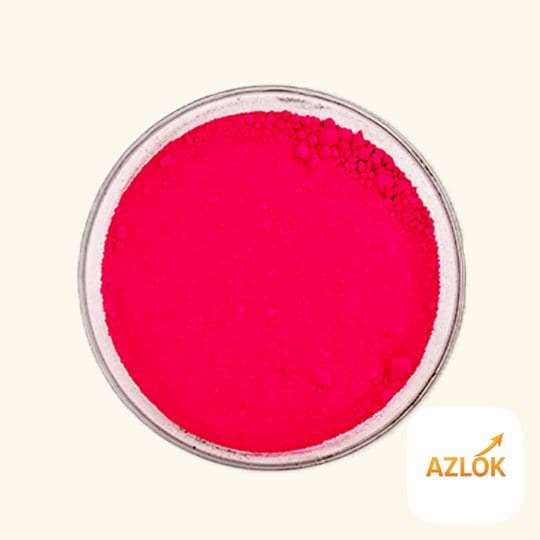

Pink Candle Color is a fine pigment powder that gives your homemade candles a bright, even pink shade. Add a small pinch to your melted wax, stir until fully dispersed, and pour as usual. A little goes a long way, so start light and build up to the tone you want.
What Pink Candle Color is
This is a powder pigment (sometimes still called ultramarine pink) made in India and meant specifically for candle making. Unlike liquid dyes that dissolve, a pigment sits suspended in the wax, which is why it delivers strong, opaque colour. Azlok stocks it in 50 Gm, 100 Gm, 500 Gm and 1 KG packs, so you can buy a small tin for weekend projects or a larger quantity for a small candle business.
How to use it in candle making
The method is straightforward, but patience with mixing makes all the difference between a streaky candle and a clean, uniform one.
- Melt your wax (paraffin, soy or a blend) to the temperature your wax recommends, usually around 60-70°C.
- Take a very small pinch of the pink powder to begin with. For pigment powders, roughly a quarter teaspoon per kilogram of wax is a sensible starting point.
- Add the powder to the melted wax and stir thoroughly for a couple of minutes. Because it is a pigment and not a soluble dye, it needs proper agitation to spread evenly.
- Do a spoon test: drop a little wax on a white saucer and let it set. This shows the true finished shade, which is usually lighter than the hot wax looks.
- Adjust colour, add fragrance if you like, then pour once the wax reaches your ideal pouring temperature.
Getting an even, streak-free colour
Pigment powders can occasionally clog thin wicks or leave tiny specks if under-mixed. To avoid this:
- Mix the powder into a small amount of hot wax first to make a smooth paste, then stir that into the main batch.
- Keep stirring right up to the pour so the pigment stays suspended and does not settle at the bottom.
- Use a slightly larger wick than usual for heavily pigmented candles, as dense colour can affect the burn.
- Test one candle before making a full batch, especially when trying a new wax.
Ideas and combinations
Soft pink suits Valentine's gifts, baby-shower favours, spring decor and rose- or floral-scented candles. Pair it with white unscented pillars for a two-tone set, or blend a smaller amount for a pale blush. It works well alongside Azlok's other candle colours if you enjoy mixing custom shades.
Safety notes
This pigment is made for candle making, not for food, cosmetics or skin. Please keep a few basics in mind:
- Do not ingest. Keep the powder away from children and pets.
- Work in a ventilated space and avoid breathing in the fine powder; a light dust mask is helpful when handling larger quantities.
- Wear an apron or old clothes, since pigment can stain fabric and surfaces.
- Take normal care around hot wax to avoid burns, and never leave melting wax unattended.
- Refer to the MSDS/COA for handling details if you are using it commercially.
Buying and storage
Choose your pack size by how often you make candles. A 50 Gm tin lasts a long time for occasional hobby use because the dosage is so small, while 500 Gm and 1 KG suit regular makers. Store the powder in a cool, dry place with the lid firmly closed to keep moisture out. Kept this way, it has a shelf life of about two years. Priced at ₹299, it is an easy addition to a home candle kit.
FAQ
How much Pink Candle Color should I use?
Start with about a quarter teaspoon per kilogram of wax, mix well, then adjust. Do a spoon test on a white plate to check the set colour before pouring the full batch.
Is it a dye or a pigment?
It is a pigment powder. It does not dissolve like liquid dye; instead it stays suspended in the wax, which gives a strong, opaque pink. That is why thorough mixing matters.
Can I use it for soy and paraffin wax?
Yes. It works with common candle waxes including soy, paraffin and blends. Always test a single candle first, as different waxes take colour slightly differently.
Is Pink Candle Color safe for skin or food?
No. It is intended only for candle making. Do not use it on skin, in cosmetics or in food, and keep it away from children.
How long does it last once opened?
Around two years when stored in a cool, dry place with the container sealed tightly to prevent moisture from clumping the powder.