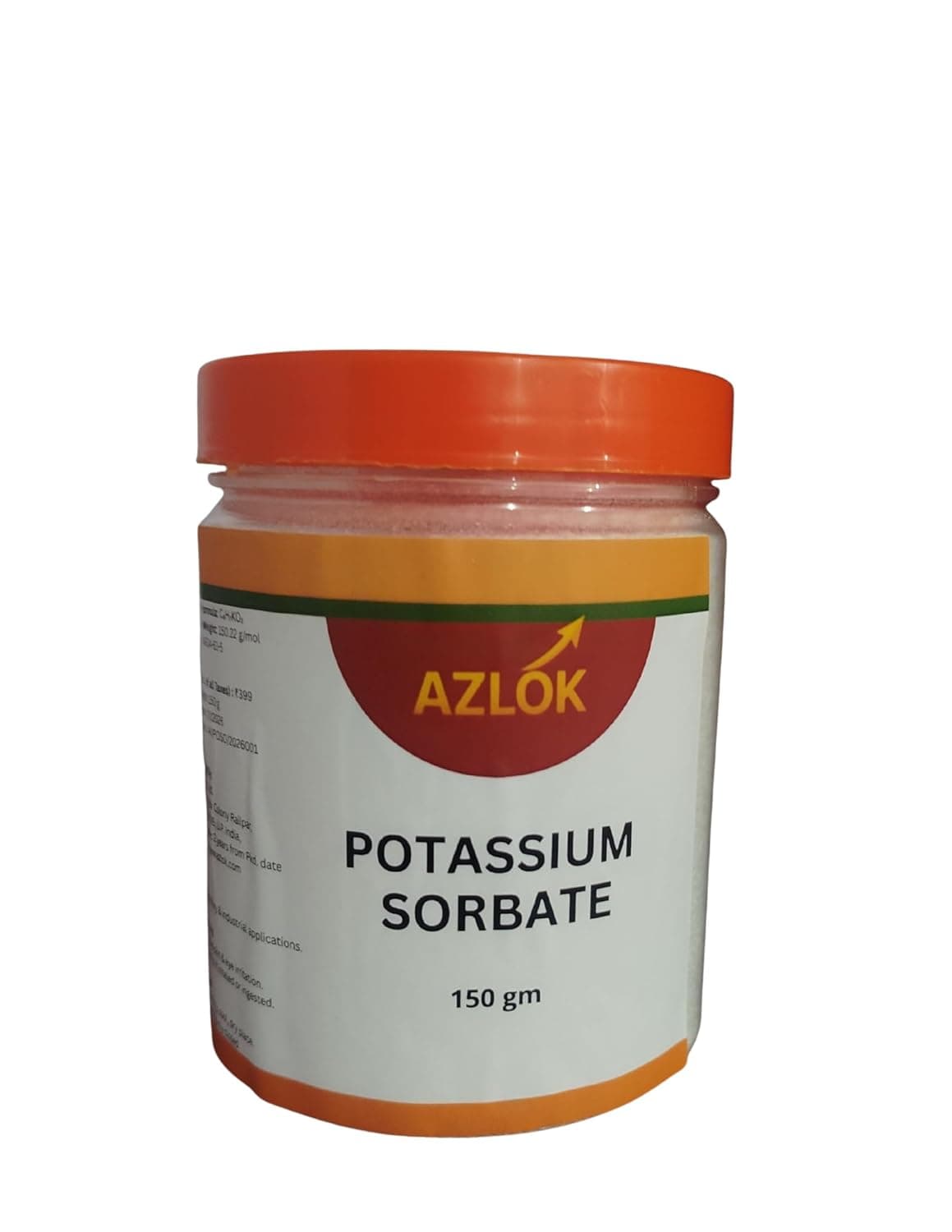
Potassium Sorbate Powder: A Practical Guide for Bakers, Brewers & DIY Makers
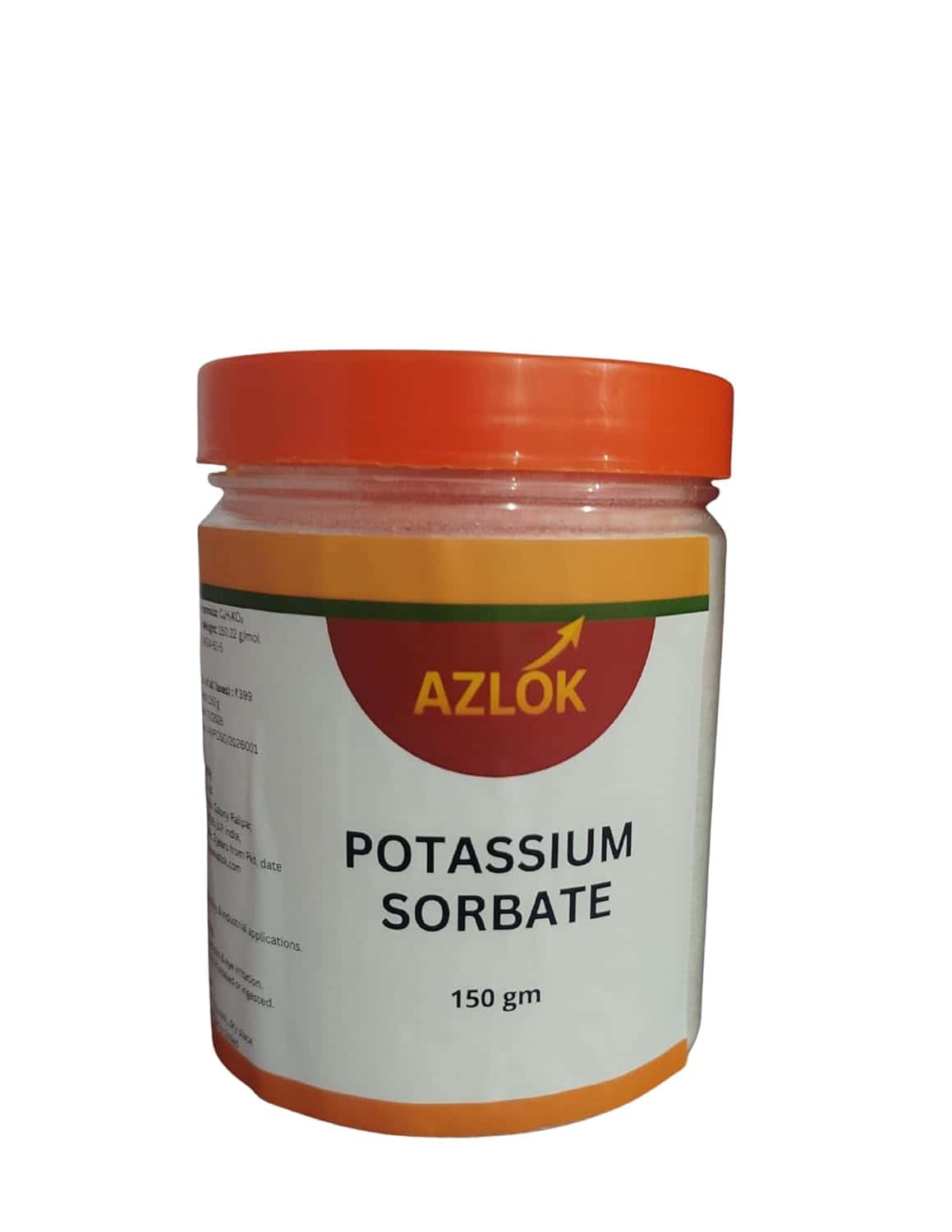
Potassium sorbate is a food-grade preservative that stops moulds, yeasts and fungi from spoiling foods, drinks and cosmetics, and it works well even at very low doses. It is odourless, practically tasteless and dissolves readily in water, which makes it one of the easiest preservatives to add to a recipe or formulation without changing flavour or texture.
What potassium sorbate does
Potassium sorbate is the potassium salt of sorbic acid. Once dissolved, it releases sorbic acid, which slows the growth of the microbes that cause spoilage. It is not an antibacterial powerhouse, so it is mainly valued for controlling moulds and yeasts rather than every kind of bacteria. That is exactly why bakers, beverage makers and cosmetic formulators reach for it: those products are most often ruined by fungal growth.
An important point to understand is that it is a preservative, not a rescue treatment. It helps a clean, well-made product stay fresh for longer; it cannot fix food that is already contaminated.
Common uses
- Baking: Cakes, breads, pastries and fillings that are prone to mould in humid Indian kitchens.
- Beverages: Cordials, squashes, fruit syrups, wines and other drinks where yeast or mould would otherwise develop.
- Dairy and condiments: Cheese surfaces, dips, sauces, pickles and chutneys.
- Cosmetics: Water-containing lotions, creams, toners, shampoos and other homemade care products.
- Research and teaching: A convenient, well-characterised compound for lab and classroom work.
How to use it
Potassium sorbate is most effective in mildly acidic conditions, typically below a pH of around 6.5, so it suits fruit-based and slightly acidic products best. For everyday use, follow these general guidelines:
- Weigh accurately. Typical usage in food and cosmetics is a fraction of a percent by weight, often in the range of 0.1% to 0.3% of the finished product. Use a small digital scale rather than guessing with spoons.
- Dissolve first. Stir the powder into a little warm water until fully dissolved, then blend that solution into your batter, syrup or cream.
- Add near the end. In cosmetics, add it to the water phase once the mixture has cooled, so heat does not reduce its effect.
- Check acidity. If your product is not naturally acidic, a splash of a food-safe acid (such as citric acid) can help potassium sorbate perform better.
Safety notes
Potassium sorbate is widely used and considered safe at recommended food levels, but sensible handling still matters:
- Stick to recommended dosages. More preservative does not mean better results, and overdosing can affect taste.
- Avoid inhaling the fine powder; work in a ventilated space and consider a mask when weighing larger amounts.
- Keep it away from eyes and prolonged skin contact, and wash your hands after handling.
- Store out of reach of children and pets.
- For cosmetics, always do a small patch test on your finished product before regular use.
- Some people prefer to limit synthetic preservatives; label homemade products honestly if you sell them.
Buying and storage
Choose a clearly labelled food-grade grade for anything you will eat, drink or apply to skin. The Azlok pack is intended for home bakers, beverage makers, cosmetic formulators and educational use, and its fine powder dissolves easily for quick mixing.
To keep it effective:
- Store in a cool, dry place away from direct sunlight.
- Keep the container tightly closed, as the powder can absorb moisture and clump.
- Use a clean, dry spoon each time to avoid introducing contamination.
- Buy a pack size you will realistically use within its shelf life rather than stockpiling.
FAQ
Is potassium sorbate safe to eat?
Yes, it is a food-grade preservative used worldwide in many packaged foods and drinks. Use it only at the small dosages recommended for food and never treat it as an ingredient to consume on its own.
How much potassium sorbate should I add?
A common range is 0.1% to 0.3% of the total weight of the finished product. Weigh both your product and the preservative for accuracy, and start at the lower end.
Does it change the taste or smell?
At correct usage levels it is essentially odourless and tasteless. If you notice an off flavour, you have likely added too much.
Will it work in any product?
It works best in acidic and mildly acidic products and mainly controls moulds and yeasts. In non-acidic foods or those needing broad bacterial control, it may need to be combined with other measures.
How should I store the powder?
Keep it sealed in a cool, dry place away from sunlight and moisture, and use a dry spoon so it stays free-flowing.
Related reading
- Potassium Sorbate: A Gentle Preservative for Homemade Skincare
- Sodium Benzoate Powder: What It Does and How to Use It in Your Formulas
- Why Azlok Sodium Benzoate Powder Belongs in Every Kitchen That Takes Freshness Seriously
- Potassium Sorbate Powder 150g (Food-Grade): The Complete Guide for Baking, Beverages & Cosmetics