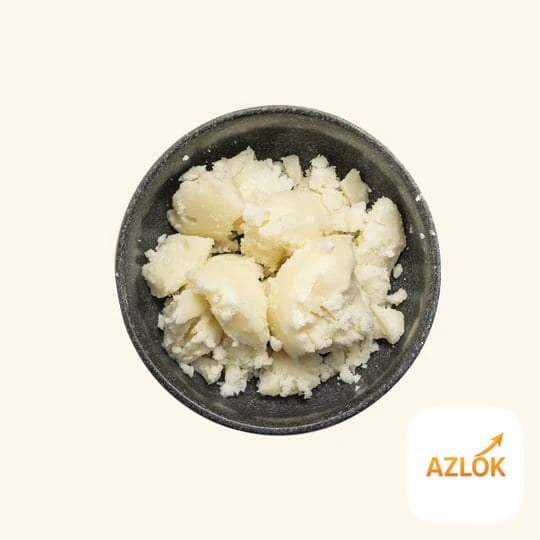

Pumpkin butter is a soft, waxy natural butter made from pumpkin seed oil that hydrates dry, chapped, mature and damaged skin while acting as a gentle antioxidant. It suits most skin types, melts close to body temperature, and works equally well on the face, body and hair, which is why it has long been a favourite in European skincare.
At Azlok we stock pumpkin butter (botanical name Cucurbita, CAS No. 90063-86-8) as an off-white to pale yellow butter with a characteristic nutty odour. It is free from added chemicals, preservatives, parabens, phthalates, sulfates, SLS and SLES, so it slots neatly into clean, handmade formulations.
What is pumpkin butter and why people use it
Despite the name, this is not the spiced spread you eat. It is a cosmetic butter derived from pumpkin seed oil, blended to a spreadable, semi-solid texture. It carries the fatty acids and natural antioxidants of the seed, which help skin feel softer and better conditioned.
- Hydration: soothes dry, flaky and rough patches.
- Mature skin: a rich, cushioning feel for skin that needs extra moisture.
- Antioxidant support: a naturally occurring benefit of the seed oil.
- Hair care: tames frizz and conditions dry ends.
How to use pumpkin butter
Its low melting point (around 25°C) means it softens quickly with the warmth of your hands, so a little goes a long way.
- As a body butter: scoop a small amount, warm it between your palms, and massage into damp skin after a bath.
- On the face: use a thin layer at night on dry areas. Start small if your skin is oily or acne-prone.
- For hair: rub a pea-sized amount between fingers and smooth over dry ends, or use as a pre-wash mask.
- In DIY recipes: combine with carrier oils, shea or cocoa butter, and essential oils to make creams, balms and soaps.
A simple whipped butter blend
Melt 100 g pumpkin butter gently, add 20 g of a light carrier oil such as sweet almond, cool until it starts to set, then whip until fluffy. Add a few drops of your chosen essential oil if you like a scent.
Tips and safety notes
- Patch test first: apply a little to your inner arm and wait 24 hours before wider use.
- Do not ingest: this is a cosmetic-grade butter for external use only.
- Keep away from children and store out of direct sunlight.
- Melting point matters: in Indian summers the butter may soften on its own. This is normal; cool it and it firms up again.
- Dilute essential oils properly if you add them, and keep fragrance within safe skincare percentages.
Buying and storage
Azlok offers pumpkin butter at ₹649 with pack sizes from 500 g up to 20 kg, so home users and small businesses can both buy sensibly. For occasional DIY, the 500 g or 1 kg pack is ideal; soap makers and cosmetic brands often prefer the bulk 5 kg to 20 kg options.
- Storage: keep in a cool, dry place, tightly closed, away from heat and moisture.
- Shelf life: up to 2 years when stored well.
- Handling: use clean, dry spoons to avoid introducing water or contaminants.
FAQ
Is pumpkin butter safe for oily or acne-prone skin?
It suits most skin types, but if you are oily or breakout-prone, start with a very thin layer and see how your skin responds. A patch test is always sensible.
Can I eat this pumpkin butter?
No. This is a cosmetic natural butter for skin and hair only. It is not a food product and should not be ingested.
Why has my pumpkin butter gone soft?
Its melting point is around 25°C, so warm room temperatures naturally soften it. Simply move it to a cooler spot and it will firm up again without losing quality.
How much should I use per application?
Very little. A pea-sized amount melts easily with body heat and spreads over a large area, so avoid over-applying, especially on the face.
Which pack size should I choose?
For personal use, 500 g or 1 kg lasts a long time. If you make and sell soaps, creams or balms, the 5 kg, 10 kg or 20 kg packs are more economical.