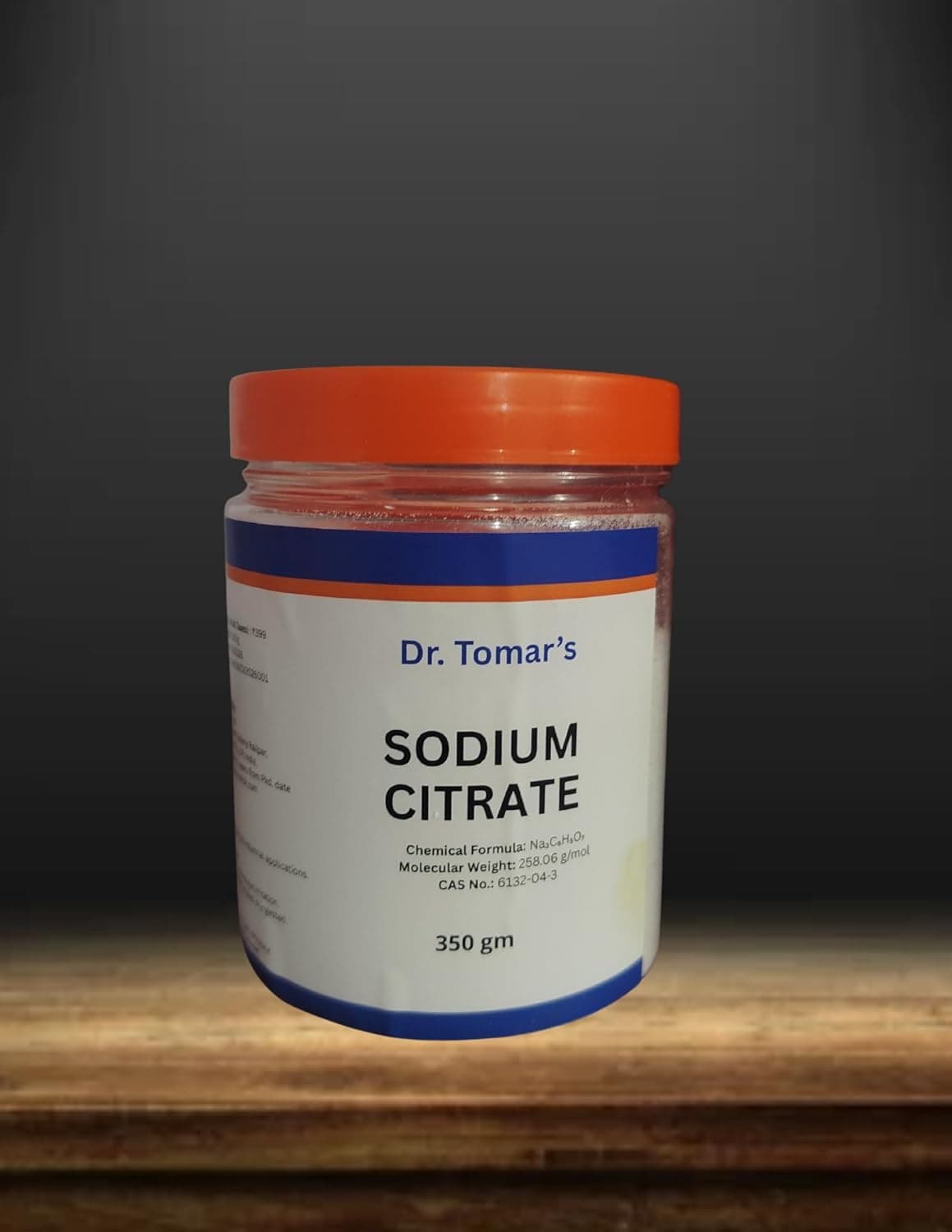
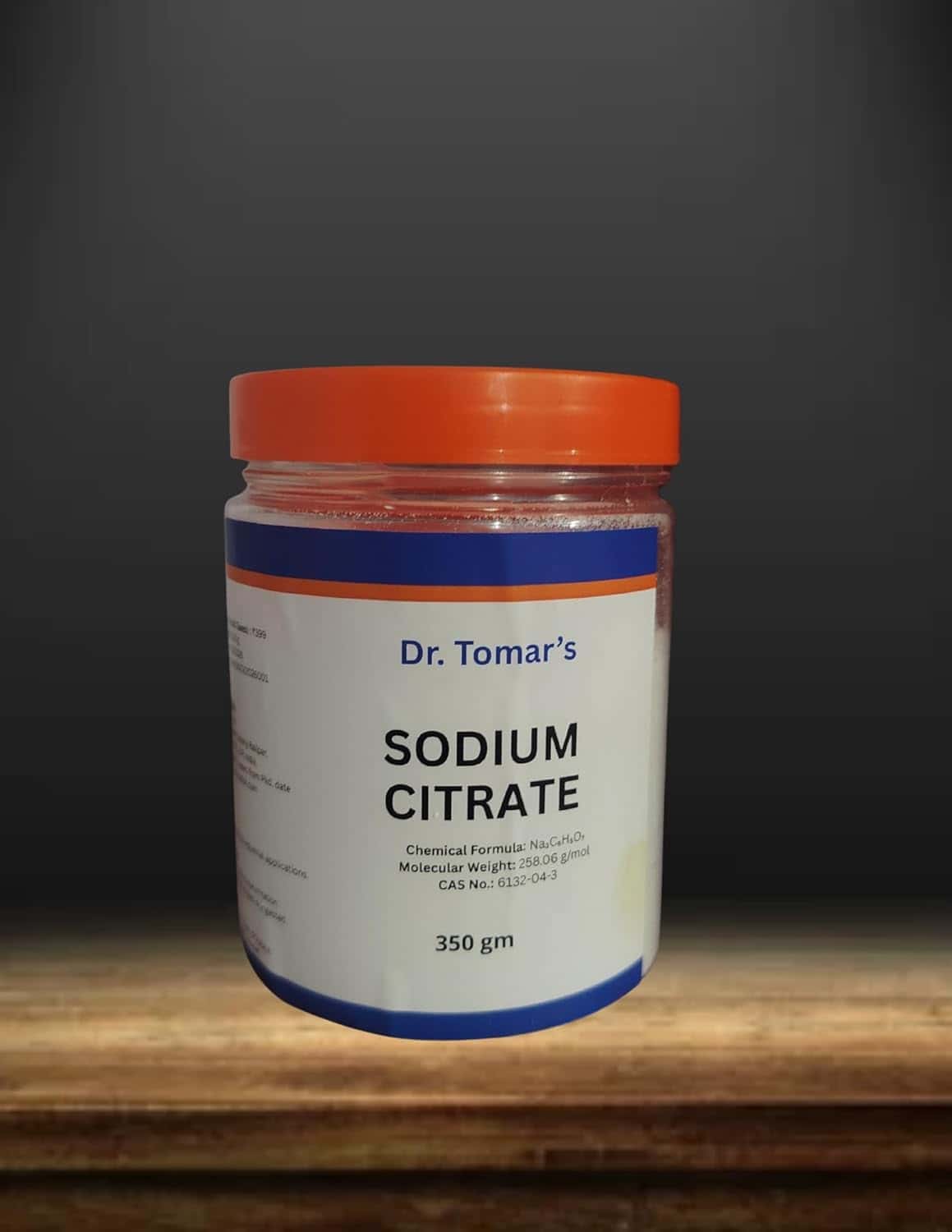
Food-grade sodium citrate is the sodium salt of citric acid (additive code E331) that lets you melt hard cheese into a silky, lump-free sauce, and it also works as a mild acidity regulator and stabiliser in drinks and dairy. In short: a small spoonful does what old-school recipes needed roux, cream and luck to achieve. Azlok's 700 gram food-grade pack is aimed at home cooks and small kitchens who want that professional smoothness without any fuss.
What sodium citrate actually does
Cheese is basically fat, water and protein held together by calcium. When you heat it, the proteins clump and the fat leaks out, which is why plain melted cheddar turns greasy and stringy. Sodium citrate steps in as an emulsifier: it swaps out some of that calcium, so the proteins relax and grab the fat and water into one glossy, stable mixture. That is the science behind restaurant-style nacho cheese and creamy mac and cheese.
Beyond cheese, it has a mild salty-sour taste and a few other roles:
- Acidity regulator: balances tartness in beverages, jellies and processed foods.
- Stabiliser: keeps dairy drinks and flavoured milk from separating.
- Texture enhancer: gives a rounder mouthfeel to sodas and sports-style drinks.
How to use it at home
The most popular kitchen use is a foolproof cheese sauce. Here is a simple method:
- Weigh your cheese. Use any good melting or hard cheese oor a blend.
- In a pan, warm a liquid base oomilk, water or beer oand whisk in sodium citrate. A common starting point is about 2 to 4 grams of sodium citrate per 100 grams of cheese, with roughly 90 ml of liquid.
- Once the liquid is warm and the citrate has dissolved, add the grated cheese a handful at a time, whisking until each addition melts smoothly.
- Keep the heat gentle. You will get a pourable, glossy sauce that stays smooth even as it cools slightly and reheats well.
For drinks and other recipes, follow the specific formula you are working with. A pinch adjusts acidity; too much brings a soapy, salty edge, so start small and taste as you go.
Tips and safety notes
Sodium citrate is a widely used, generally recognised food additive, but treat it like salt oa little goes a long way.
- Measure by weight where you can. A kitchen scale gives far more consistent results than spoons.
- Dissolve it fully in liquid before adding solids, so it works evenly.
- It is a sodium salt, so it adds to the overall salt content otaste before you add extra table salt.
- Keep it out of reach of children and clearly labelled, away from any non-food chemicals.
- Use only food-grade material, like this Azlok pack, for anything you plan to eat or drink. Industrial grades are not meant for consumption.
If you are on a sodium-restricted diet or have any specific health concern, check with your doctor before adding it regularly to your cooking.
Buying and storage
Food-grade sodium citrate looks like a fine white crystalline powder and is odourless. When buying, look for a clear food-grade label and an intact, sealed pack. The Azlok 700 gram pack at around Rs. 211 lasts a very long time in a home kitchen, since most recipes need only a few grams at a time.
Storage is easy:
- Keep it in a cool, dry place, tightly sealed, away from direct sunlight and moisture.
- Because it can attract humidity, avoid leaving the pack open near a steaming stove.
- Stored well, it stays free-flowing and effective for a long shelf life.
If the powder clumps because of moisture, it is usually still usable obreak up the lumps and keep it drier next time.
FAQ
Is sodium citrate safe to eat?
Yes, food-grade sodium citrate (E331) is a widely used food additive found in many processed foods, cheeses and beverages. Use food-grade material only, and keep quantities modest since it adds sodium.
How much sodium citrate do I need for cheese sauce?
A practical starting ratio is about 2 to 4 grams of sodium citrate per 100 grams of cheese, along with roughly 90 ml of liquid. Adjust to taste and desired thickness.
Is sodium citrate the same as citric acid?
No. Citric acid is sour and acidic, while sodium citrate is its sodium salt with a milder salty-sour taste. Sodium citrate acts more as an emulsifier and acidity regulator than a souring agent.
Can I use it in drinks?
Yes. In beverages it works as an acidity regulator and stabiliser, giving a smoother mouthfeel and balanced tartness. Use small amounts and follow your recipe.
Does sodium citrate make cheese taste different?
Used correctly, it mainly changes texture rather than flavour, keeping the sauce smooth. Overdosing can add a soapy or overly salty note, so measure carefully.