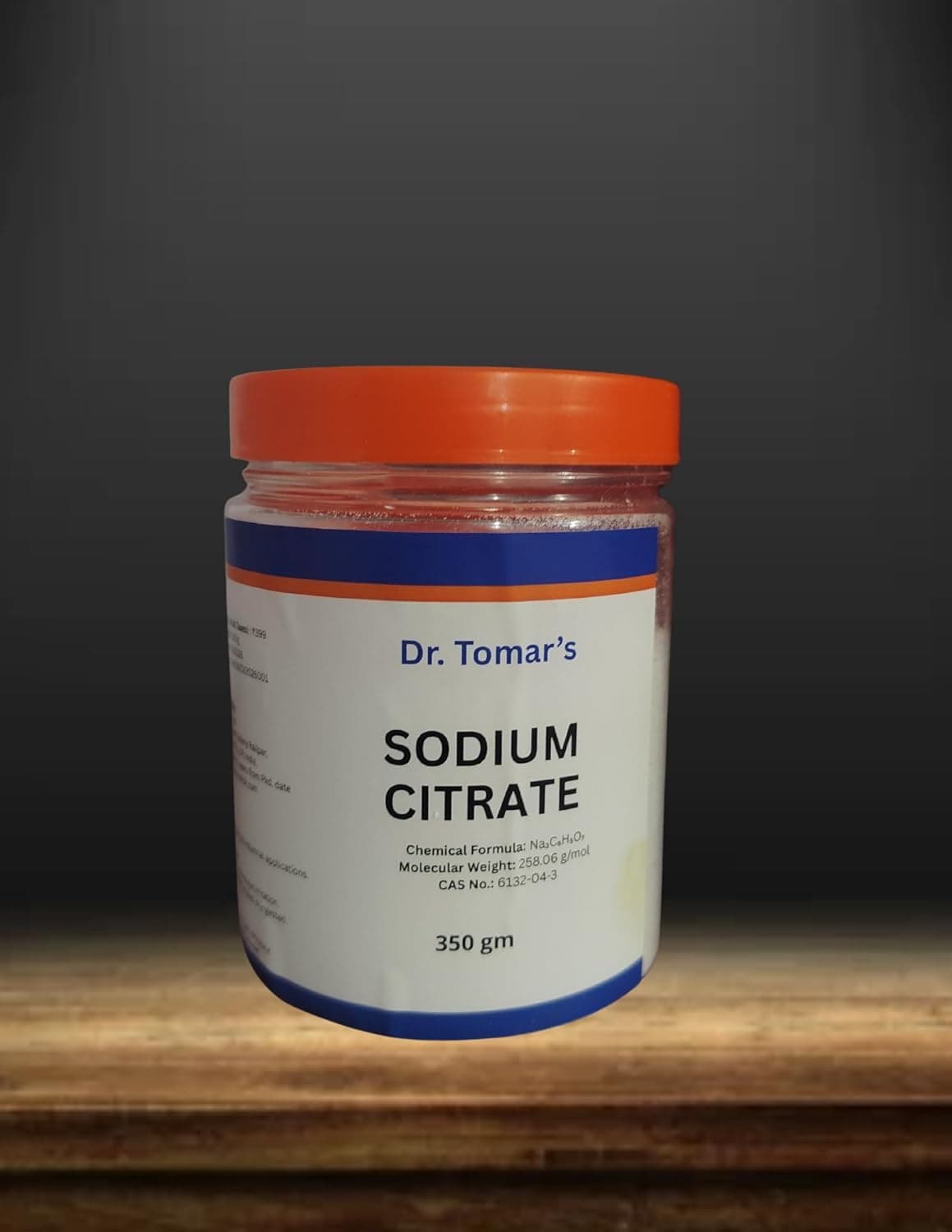
Food-grade sodium citrate is the sodium salt of citric acid (additive code E331) that lets you turn ordinary cheese into a glossy, lump-free sauce, and it also works as an acidity regulator and emulsifier in drinks and processed foods. A small pinch does a lot: it keeps proteins and fats blended so your food stays smooth and stable instead of splitting into oily puddles.
What sodium citrate actually does
Sodium citrate is a white, crystalline powder with a mild salty-sour taste. In the kitchen and in small-batch food production it plays three main roles:
- Emulsifier: it binds water and fat together so cheese, sauces and dips stay creamy without oiling out.
- Acidity regulator: it buffers and steadies the pH of beverages and processed foods, which helps flavour and shelf stability.
- Texture enhancer and stabiliser: it gives a rounder mouthfeel and stops separation in dairy and drink applications.
Because of the buffering action, it also softens the sharp bite of citric acid, which is why you see it in soft drinks, energy drinks and fruit preparations.
How to make smooth cheese sauce
This is the use most home cooks discover first. Traditional cheese sauces often turn grainy or greasy because the cheese proteins clump when heated. Sodium citrate keeps them dispersed.
- Warm a liquid base such as milk, water or beer in a pan.
- Whisk in sodium citrate at roughly 2 to 4 percent of the liquid weight (about 2 to 4 grams per 100 grams of liquid).
- Grate your cheese and add it a handful at a time, whisking until each addition melts.
- Keep the heat gentle. You will get a pourable, glossy sauce that reheats without splitting.
The same trick works for cheese dips, fondue and even a stretchy homemade nacho cheese. Start on the lower end of the dose and adjust to taste, since too much can add a soapy or salty note.
Other everyday uses
- Beverages: a tiny amount balances acidity in homemade sodas, lemonades and flavoured waters.
- Ice cream and dairy: it helps control texture and prevents separation.
- Processed and canned foods: used as a mild preservative-style acidity regulator to hold flavour and stability.
- Molecular-style cooking: paired with sodium alginate for spherification techniques.
Safety and honest notes
Sodium citrate is a widely accepted food additive when used in food-grade form and small quantities. Still, treat it like any concentrated ingredient:
- Use only food-grade product for anything you eat or drink, and follow the dosages above rather than eyeballing large scoops.
- It is essentially a salt, so it does add sodium. Go easy if you are watching your salt intake.
- Excess amounts taste soapy and can upset the stomach, so more is not better.
- Keep the pack out of reach of children and away from moisture.
- If you have a medical condition or are on a restricted diet, check with your doctor before regular use.
Buying and storing
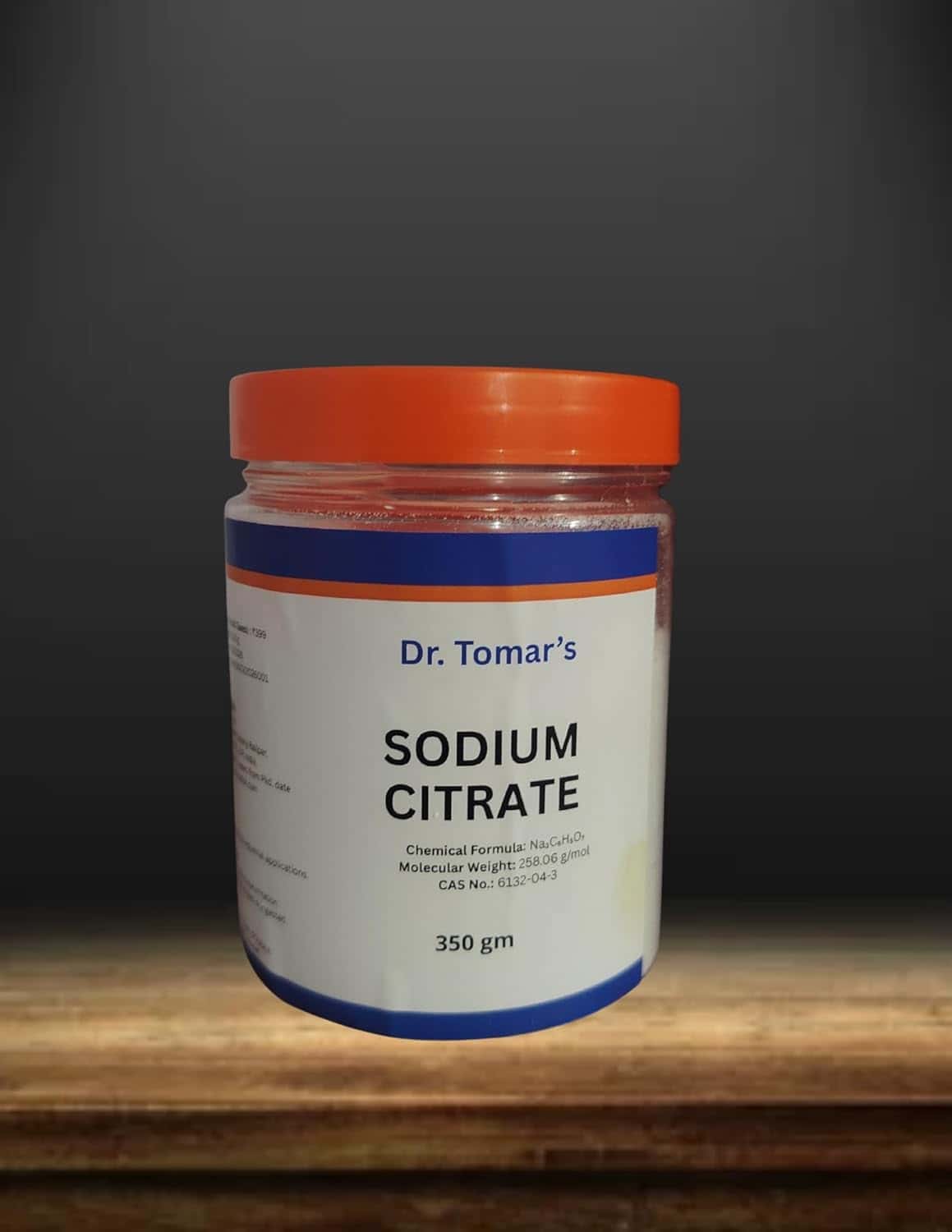
The Azlok Sodium Citrate food-grade pack is 350 grams at ₹163, which lasts a long time because you use it by the gram. When buying, confirm the label clearly states food grade and E331. A kitchen scale that reads in grams makes dosing accurate and repeatable.
Store it in a cool, dry place in an airtight container. Sodium citrate is hygroscopic, meaning it draws moisture from the air, so a tightly sealed jar keeps it free-flowing. Kept dry, the powder stays usable for a long time. Always use a clean, dry spoon to avoid introducing damp into the pack.
FAQ
Is sodium citrate safe to eat?
Yes, food-grade sodium citrate (E331) is a commonly used food additive. Use it in small, recipe-appropriate amounts and choose a food-grade product for anything you consume.
How much sodium citrate do I use for cheese sauce?
A good starting point is about 2 to 4 grams per 100 grams of liquid, roughly 2 to 4 percent. Begin low and add more only if the sauce needs it.
What does sodium citrate taste like?
It has a mild salty-sour flavour. In correct amounts it is barely noticeable, but too much tastes soapy and overly salty.
Can I substitute citric acid for sodium citrate?
Not directly. Citric acid adds sourness but does not emulsify cheese. Sodium citrate is the buffered salt that keeps proteins and fats blended.
How should I store the 350 gram pack?
Keep it airtight in a cool, dry spot away from moisture, since the powder absorbs humidity. Use a dry spoon each time.