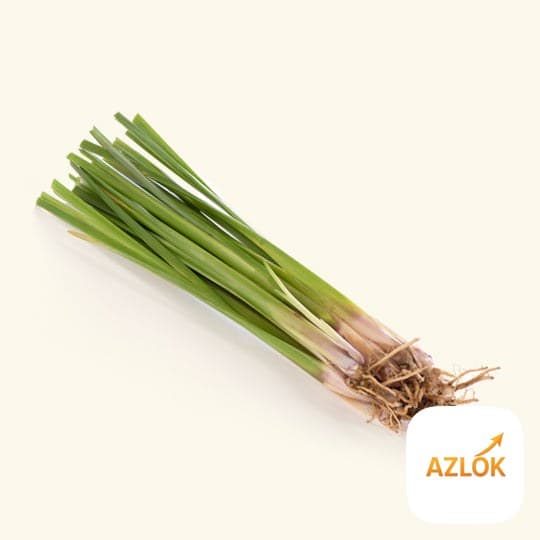

Vetiver (Khus) Liquid Extract is a concentrated herbal extract drawn from the roots of the vetiver plant, used mainly as a cosmetic ingredient in soaps, shampoos, lotions, serums and other DIY personal care products. Azlok's version is prepared by classic maceration to hold on to the plant's natural compounds, and it comes as a clear liquid that is tasteless and free of strong odour, so it blends easily into your own recipes.
What is Vetiver (Khus) extract?
Vetiver, known across India as khus or khus-khus, is a grass whose thick roots grow straight down into the soil. Those roots are the prized part. The botanical (INCI) name is Chrysopogon zizanioides. For centuries khus has been valued in Indian summers for its cooling character, and it appears in Ayurvedic preparations and aromatherapy alike.
Unlike vetiver essential oil, this is a liquid extract made through maceration. That process is meant to carry through the water- and oil-loving constituents of the root, such as flavonoids, alkaloids and minerals, in a form that is gentle and easy to formulate with.
Common uses in DIY and cosmetics
Because it is calming on the skin and mild in scent, khus extract is a flexible addition to homemade and small-batch products. Typical applications include:
- Soap making — cold process, melt-and-pour and glycerine bars
- Shampoos and hair rinses for a soothing, refreshing feel on the scalp
- Lotions, creams and body butters
- Face wash, toners and serums
- Massage blends combined with carrier oils
Since the extract is soluble in alcohol and fixed (carrier) oils, it suits both oil-based serums and alcohol-based toners and mists. Azlok stocks it in sizes from 100 g up to 25 kg, which makes it practical whether you are testing a single batch at home or running a small production line.
How to use it
There is no single fixed rule, so treat the extract as one active ingredient among many in your recipe. A few sensible steps:
- Start small. Add a modest percentage to your base and adjust after testing, rather than pouring in a large amount at once.
- Match the solubility. Blend it into the oil phase of your formula, or into an alcohol phase for toners and sprays. It will not simply dissolve into plain water.
- Add at a suitable temperature. For heated formulas, incorporate delicate extracts towards the cool-down stage to protect their natural constituents.
- Keep notes. Record the percentage you used so you can repeat a batch you like.
Safety and honest notes
Khus extract is generally considered gentle, but a few precautions are worth following:
- Patch test any new blend on a small area of skin before wider use.
- For external, cosmetic use. This is a formulating ingredient, not a food or medicine, and should not be relied on to treat or cure any condition.
- The supplier notes that no herb-drug interactions are known, but caution should still be observed with external applications, and products are best used at their prescribed doses.
- Keep the bottle out of reach of children and away from the eyes.
- Ask the supplier for the relevant COA and MSDS documents if you need them for your records.
Buying and storage tips
Choose your pack size according to how quickly you will use it — the extract has a shelf life of about two years. To keep it in good condition, store it in a cool, dry place away from direct sunlight, and keep the cap tightly closed to limit air exposure. Wipe the neck of the bottle and avoid contaminating the liquid with wet or unclean tools. Buying from a source like Azlok that shares product documentation makes it easier to formulate with confidence.
FAQ
Is Vetiver (Khus) Liquid Extract the same as vetiver essential oil?
No. The essential oil is a highly aromatic, distilled product, while this is a macerated liquid extract that is tasteless and low in odour, designed mainly as a cosmetic formulating ingredient.
Does it dissolve in water?
It is described as soluble in alcohol and fixed oils. For water-based products you will usually add it via an oil or alcohol phase rather than expecting it to mix into plain water.
Can I use it directly on my skin?
It is intended to be blended into formulations rather than applied neat. Add it to a base such as a cream, serum or carrier oil, and patch test before regular use.
What sizes are available?
Azlok offers it in 100 g, 500 g, 1 kg, 5 kg, 10 kg, 20 kg and 25 kg packs, so both hobbyists and small businesses can pick a suitable quantity.
How long does it last?
The stated shelf life is around two years when stored properly in a cool, dry, dark place with the cap tightly closed.