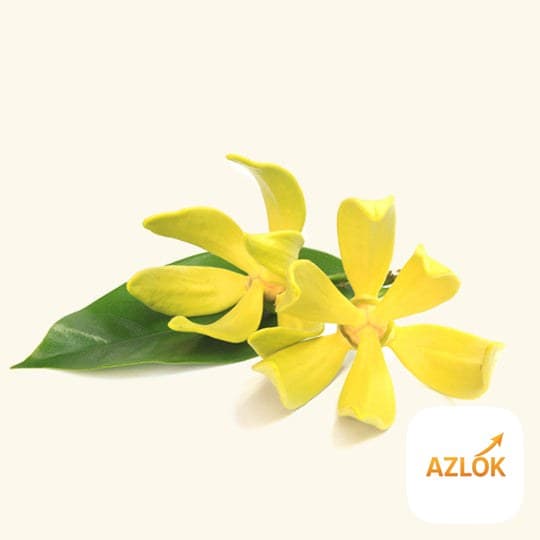
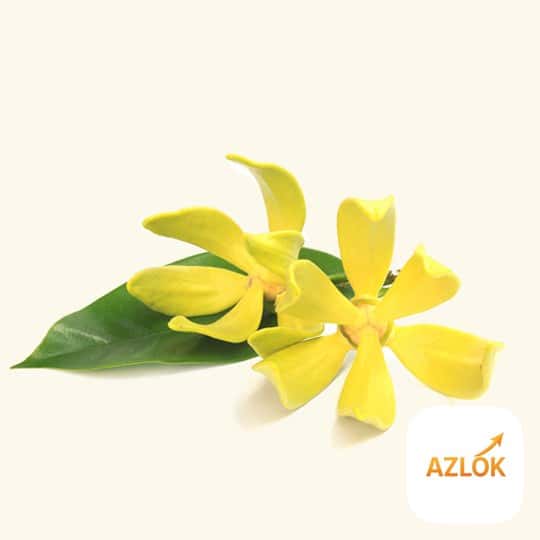
Ylang Ylang Fragrance Oil is a sweet, soft floral scent with a jasmine-like heart, used to perfume soaps, candles, scrubs, creams and air fresheners. Azlok's version is a cosmetic-grade fragrance oil (not an essential oil), designed to hold its bright white-floral aroma through soap and candle making. It starts at Rs 399 and comes in sizes from 100 GM up to 25 KG.
What Ylang Ylang Fragrance Oil Smells Like
The aroma is classic tropical floral: rich, sweet and slightly heady. You get airy muguet (lily of the valley), a fresh ozone lift and ylang-ylang on top, settling into rose, jasmine and a soft powdery base. It is the kind of scent people remember, which is why it turns up so often in romantic and evening blends. The colour can range from colourless to a dark yellow, so keep that in mind if you are making pale-coloured products.
Popular Uses
This fragrance oil is versatile across bath and body projects as well as home fragrance:
- Soaps — cold process, melt-and-pour and hand-milled bars.
- Candles — soy, beeswax and paraffin, where its floral notes carry well.
- Bath bombs — for a spa-like, floral fizz.
- Facial and body scrubs — paired with sugar or salt.
- Creams and lotions — a light floral finish.
- Air fresheners and reed diffusers — for living rooms and bedrooms.
- Perfume oils — as a floral heart note in roll-on blends.
How to Use It
Fragrance oils are concentrated, so a little goes a long way. Always work by weight, not by eye.
- Candles: Use around 6–10% of your wax weight, added at the correct temperature for your wax, then stir gently for a couple of minutes.
- Cold process soap: Typically 3–5% of oils. Ylang ylang types can occasionally speed up trace, so blend fully but work briskly.
- Melt-and-pour soap: About 1.5–3%, added once the base has cooled slightly.
- Lotions, creams and scrubs: Usually 0.5–1%.
- Reed diffusers: Roughly 15–25% in a suitable diffuser base.
Because it can tint your product yellow, do a small test batch first if you want a white or pastel finish. Blending ranges vary with formulation, so follow IFRA guidance and your own supplier documentation for the exact use level.
Blending Ideas
Ylang ylang is a natural partner for other florals and warm notes. Try it with rose or jasmine for a fuller bouquet, with sandalwood or vanilla for a soft, sensual base, or with bergamot and citrus to lighten its sweetness. A little goes far here too; overdosing floral fragrance oils can turn cloying.
Safety Notes
This is a fragrance oil for external, cosmetic and home-fragrance use only.
- Do not ingest. It is not a food flavouring or an essential oil for internal use.
- Patch-test any leave-on product on a small area of skin before regular use.
- Keep it away from children and pets.
- Store away from open flames and keep the workspace well ventilated while blending.
- Avoid contact with eyes; rinse with water if it happens.
- Always check the MSDS and COA for the batch and follow recommended usage percentages.
Buying and Storage Tips
Choose a size that matches how you make. The 100 GM pack suits hobbyists and testing, while the 500 GM to 1 KG options work for regular small-batch sellers. Bulk 5 KG to 25 KG sizes are meant for production runs and workshops. Azlok offers this fragrance oil across all these sizes, so you can scale up as your projects grow.
Store the bottle tightly closed in a cool, dry place, away from direct sunlight and heat. Kept well, the shelf life is around two years. Fragrance oils can degrade if left open, so decant only what you need and reseal promptly.
FAQ
Is Ylang Ylang Fragrance Oil the same as ylang ylang essential oil?
No. This is a fragrance oil, a blended aroma made to be stable and consistent in soaps and candles. It is not a steam-distilled essential oil and is not intended for aromatherapy or internal use.
Can I use it directly on my skin?
Not undiluted. Use it within a properly formulated product at the recommended percentage, and always patch-test first.
Will it change the colour of my soap or candle?
It can. The oil ranges from colourless to dark yellow, so it may tint pale products. Run a small test batch if colour matters.
How much should I use in candles?
A common range is 6–10% of the wax weight, added at the right temperature. Check your wax manufacturer's maximum load and IFRA limits.
How long does it last?
About two years when stored tightly sealed in a cool, dry, dark place away from heat and flames.