

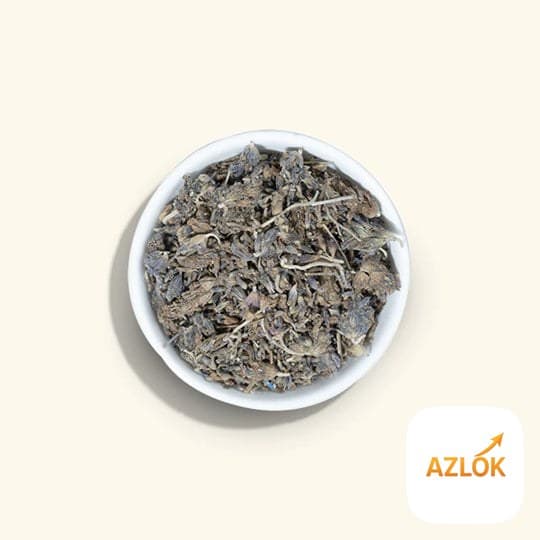

Dried Lavender Flower
Minimum Order: 1 units
Description
Dried Lavender Flowers (Lavandula angustifolia) from Azlok are whole, naturally dried blooms that retain their characteristic floral-herbal aroma. Available in packs from 100 g to 20 kg, they are used in aromatherapy, potpourri, sachets, skincare formulations, culinary garnishes, and candle or soap making. Shelf life is 2 years when stored in a cool, dry place.
History & Discovery
Lavender has been cultivated and used by humans for over 2,500 years. Ancient Egyptians used it in mummification and as a perfume. Romans added lavender to their bathwater, which is reflected in the plant's name derived from the Latin 'lavare', meaning 'to wash'. Through the Middle Ages, lavender was grown in monastery gardens across Europe as both a medicinal and aromatic herb. By the 19th century, commercial lavender farming had taken root in the UK (particularly Surrey and later Provence in France), and the plant became central to the modern perfume industry. Today lavender is grown across the Mediterranean, UK, Bulgaria, India, and other temperate regions. In India, lavender cultivation has expanded in Jammu & Kashmir and Himachal Pradesh, and Azlok sources its dried lavender flowers from Indian-grown stock.
Scientific & Medicinal Importance
Dried lavender flowers contain several bioactive compounds, with linalool and linalyl acetate being the most studied. These terpene compounds are primarily responsible for lavender's characteristic floral-herbal scent and are the basis for its use in aromatherapy. The flowers also contain flavonoids, coumarin, and rosmarinic acid, which contribute to mild antioxidant activity. When dried correctly at low temperatures, the volatile aromatic compounds are largely preserved, which is why good-quality dried lavender retains a strong fragrance for up to two years. Research has shown that inhalation of linalool-rich lavender aroma can influence the central nervous system, with studies suggesting mild anxiolytic (calming) effects. The dried flowers used in infusions or culinary applications release water-soluble flavonoids and tannins as well.
Ayurvedic and Traditional Uses
Lavender (Lavandula angustifolia) is not a traditional Ayurvedic herb listed in classical texts such as the Charaka Samhita or Ashtanga Hridayam, as it is native to the Mediterranean and was not part of the ancient Indian pharmacopoeia. However, in contemporary integrative wellness practice in India, dried lavender is used in a manner consistent with Ayurvedic principles of using aromatic herbs (gandha dravyas) to calm Vata and support mental clarity. It is sometimes incorporated into herbal steam, bathing rituals, and sleep-support sachets within a modern Ayurveda-inspired framework. These uses are popular but are not backed by classical Ayurvedic scripture.
Modern-Day Applications & Benefits
Today, dried lavender flowers are widely used across several industries and DIY applications. In aromatherapy, the dried flowers are placed in sachets, pillows, or simmered in water to release their calming scent. Soap and candle makers use them as natural botanical inclusions or surface decorations. In skincare, dried lavender is infused into carrier oils or added to face masks and bath salts. Culinary uses include flavouring baked goods (lavender shortbread, lavender lemonade), herbal teas, and sugar. Event decorators and florists use dried lavender for table arrangements, wedding favours, and reusable wreaths. Azlok offers dried lavender flowers in bulk packs (up to 20 kg), making them practical for small businesses, soap studios, and herbal product manufacturers in India.
Why Azlok's Version is Trusted Today
Azlok
Frequently asked questions
Can dried lavender flowers be used in cooking or herbal tea?
Yes, dried lavender flowers are edible in small culinary quantities. They can be used to flavour herbal teas, baked goods, lemonade, and sugar. Use sparingly as the flavour is strong; about half a teaspoon of dried flowers is sufficient for most recipes. Make sure no added preservatives or chemicals have been applied to the batch you intend to eat.
How should dried lavender flowers be stored to keep their fragrance?
Store in an airtight container or resealable bag, away from direct sunlight, heat, and moisture. A cool, dark cupboard is ideal. When stored correctly, Azlok's dried lavender retains its aroma for up to 2 years.
Are these dried lavender flowers safe to use in soap and candle making?
Yes, dried lavender flowers are a popular natural botanical for soap tops and candle surfaces. Note that in rinse-off soap, flower pieces may turn brown over time; this is normal. In candles, keep the decoration on the outside surface rather than embedding inside the wax to avoid a fire hazard.
What is the difference between 100 g and bulk (5 kg, 10 kg) packs?
The flower quality and origin are the same across all pack sizes. Smaller packs (100 g, 500 g) suit home crafters and personal use. Larger packs (5 kg, 10 kg, 20 kg) are cost-effective for small businesses, soap studios, incense makers, and herbal product manufacturers. Azlok lists all sizes on its product page.
Can I use dried lavender flowers directly on my skin?
Whole dried flowers are not recommended for direct skin application as the plant material can be abrasive. For skincare, infuse the dried flowers in a carrier oil (such as coconut or jojoba oil) for 4-6 weeks, then strain and use the infused oil. Always do a patch test before applying any herbal preparation to your face or body.
Specifications
How to use Dried Lavender Flower
Guides covering uses, dilution, safety and storage.