

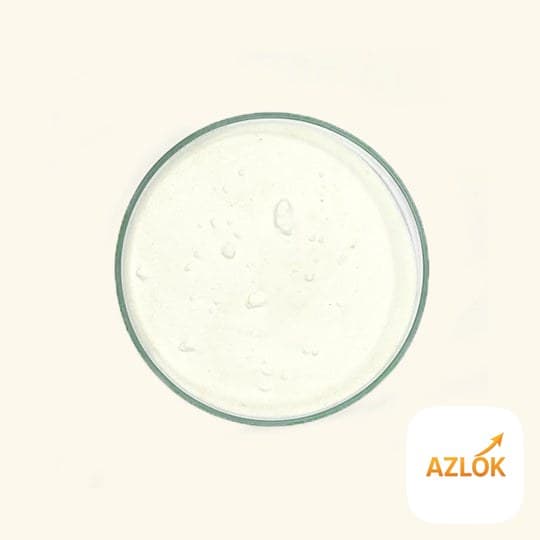

Honey Powder
Minimum Order: 1 units
Description
It is cosmetic grade, off-white to cream in colour, and suited for skincare, haircare, and DIY soap or face-mask formulations. Free from added chemicals; shelf life 2 years.
History & Discovery
Honey is one of the oldest foods people have gathered. A rock painting in the Cuevas de la Araña near Valencia, Spain, thought to be around 8,000 years old, shows a figure collecting honey from a wild hive, and beekeeping was well established in ancient Egypt. In India, honey (madhu) is mentioned in Vedic texts, and collecting wild honey from forest hives is still a livelihood for several communities. Honey powder is a much newer form. Liquid honey is sticky and absorbs moisture from the air, which makes it awkward to measure and mix into dry blends. Drying methods such as spray-drying, developed in the twentieth century, made it possible to turn honey into a powder that pours and blends easily. That is why it now turns up in dry face-mask mixes, scrubs and soap batches.
Scientific & Medicinal Importance
Honey powder is honey dried into a free-flowing powder, usually by spray-drying or vacuum-drying. Because honey is hard to dry on its own, commercial honey powders often include a carrier such as maltodextrin, so check the label or ask us about the composition of a given batch. The powder is off-white to cream with a mild, sweet honey aroma. Honey's solids are mostly sugars, mainly fructose and glucose, with small amounts of other sugars, organic acids and trace minerals. These sugars make it a humectant, meaning it attracts and holds water, which is why formulators add it to skincare for a moisturising feel. The same property makes it hygroscopic: it pulls moisture from the air and can clump if left open. It dissolves readily in water and mixes easily into dry blends such as face-mask powders.
Ayurvedic and Traditional Uses
Honey, known as madhu in Sanskrit, has been part of Ayurvedic practice for centuries. Classical texts such as the Charaka Samhita and Sushruta Samhita discuss it at length. They describe several kinds of honey based on the bees that produce them, advise against heating honey, and mention its use as an anupana, a carrier with which other preparations were taken. Honey has also long been part of Indian home beauty routines, mixed with besan, haldi, malai or rose water in ubtans and face packs. Honey powder offers a dry way to follow this habit. It can be kept in a pre-mixed powder blend and combined with water or rose water just before use. Do a patch test first, use externally only, and consult a doctor if you are pregnant or on medication.
Modern-Day Applications & Benefits
Honey powder is used today in cosmetic formulations including face masks, scrubs, cleansers, shampoos, conditioners, and cold-process or melt-and-pour soaps. A typical usage rate in leave-on skincare is 1–5% and in rinse-off products up to 10%, though formulators should run stability tests for their specific system. Because it is a powder, it disperses evenly into dry-blended products and can be added to the water phase of emulsions after dissolving. Azlok supplies this ingredient from 100 g retail packs up to 25 kg bulk quantities, making it accessible to both individual DIY makers and small cosmetic manufacturers across India.
Why Azlok's Version is Trusted Today
Azlok
Frequently asked questions
What is the INCI name of this Honey Powder?
The INCI name is Honey, Maltodextrin. It is a spray-dried combination of real honey solids and maltodextrin used as a carrier.
Can Azlok Honey Powder be eaten or used in food?
This product is listed as cosmetic grade. It is not certified food grade by Azlok, so it should not be used in food or beverages. Use it only in topical cosmetic formulations.
What is the recommended usage rate for honey powder in a face mask?
A typical usage rate is 1–5% in leave-on products and up to 10% in rinse-off formulations such as face masks or cleansers. Always conduct a patch test before use on skin.
How should Honey Powder be stored?
Store in a cool, dry place away from direct sunlight and humidity. Keep the container tightly closed after each use. Shelf life is 2 years from the date of manufacture when stored correctly.
Is Honey Powder suitable for all skin types?
Honey powder is generally considered suitable for most skin types. However, individuals with known allergies to honey or bee products should avoid it and perform a patch test before incorporating it into any formulation.
Specifications
How to use Honey Powder
Guides covering uses, dilution, safety and storage.