

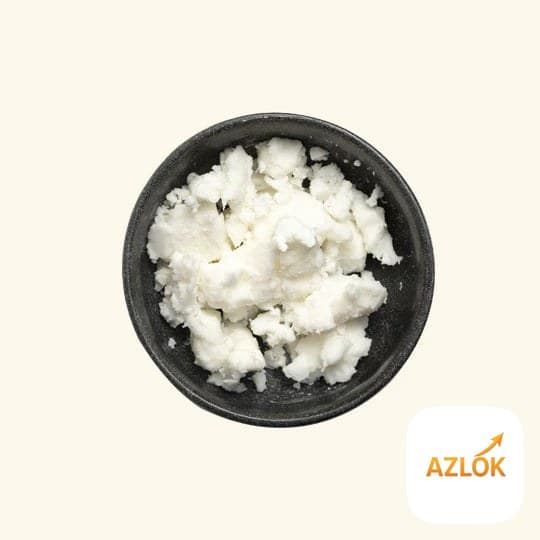

Lemon Butter
Minimum Order: 1 units
Description
Lemon Butter by Azlok is a natural, waxy plant-based butter with a characteristic citrus scent, used in skin and hair care formulations. It is rich in Vitamin E and antioxidants, helps moisturise dry skin, and is free from parabens, sulfates, and preservatives. Melting point ~40°C; CAS No. 90063-86-8.
History & Discovery
Lemon butter is derived from lemon (Citrus limon) fruit components, typically by processing lemon peel or seed fractions with carrier waxes or fats to produce a stable, cosmetic-grade waxy solid. Citrus-derived cosmetic ingredients have been used in traditional skin care across the Mediterranean and South Asia for centuries, where lemon was valued for its cleansing and brightening properties. Modern cosmetic butters such as lemon butter are an evolution of these traditions, refined through cold-processing and fractionation techniques to produce a consistent raw material for formulators. In India, citrus ingredients have long featured in home beauty rituals, and lemon butter brings that familiarity into a stable, ready-to-use cosmetic base.
Scientific & Medicinal Importance
Lemon butter (CAS 90063-86-8) is a waxy solid at room temperature with a melting point of approximately 40°C, making it easy to melt and incorporate into creams, lotions, balms, and soaps. Its saponification value of 170–185 confirms it is suitable for cold-process and hot-process soap making. The free fatty acid content of 13.1 indicates a typical profile for plant-derived butters. It is insoluble in water but blends well with oils and waxes. The flash point of 91°C means it should not be heated near open flames. Vitamin E (tocopherols) present in the butter acts as a natural antioxidant, helping to extend shelf life and protect skin lipids from oxidative damage. The citrus-characteristic odour comes from trace volatile compounds retained during processing.
Modern-Day Applications & Benefits
Lemon butter is widely used by cosmetic formulators and DIY makers in body butters, lip balms, moisturising creams, hair conditioners, and handmade soaps. Its light citrus scent reduces the need for added fragrance in some formulations. Because it is free from parabens, phthalates, sulfates, SLS, and SLES, it suits brands and home makers targeting clean-label or natural product lines. Azlok supplies lemon butter in sizes from 500 g up to 20 kg, making it accessible for both hobbyists and small-scale manufacturers. Store in a cool, dry place away from direct sunlight; shelf life is up to 2 years when stored correctly. Always conduct a patch test before using any new cosmetic ingredient on skin, and keep away from children.
Why Azlok's Version is Trusted Today
Azlok
Frequently asked questions
Is Azlok Lemon Butter safe to apply directly on skin?
Lemon butter is intended as a cosmetic raw material for formulations. While it is free from harsh chemicals, always perform a patch test before direct skin application and dilute in a finished formulation (cream, lotion, or balm) for best results.
Can lemon butter be used in cold-process soap making?
Yes. Its saponification value of 170–185 makes lemon butter compatible with cold-process and hot-process soap making. Use a lye calculator to determine the correct lye amount for the percentage used in your recipe.
What is the melting point and how should I melt lemon butter?
Lemon butter melts at approximately 40°C. Melt it gently using a double boiler or microwave in short bursts, keeping temperature below the flash point of 91°C. Do not heat near open flames.
Is lemon butter edible or food-grade?
No. Azlok Lemon Butter is a cosmetic-grade ingredient intended for external skin and hair care use only. It is not food-grade and should not be ingested.
How should I store lemon butter and what is its shelf life?
Store lemon butter in a cool, dry place away from direct sunlight and heat sources. When stored correctly, shelf life is up to 2 years. Keep the container tightly closed to prevent contamination and oxidation.
Specifications
How to use Lemon Butter
Guides covering uses, dilution, safety and storage.