

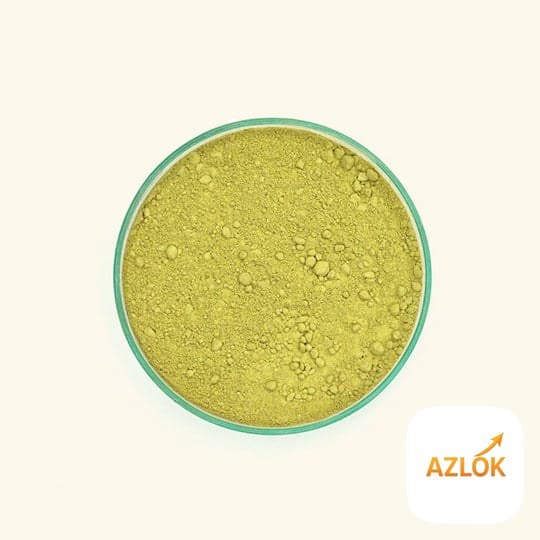

Papaya Leaves Powder
Minimum Order: 1 units
Description
Papaya Leaves Powder (Carica papaya) is a fine herbal powder made from dried papaya leaves. It is used in herbal teas, health supplements, skincare formulations, and haircare products. Rich in papain, flavonoids, and alkaloids, it is widely known in traditional and modern wellness for supporting digestion and platelet health.
History & Discovery
The papaya plant (Carica papaya) is native to the tropical Americas, most likely southern Mexico and Central America, where it was grown long before European contact. In the 16th century, Spanish and Portuguese traders carried papaya seeds across their sea routes to the Caribbean, Africa and Asia. The plant is generally believed to have reached India through Portuguese contact during this period, and it adapted well to the Indian climate. Today India is one of the world's largest papaya growers, and the tree is common in home gardens across the country. Most attention goes to the fruit, but the large, deeply lobed leaves have their own place in regional food and folk traditions. In parts of Southeast Asia, such as Indonesia, young papaya leaves are cooked as a bitter vegetable, and dried leaves are steeped as a herbal drink in many households.
Scientific & Medicinal Importance
Papaya Leaves Powder is made by drying mature leaves of Carica papaya and milling them into a fine green powder. It has a grassy, slightly earthy smell and a distinctly bitter taste. The colour comes mainly from chlorophyll, and the shade can vary from olive to deep green depending on leaf age and drying method. The leaves contain papain and chymopapain, enzymes known for breaking down proteins. This is the same enzyme family that makes papaya useful as a meat tenderiser, and it explains why the powder is added to face packs and scrubs for texture and exfoliation. The leaves also contain flavonoids, phenolic compounds and alkaloids such as carpaine, which is responsible for much of the bitterness. Enzyme activity can drop with heat, moisture and long storage, so keep the powder sealed, cool and dry.
Ayurvedic and Traditional Uses
In Ayurveda, papaya is known as Erand Karkati or Papita, and the leaves are categorised as bitter (tikta) and pungent (katu) in taste, with a heating potency (ushna virya). Classical Ayurvedic texts do not extensively describe papaya leaves since the plant arrived in India after classical text compilation, but later traditional practitioners incorporated it into treatment protocols. Papaya leaf preparations are used in traditional Ayurvedic and folk practice to support liver function, improve digestion (deepana and pachana action), reduce fever, and address skin disorders. It is also considered helpful for regulating menstrual flow.
Modern-Day Applications & Benefits
Today, Azlok's Papaya Leaves Powder is used across several industries. In the food and wellness space, it is consumed as herbal tea or encapsulated as a dietary supplement. In cosmetics, it is added to face masks, scrubs, and hair packs where the enzymatic activity of papain helps gently exfoliate skin and cleanse the scalp. Small businesses and home formulators use it as a natural active ingredient in herbal skincare lines. It is available in bulk packs (up to 25 kg) making it practical for manufacturers. The powder should be stored in a cool, dry place away from moisture and direct sunlight, with a shelf life of two years when stored correctly.
Why Azlok's Version is Trusted Today
Azlok
Frequently asked questions
Can I use Azlok Papaya Leaves Powder to make herbal tea at home?
Yes. Add approximately half a teaspoon (1–2 g) of papaya leaf powder to hot water, steep for 5 minutes, strain, and drink. The taste is bitter; you may add honey to improve palatability. Do not exceed recommended amounts and consult a doctor if you are pregnant, on medication, or have a medical condition.
Is this powder safe to apply directly on skin and hair?
Yes, it is cosmetic grade and can be used in face masks and hair packs. Mix with water, aloe gel, or yoghurt and apply for 15–20 minutes. Do a patch test first as papain can cause irritation on sensitive skin. Avoid contact with eyes.
Does papaya leaf powder really help increase platelet count in dengue?
Some clinical studies from Southeast Asia suggest that papaya leaf extract may support platelet recovery in dengue patients, but research is still ongoing and results are not conclusive. It should not replace medical treatment. Always consult a qualified doctor for dengue management.
What sizes does Azlok offer and which is best for a small business?
Azlok offers 100 g, 500 g, 1 kg, 5 kg, 10 kg, 20 kg, and 25 kg packs. For small cosmetic or herbal supplement businesses, the 1 kg or 5 kg pack is a practical starting point. Larger packs (10–25 kg) suit manufacturers needing bulk quantities at lower per-unit cost.
How should I store papaya leaf powder to keep it fresh?
Store in an airtight container in a cool, dry place away from direct sunlight and moisture. Avoid storing near heat sources. When stored correctly, the shelf life is two years. After opening, use a dry spoon each time to prevent moisture entry.
Specifications
How to use Papaya Leaves Powder
Guides covering uses, dilution, safety and storage.