

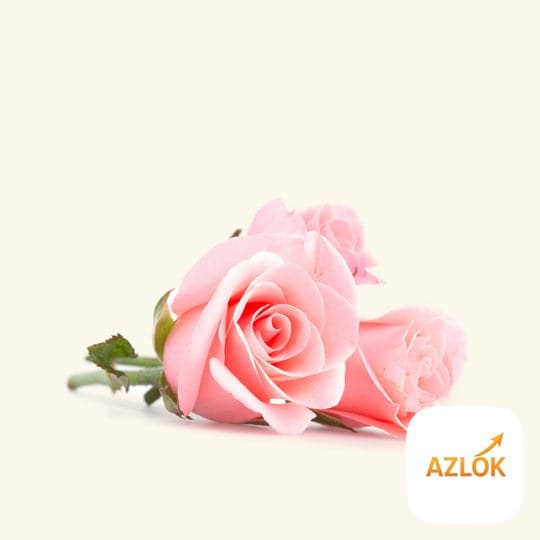

Rose Essential Oil
Minimum Order: 1 units
Description
Rose Essential Oil by Azlok is steam- or solvent-extracted from Rosa damascena petals grown in India. It has a sweet, complex floral scent and is widely used in perfumery, skincare formulations, aromatherapy blends, and DIY cosmetics. Always dilute in a carrier oil before applying to skin.
History & Discovery
Rose oil has been extracted and traded for over a thousand years, with the Damask rose (Rosa damascena) believed to have originated in the Middle East and later cultivated extensively in Bulgaria's Rose Valley and in parts of India. Historical records from Persia and the Mughal court of India document rose water and rose oil as prized luxuries used in perfumes, rituals, and medicine. The solvent-extraction method used for rose absolute became widespread in the 19th and 20th centuries, making it possible to capture the full, complex scent of the fresh petal that steam distillation sometimes cannot fully replicate. India today is a notable producer of Rosa damascena, particularly in Rajasthan and Uttarakhand, and Azlok sources this oil domestically.
Scientific & Medicinal Importance
Rose essential oil (CAS 8007-01-0) is produced here by solvent extraction, yielding what is technically called a rose absolute. Its major constituents typically include citronellol, geraniol, nerol, phenylethyl alcohol, and various esters, which together create its characteristic sweet, complex floral scent. The specific gravity of this oil is 0.918, refractive index 1.518, optical rotation -4 to +2, and flash point 190°C. It is soluble in alcohol and appears colorless to pale yellow. These physicochemical properties are used by formulators to verify oil quality and ensure compatibility in perfume and cosmetic bases. The shelf life is approximately two years when stored in a cool, dark place away from direct sunlight.
Ayurvedic and Traditional Uses
In Ayurvedic tradition, Rosa damascena (known as Shatapari or Taruni) is considered cooling (sheetala) in nature and is associated with balancing Pitta dosha. Rose is referenced in classical Ayurvedic texts for its use in formulations targeting skin care, mental calmness, and mild inflammatory conditions. Rose water (Gulab Jal) is far more commonly used in Ayurvedic practice than the concentrated essential oil; the oil itself should never be ingested and must always be diluted before topical use. Practitioners have traditionally incorporated rose in ubtan (face packs), toners, and medicated oils aimed at nurturing sensitive and dry skin types.
Modern-Day Applications & Benefits
In modern cosmetic and fragrance formulation, rose absolute is one of the most valuable and widely used ingredients. It blends well with geranium, sandalwood, vetiver, and frankincense essential oils, making it a versatile heart or base note in fine perfumes. In skincare, it is typically incorporated at 0.5–2% dilution in face serums, creams, and facial oils for its moisturising and skin-conditioning properties. Aromatherapists use it in diffusers and massage blends, often citing its calming effect on the nervous system, though these claims should not be taken as medical treatment. Azlok offers this oil from 100 g up to 25 kg, catering to both individual DIY makers and small-scale cosmetic or fragrance manufacturers.
Why Azlok's Version is Trusted Today
Azlok
Frequently asked questions
Is this rose oil pure and undiluted?
This is a rose absolute produced by solvent extraction from Rosa damascena petals. It is supplied as-is and should be diluted in a carrier oil (such as jojoba or sweet almond) at 1–3% before any skin application.
What is the difference between rose absolute and rose essential oil?
Rose absolute is extracted using chemical solvents, capturing a fuller, more true-to-flower scent. True rose essential oil is steam-distilled. Absolutes are more common in perfumery; both are used in cosmetics. This product is a solvent-extracted absolute, as stated in the specifications.
Can I ingest or consume this rose oil?
No. This rose essential oil/absolute is not food-grade and must not be ingested. It is intended for external use in cosmetics, perfumery, and aromatherapy only. Keep out of reach of children.
How should I store rose essential oil to maximise its shelf life?
Store in a tightly sealed dark glass bottle in a cool, dry place away from direct sunlight and heat. Properly stored, the oil retains its quality for up to two years. Avoid leaving the cap open for long periods to prevent oxidation.
What carrier oils or essential oils does rose oil blend well with?
Rose oil blends well with geranium, sandalwood, vetiver, and frankincense essential oils. For skin application, dilute it in carrier oils such as jojoba, rosehip, sweet almond, or argan oil at a concentration of 1–3%.
Specifications
How to use Rose Essential Oil
Guides covering uses, dilution, safety and storage.