Cocamidopropyl Betaine (CAPB): What It Is and How to Use It in DIY Cleansers

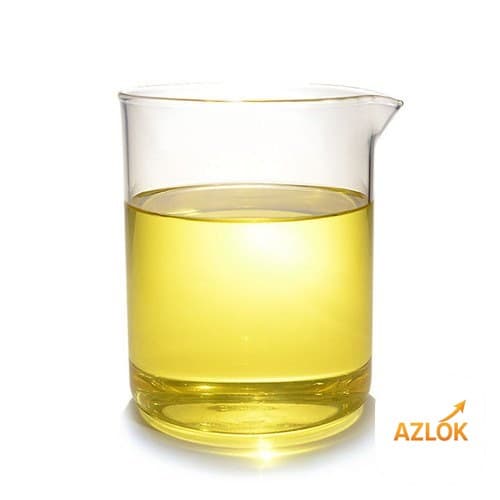
Cocamidopropyl Betaine (CAPB) is a mild, coconut-derived surfactant used to create foam, clean gently and thicken liquid cleansers. If you make your own shampoo, face wash, shower gel or hand soap at home, it is one of the most useful secondary surfactants you can keep on the shelf. Azlok stocks it as a pale yellow, water-soluble liquid in packs from 500 grams up to 25 kilograms.
What is CAPB and where does it come from?
CAPB is made from the fatty acids in coconut oil. The oil is reacted with dimethylaminopropylamine at high temperature to produce the finished surfactant. The result is a viscous, transparent, light-yellow liquid with a characteristic mild odour. Because it is amphoteric (it carries both positive and negative charges), it works well alongside harsher primary surfactants and helps make a formula feel milder on skin and hair.
A few quick specs worth noting: CAS number 61789-40-0, chemical formula C19H38N2O3, HLB value around 13.4, and a shelf life of roughly 24 months when stored properly. It dissolves easily in water, which makes it simple to blend into cold-process liquid formulas.
Common uses
CAPB is rarely used on its own. It is a secondary surfactant that supports and softens the action of stronger cleansers. You will find it in:
- Shampoos — for creamy lather and reduced scalp irritation
- Body washes and shower gels — richer, more stable foam
- Face washes and micellar cleansers — gentle daily cleansing
- Hand washes and liquid soaps — better bubbles and mild feel
- Baby-care and sensitive-skin cleansers — as a milder co-surfactant
- Bubble bath and shaving products — foam boosting
Besides foaming, it also helps thicken formulas (especially when paired with salt or with anionic surfactants like SLES) and acts as a mild emulsifier.
How to use it in a formula
Typical usage is around 5% to 15% of the total formula, depending on the product and the primary surfactant you pair it with. A simple approach:
- Weigh your water phase into a clean container.
- Add your primary surfactant and let it dissolve without whipping in air.
- Stir in CAPB gently.
- Adjust pH to a skin-friendly range (usually 4.5–5.5 for wash-off products) using citric acid solution.
- Thicken with a little salt if needed, then add preservative and fragrance last.
Always add your preservative — CAPB is water-based and any product containing water needs protection against microbial growth. Stir slowly to avoid creating unnecessary foam while mixing.
Safety and handling
CAPB supplied here is technical grade for use as a cosmetic raw ingredient, not for eating. Keep these points in mind:
- Do not ingest. Store away from food and out of reach of children.
- Rinse-off products only unless your final formula has been properly designed and pH-adjusted.
- Concentrated surfactants can irritate eyes and skin — wear gloves and rinse splashes with plenty of water.
- If you have sensitive skin, patch-test your finished product before regular use.
- Work in a ventilated space and label your bottles clearly.
Buying and storage tips
Choose your pack size by how often you make products: 500 grams or 1 kilogram suits hobbyists, while 5 to 25 kilogram drums make sense for small businesses. Store CAPB in a tightly closed container, away from direct sunlight and extreme heat, ideally at cool room temperature. Kept this way it stays usable for about 24 months. If the liquid thickens slightly in cold weather, gentle warming and stirring usually restores it.
Azlok supplies CAPB with COA and MSDS documentation, which is useful if you sell finished products and need to keep ingredient records.
FAQ
Is Cocamidopropyl Betaine natural?
It is derived from coconut oil but is chemically processed, so it is best described as naturally derived rather than fully natural. It is widely accepted as a mild surfactant in personal-care formulations.
Can I use CAPB as the only surfactant?
You can, but it foams and cleans best as a co-surfactant paired with a primary one such as SLES or a sulphate-free alternative. Used alone it gives weaker cleansing and lather.
What percentage of CAPB should I use?
Most rinse-off formulas use between 5% and 15%. Start on the lower side, test the lather and feel, then adjust.
Does CAPB thicken shampoo?
Yes. It boosts viscosity on its own and works even better when combined with salt and anionic surfactants, giving a fuller, more pourable product.
Is CAPB safe for the skin?
In correctly formulated, pH-balanced rinse-off products it is considered mild. Because it is a concentrated raw material, handle it with care, do not ingest it, and patch-test your finished product.