

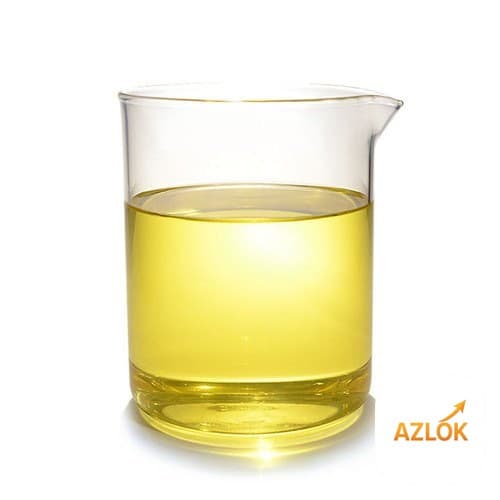

Cocamidopropyl Betaine (CAPB)
Minimum Order: 1 units
Description
Cocamidopropyl Betaine (CAPB) is a mild amphoteric surfactant and foaming agent derived from coconut oil, widely used in shampoos, shower gels, face washes, and personal care formulations. It is a pale yellow, water-soluble liquid that enhances lather, acts as a thickener, and helps reduce the irritation potential of harsher surfactants.
History & Discovery
Cocamidopropyl Betaine was developed in the mid-20th century as formulators sought milder alternatives to traditional soap-based and anionic surfactants. Its name reflects its origin: 'coco' from coconut oil, 'amidopropyl' from the chemical linkage, and 'betaine' from the zwitterionic (amphoteric) character of the molecule. By the 1980s and 1990s, CAPB had become a standard ingredient in rinse-off personal care products globally, replacing harsher surfactants in formulations targeting sensitive skin and baby care. India's cosmetics and personal care manufacturing sector adopted CAPB widely as demand for sulfate-reduced and mild-cleansing products grew. Today it is produced domestically and used by small indie formulators as well as large FMCG manufacturers across the country.
Scientific & Medicinal Importance
CAPB is an amphoteric surfactant with the chemical formula C19H38N2O3 (CAS No. 61789-40-0) and a molecular weight of 342.5 g/mol. Being amphoteric, it carries both a positive and a negative charge depending on pH, which allows it to be compatible with anionic, cationic, and nonionic surfactants. This broad compatibility makes it a versatile co-surfactant. It is manufactured by hydrolyzing coconuts to obtain coconut oil, then reacting the fatty acids with dimethylaminopropylamine (DMAPA) at high temperature to yield the final betaine compound. Key physical properties: pale yellow viscous liquid, pH approximately 4.74, HLB value 13.4, flash point 93–100°C, boiling point approximately 650°C, fully soluble in water, and stable for up to 24 months under recommended storage conditions. The active content in typical CAPB solutions is around 30–35%. It functions simultaneously as a surfactant, foam booster, viscosity builder, and mild antistatic agent.
Modern-Day Applications & Benefits
CAPB is one of the most widely used secondary surfactants in modern cosmetic formulation. It is added to shampoos, conditioners, body washes, face washes, baby cleansers, shaving gels, and liquid hand soaps typically at 2–10% of the total formula. Its primary role is to boost the foam quality of primary surfactants like SLS or SLES while simultaneously reducing their skin and eye irritation. In sulfate-free formulations, it is often paired with sodium cocoyl isethionate or decyl glucoside to provide cleansing performance. Azlok offers CAPB in sizes ranging from 500g to 25kg, making it accessible to home DIY formulators as well as commercial manufacturers. Store in a cool, dry place away from direct sunlight. Keep tightly sealed to prevent contamination. Do not ingest. Avoid contact with eyes; if contact occurs, rinse thoroughly with water. Wear gloves when handling bulk quantities. Keep out of reach of children. While CAPB is considered mild, some individuals may develop contact sensitization; always conduct a patch test in finished formulations before broad use.
Why Azlok's Version is Trusted Today
Azlok
Frequently asked questions
What is Cocamidopropyl Betaine (CAPB) used for?
CAPB is used as a surfactant, foaming agent, viscosity builder, and co-surfactant in shampoos, body washes, face washes, liquid soaps, and other rinse-off personal care products. It boosts foam and helps reduce irritation caused by stronger surfactants.
At what percentage should CAPB be added to a formulation?
CAPB is typically used at 2–10% of the total formula weight. For most shampoos and body washes, 4–8% is a common usage range. Always check your specific formula requirements.
Is CAPB safe for sensitive skin and baby products?
CAPB is considered mild and is commonly used in sensitive skin and baby care formulations. However, some individuals may develop contact sensitization. A patch test on the finished product is always recommended before widespread use.
Is the CAPB sold by Azlok food-grade or edible?
No. The CAPB available on Azlok is technical grade and is intended strictly for cosmetic and personal care manufacturing. It is not food-grade and must not be ingested.
How should CAPB be stored?
Store CAPB in a tightly sealed container in a cool, dry place away from direct sunlight and heat. Shelf life is 24 months under recommended conditions. Keep out of reach of children and away from food and beverages.
Specifications
Documents
Safety data sheet not yet published for this product — request one below and we will email it.
How to use Cocamidopropyl Betaine (CAPB)
Guides covering uses, dilution, safety and storage.