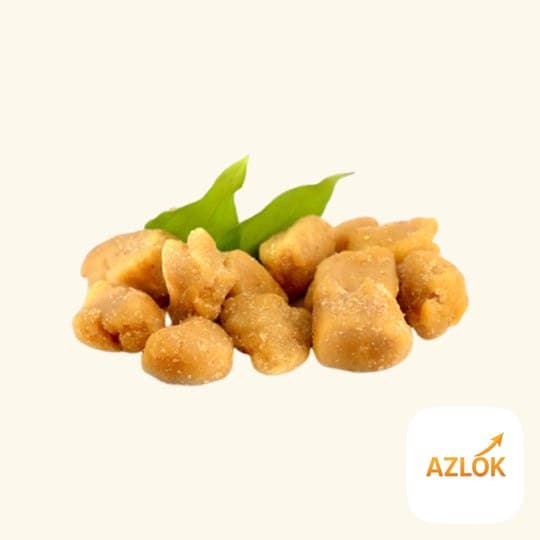

Hing essential oil is a steam-distilled oil obtained from the resin of the Ferula asafoetida plant, known in India as hing. It carries a strong, sulfurous, pungent aroma and is used mainly in aromatherapy blends and diluted skincare for oily, acne-prone skin. It is meant strictly for external use — never swallow it, and always dilute before applying.
What is Hing essential oil?
The oil comes from the gum resin of the asafoetida plant, the same source that gives you the familiar cooking spice. Through steam distillation, the volatile aromatic fraction is separated out to make a pale yellow to golden, clear liquid. Typical asafoetida resin contains around 10–17% volatile oil, along with resin, gum and ash, and it is this small volatile portion that concentrates into the essential oil.
In traditional Ayurvedic practice, hing has long been valued for digestive comfort and its warming, cleansing character. As an essential oil, it is generally used aromatically or in well-diluted topical blends rather than in food.
Common uses
- Oily and acne-prone skin: When properly diluted, it is used in facial blends aimed at congested, oily skin.
- Soothing blends: A drop or two can be added to a carrier oil for a warming massage blend.
- Aromatherapy and room blends: Its bold, savoury note is used sparingly to add depth to diffuser and fragrance blends.
- DIY formulations: Small makers use it as a single accent note because a little goes a long way.
How to use it
Hing oil is potent, so restraint matters. A few pointers:
- Always dilute. Mix it into a carrier oil such as coconut, jojoba or sweet almond before it touches skin. A typical safe range is around 1–2% dilution — that is roughly 1 to 2 drops per teaspoon of carrier oil.
- Patch test first. Apply the diluted blend to a small area on your inner arm and wait 24 hours to check for redness or irritation.
- Use sparingly in diffusers. One drop is usually enough, often blended with brighter oils to soften its intensity.
- Avoid sun exposure on freshly treated skin.
What it blends with
The aroma is dominant, so pair it with equally characterful oils. It blends well with cardamom, basil, garlic and onion essential oils. Cardamom in particular helps round off the sharpness.
Safety notes
Please treat this as a concentrated ingredient, not a casual product.
- External use only. Do not ingest it.
- Dilute before topical use and never apply neat to skin.
- Do a patch test every time you try a new blend.
- Keep away from children and pets and store out of reach.
- Pregnant or breastfeeding women should consult a doctor before use.
- Keep away from open flames during use; the flash point is around 250°F.
This article is for general information and is not medical advice. If you have a skin condition or are on medication, speak to a qualified practitioner first.
Buying and storage tips
Look for clear labelling of the botanical name (Ferula asafoetida), extraction method and shelf life. Azlok's Hing essential oil is steam distilled, sourced in India, and offered in sizes from 50 gm up to bulk 10 kg packs, so both hobbyists and small businesses can buy what they need. Pricing starts at ₹349.
To keep the oil in good condition:
- Store in a tightly closed, dark glass bottle away from light and heat.
- Keep the cap sealed to slow oxidation — the strong aroma will otherwise permeate nearby items.
- Use within the stated shelf life of about 2 years for best quality.
- Store the bottle upright in a cool, dry cupboard.
FAQ
Can I eat Hing essential oil like cooking hing?
No. The essential oil is a concentrated, external-use product and should not be consumed. For cooking, use culinary hing (compounded asafoetida powder) instead.
How much should I dilute it for skin?
A common guideline is 1–2% dilution, roughly 1 to 2 drops of essential oil per teaspoon of carrier oil such as jojoba or coconut. Always patch test before wider use.
Why does it smell so strong?
The oil is rich in sulfur-containing volatile compounds, which give hing its signature pungent, savoury aroma. Blending it with cardamom or basil helps soften the intensity.
Which skin type suits it best?
It is generally used in blends for oily and acne-prone skin. If your skin is sensitive or dry, go slow, dilute well and monitor how it responds.
How should I store it?
Keep it in a sealed dark glass bottle, away from sunlight and heat, and use it within about two years for best results.