

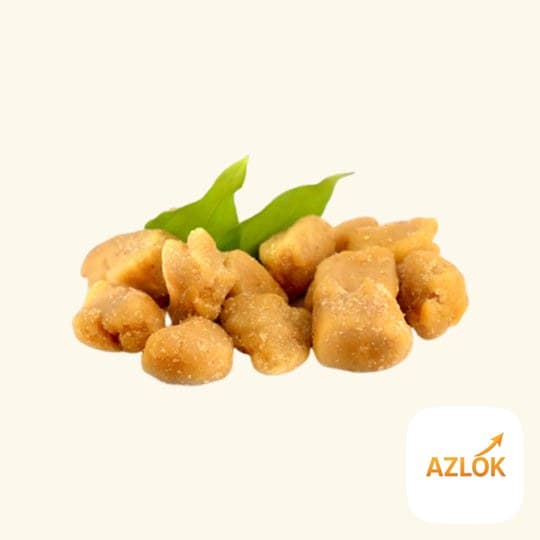

Hing Essential Oil
Minimum Order: 1 units
Description
Hing Essential Oil is steam-distilled from the resin of Ferula assa-foetida and carries a strong, sulfurous, pungent aroma. CAS# 9000-04-8. For external use only; always dilute before applying.
History & Discovery
Hing, or asafoetida, comes from the dried oleo-gum resin of Ferula assa-foetida, a tall perennial plant native to the dry, mountainous regions of Iran and Afghanistan. The resin has been traded along overland routes into India for centuries, and the Sanskrit name 'hingu' shows how long it has been known here. In India it became a staple in kitchens, especially in vegetarian cooking, and has been part of Ayurvedic practice for centuries. In Europe its powerful smell earned it the nickname 'devil's dung'. For most of its history, hing was used as raw resin or as a compounded powder. Steam distilling the resin into an essential oil came much later. Today the oil is a specialty material, valued by perfumers and fragrance blenders for its intense sulfurous note.
Scientific & Medicinal Importance
Hing essential oil is obtained by steam distillation of the oleo-gum resin of Ferula assa-foetida. Its major volatile constituents include organosulfur compounds such as 2-butyl propenyl disulfide and other polysulfides, which account for its intense, sulfurous odour. The oil has a specific gravity of 0.906–0.922 at 20°C, a refractive index of 1.4900–1.5100 at 20°C, and an optical rotation of -22.6. It is pale yellow to golden yellow in colour and is soluble in alcohols and fixed oils. The flash point is 250°F, making it relatively safe from a fire-hazard standpoint at room temperature, but it should still be stored away from heat and open flame. The whole resin from which the oil is derived typically contains 40–64% resin, around 25% gum, 10–17% volatile oil, and 1.5–10% ash.
Ayurvedic and Traditional Uses
In Ayurveda, hing (asafoetida) is classified as having a pungent (katu) taste and heating (ushna) potency, making it particularly useful for balancing Vata and Kapha doshas. It is described in classical texts as a digestive stimulant (deepana) and carminative (pachana), prescribed to relieve abdominal pain, bloating, and flatulence. Topically, Ayurvedic practitioners have used hing preparations on inflamed skin and in formulations targeting respiratory congestion. The essential oil represents a modern, concentrated form that retains many of these volatile active principles, though it must always be diluted before topical application.
Modern-Day Applications & Benefits
Today, Hing Essential Oil is used mostly by perfumers and fragrance blenders as a trace ingredient. Its sulfurous, garlic-like note is far too strong to use on its own. A drop or less in a larger blend can add depth and a savoury, earthy edge to spicy, oriental and resinous accords. DIY formulators sometimes add very small amounts to massage oil blends or handmade soap for a warm, spicy background note. It is usually paired with oils like ginger, black pepper or patchouli, which soften it. The aroma clings to hands, glass and fabric, so measure with a dropper and work in a well-ventilated area. Dilute well in a carrier oil, patch test before any skin use and keep it for external use only.
Why Azlok's Version is Trusted Today
Azlok
Frequently asked questions
How should I dilute Hing Essential Oil before applying it to skin?
Dilute Hing Essential Oil to about 1–2% in a carrier oil such as coconut, jojoba, or almond oil before applying to skin. For a 1% dilution, mix roughly 5–6 drops of essential oil per 30 ml of carrier oil. Always do a patch test on a small area of skin and wait 24 hours before wider use.
Is Hing Essential Oil safe to ingest or use in cooking?
No. Hing Essential Oil sold by Azlok is not food-grade and is intended strictly for external use only. Do not ingest it. If you need asafoetida for cooking, use food-grade hing powder or compounded hing.
Which essential oils blend well with Hing Essential Oil?
Hing Essential Oil blends well with cardamom, garlic, onion, and basil essential oils. These combinations are used by formulators creating digestive-support or herbal skincare blends. Because of its very strong odour, use hing oil in small proportions within any blend.
Can pregnant women use Hing Essential Oil?
Pregnant women should consult a qualified doctor before using Hing Essential Oil. Asafoetida in any concentrated form has traditionally been avoided during pregnancy, and there is insufficient safety data on topical essential oil use during pregnancy.
How should I store Hing Essential Oil, given its strong smell?
Keep the bottle tightly capped in a cool, dark place, away from direct sunlight and heat. Store it out of reach of children. Because the sulfurous aroma travels easily, it helps to keep the bottle in a separate sealed container or zip bag, away from food and other oils. Wipe the bottle neck after each use.
Specifications
How to use Hing Essential Oil
Guides covering uses, dilution, safety and storage.