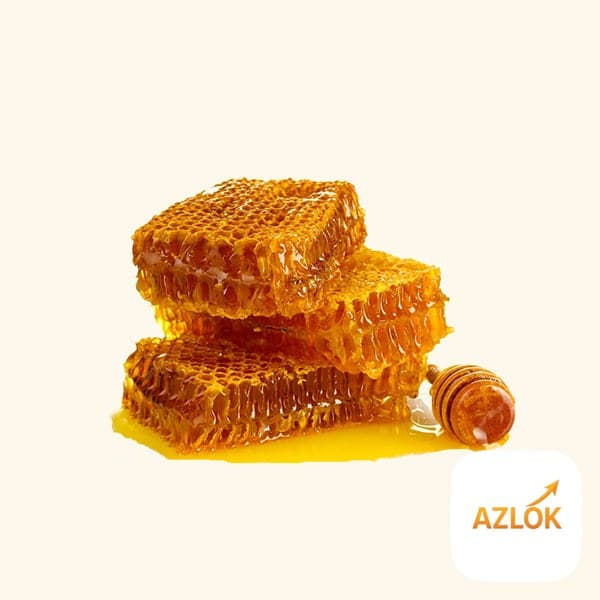
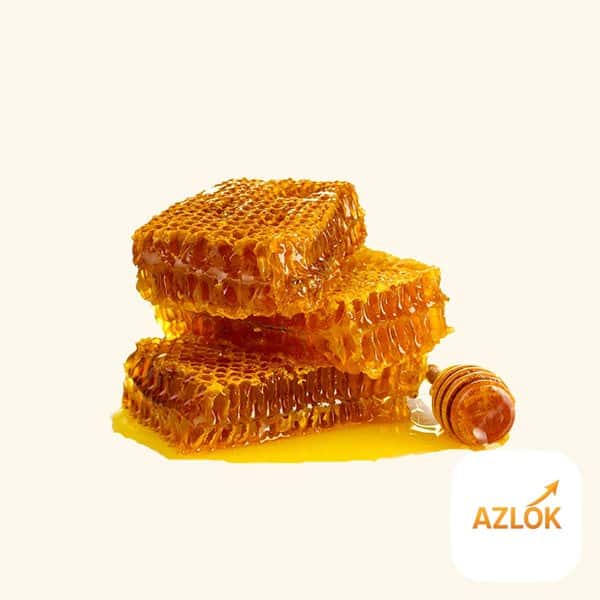
Honey Fragrance Oil is a scent oil that gives your candles, soaps, diffusers and incense a warm, sweet, golden-honey aroma. It is made for fragrance use only, not for eating, and a little goes a long way, so you add it in small measured amounts to your base material. Azlok Honey Fragrance Oil is sourced for purity and consistency, and comes in sizes from 100 grams up to 20 kilograms for both hobby and bulk work.
What Honey Fragrance Oil Smells Like
Think of the cosy, rounded sweetness of real honey without the stickiness. The aroma is rich and long-lasting, with a smooth, comforting character that pairs well with vanilla, oatmeal, milk, almond and warm spice notes like cinnamon. It works beautifully on its own too, especially in autumn and winter blends.
Common Uses
- Candles: Adds a warm, inviting throw to soy, beeswax, paraffin and blended waxes.
- Soaps: Suits cold-process and melt-and-pour soaps, bath bars and body washes.
- Diffusers: Use in reed diffuser bases or add a few drops to an electric or water diffuser designed for fragrance oils.
- Incense: Dip or blend into incense sticks and cones.
- Home and personal care: Room sprays, wax melts, lotions and other leave-on or wash-off products formulated for fragrance oils.
How to Use It: Simple Dosing Guide
Always weigh your fragrance rather than guessing, and start on the lower side. You can adjust up in your next batch.
- Candles: Typically 6 to 10 percent of the wax weight, depending on the wax. For 100 g of wax, that is roughly 6 to 10 g of oil. Add at the correct temperature for your wax, stir gently for a minute or two, then pour.
- Cold-process soap: Around 3 to 5 percent of oil weight. Test a small batch first, as honey-type scents can behave differently across recipes.
- Melt-and-pour soap: About 1 to 3 percent, added once the base has cooled slightly.
- Reed diffusers: Roughly 15 to 25 percent fragrance in a suitable diffuser base or carrier.
- Room sprays: Follow your spray base instructions; a few percent is usually enough.
Give candle blends a proper cure of a week or more before judging the scent throw. Fresh pours rarely smell their best straight away.
Safety Notes
Fragrance oils are concentrated, so handle them with care.
- Do not ingest. This is not a food flavouring or edible honey product.
- Patch-test any skin product before regular use, and always keep to recommended usage percentages for leave-on items.
- Keep away from children and pets, and store away from open flames.
- Work in a ventilated area and avoid direct contact with eyes. Wash hands after handling.
- Undiluted oil can mark surfaces, so wipe spills promptly and protect your work table.
Buying and Storage Tips
Choose your size to match how often you make. A 100 g bottle is ideal for trying a few candle or soap batches, while 1 kg and larger packs suit regular makers and small businesses. The 5 kg to 20 kg options are meant for bulk production runs.
- Store in a cool, dark place with the cap tightly closed. Heat and sunlight can weaken the aroma over time.
- Keep it away from plastics that are not fragrance-safe, as strong oils can react with some containers.
- Label your bottles with the name and date once opened.
- Buy from a reliable source for batch-to-batch consistency. Azlok stocks Honey Fragrance Oil in graded sizes so you can scale up without changing the scent profile.
FAQ
Is Honey Fragrance Oil made from real honey?
No. It is a scent oil crafted to recreate the aroma of honey. It is for fragrance applications only and is not edible.
How much should I use in candles?
A common range is 6 to 10 percent of the wax weight. Start lower, weigh accurately, and adjust in your next batch based on the scent throw.
Can I use it directly on my skin?
Only when properly diluted in a suitable, skin-safe base and within recommended usage levels. Always patch-test first and never apply the neat oil to skin.
Will the scent fade quickly?
It is a long-lasting aroma, but proper storage matters. Keep it sealed, cool and away from light, and let candles cure before judging the strength.
Which size should I buy?
Pick 100 g for testing and small projects, 500 g to 1 kg for regular hobby use, and 5 kg upwards for bulk or commercial production.