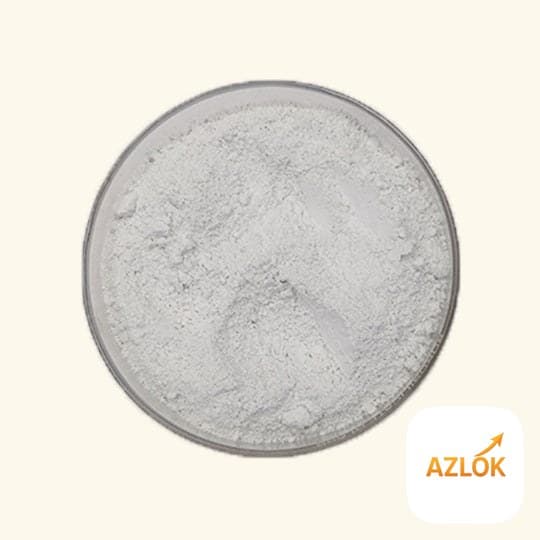

Kaolin clay powder, also called china clay or white clay, is a soft, pH-neutral mineral clay rich in kaolinite. It is one of the gentlest clays available, which makes it a good choice for face masks, mild exfoliation, hair care and homemade cosmetics — especially if your skin is sensitive or on the drier side.
What is kaolin clay?
Kaolin is a naturally occurring clay made up of layered silicate minerals. Because it is fine, white and neutral in pH, it draws out excess oil and impurities without stripping the skin the way stronger clays sometimes can. Azlok's Kaolin Clay Powder is around 98% pure, artificial-colour free and comes in packs from 500 g right up to 25 kg, so it suits both home users and small cosmetic businesses.
Common uses
- Face masks: Absorbs surface oil, tidies up dull skin and gives a smoother feel.
- Gentle exfoliation: The fine texture helps buff away dead skin cells softly.
- Cleansing: Works as a mild face and body cleanser in powder form.
- Hair and scalp: Used in hair masks and dry shampoos to reduce oiliness and add volume.
- DIY cosmetics: A popular base in soaps, bath bombs, tooth powders and mineral-style makeup.
How to use kaolin clay
For a simple face mask, mix about one tablespoon of kaolin clay with enough water, rose water or plain yoghurt to form a smooth, spreadable paste. Use a non-metal bowl and spoon, as reactive metals can interfere with the clay.
- Cleanse your face and pat it dry.
- Apply an even layer, avoiding the eye area.
- Leave it on for 10–15 minutes. Kaolin is mild, so you do not need to let it dry rock-hard.
- Rinse off with lukewarm water and follow with a moisturiser.
Once or twice a week is plenty for most people. For a scalp treatment, blend the clay with water or aloe vera gel, massage into the scalp, wait a few minutes and rinse well.
Tips and safety notes
- Patch-test first: Apply a little on your inner arm and wait 24 hours before using on your face.
- Don't over-dry: Rinse before the mask cracks tightly to avoid tightness or irritation.
- Keep it comfortable: If you have very dry skin, mix the clay with a hydrating liquid like milk, yoghurt or honey rather than plain water.
- Cosmetic use: This is a cosmetic and craft ingredient. It is not meant to treat medical skin conditions. Do not ingest it, and keep it away from children.
- Mind the dust: The powder is very fine. Mix it slowly to avoid breathing in airborne dust.
Buying and storage
Choose your pack size based on how often you use it — a 500 g pack lasts a long time for occasional home masks, while soap and cosmetic makers usually prefer the larger 5 kg to 25 kg options. Store the powder in an airtight container in a cool, dry place, away from moisture and direct sunlight. Kept dry, kaolin clay stays good for about two years. Always use a clean, dry spoon so no water gets into the main container and causes clumping.
FAQ
Is kaolin clay good for sensitive skin?
Yes. Kaolin is one of the mildest clays, with a neutral pH and low absorbency compared to stronger clays, which makes it a common choice for sensitive and dry skin. Still, do a patch test before regular use.
How often can I use a kaolin clay mask?
Once or twice a week works well for most skin types. If your skin feels tight or dry, cut back and mix the clay with a hydrating ingredient like yoghurt or honey.
Can kaolin clay be used on hair?
Yes. It is used in hair and scalp masks and in dry shampoos to absorb excess oil and add volume. Mix with water or aloe vera gel, apply to the scalp, then rinse thoroughly.
Is Azlok's kaolin clay pure?
Azlok's Kaolin Clay Powder is around 98% pure, white in colour and free from artificial colours, suitable for skincare, cosmetics, toothpaste and hair products.
Can I eat kaolin clay?
No. This is a cosmetic and craft-grade ingredient meant for external use only. Do not ingest it and keep it out of reach of children.