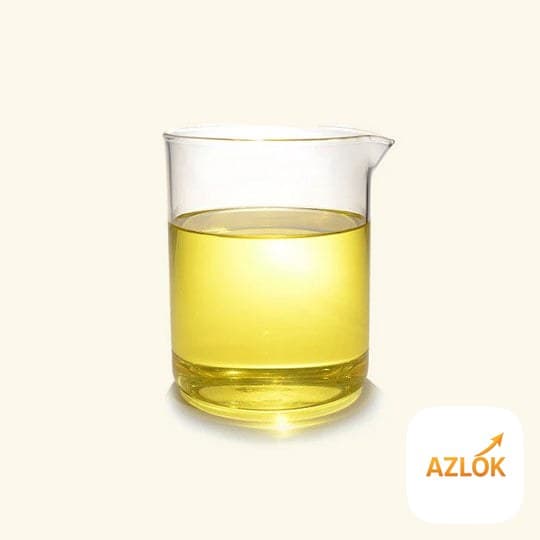

Lauryl Glucoside is a mild, plant-derived surfactant made from glucose (sugar) and lauryl alcohol sourced from coconut oil. It cleanses and produces a soft, creamy foam, which is why it is a favourite base ingredient in gentle shampoos, face washes, body washes and baby-care formulas. Because it is generally classified as a non-ionic surfactant, it plays well with other cleansing agents and helps improve their foam and feel.
What is Lauryl Glucoside?
It is a clear to light-yellow liquid with a faint odour, fully water-soluble, and derived from renewable raw materials. The manufacturing route is simple in principle: lauryl alcohol (a fatty alcohol from coconut) reacts with glucose to form the glucoside. This gives you a cleansing agent that is far milder than harsh sulphates, while still lifting away dirt and oil.
Quick specifications for the Azlok grade:
- CAS Number: 59122-55-3
- IUPAC name: Dodecyl β-D-glucopyranoside
- Also known as: Dodecyl glucoside, Lauryl polyglucoside, Lauryl glucose
- Molecular weight: 348.48 g/mol
- pH: 5.5 to 6.5
- HLB value: 13
- Form: Liquid | Purity: 99% | Grade: Technical
- Shelf life: 24 months
Common uses in cosmetics
Lauryl Glucoside is a workhorse for anyone making their own personal-care products at home or on a small commercial scale. Typical applications include:
- Shampoos and hair cleansers — for a soft, low-irritation lather.
- Face washes and cleansing gels — its mildness suits sensitive and combination skin.
- Body washes and shower gels — often paired with a co-surfactant for richer foam.
- Baby and toddler care — where gentleness matters most.
- Foaming hand washes and micellar-style cleansers.
Its HLB of around 13 also makes it useful as an o/w emulsifier and foam booster when blended with other surfactants.
How to use it
Lauryl Glucoside is easy to work with because it is water-soluble and does not need heating for most cold-process formulas. A practical starting method:
- Weigh your water phase and add Lauryl Glucoside slowly to avoid excess foaming.
- Stir gently until fully dissolved and uniform.
- Blend with a secondary surfactant (such as a coco-based one) to build foam and lower irritation further.
- Add your actives, preservative and fragrance last.
- Check the final pH and adjust to a skin-friendly range, roughly 4.5–5.5 for leave-on skin and 5–6 for rinse-off products.
Usage levels vary by product, but rinse-off cleansers often use surfactants in the range of a few percent up to around 30–40% of the total formula. Always begin with small test batches and scale up once you are happy with the foam, feel and clarity.
Safety and handling
Lauryl Glucoside is considered a mild surfactant, but sensible care still applies:
- This is a technical-grade cosmetic raw material. Do not ingest.
- Always patch-test your finished product on a small area of skin before regular use.
- Avoid direct contact with eyes; concentrated surfactant can sting. Rinse well with water if this happens.
- Use a proper cosmetic preservative in any water-based formula to prevent microbial growth.
- Keep containers out of reach of children and pets.
- Work in a clean, well-ventilated space and wear gloves when handling concentrates.
- Refer to the product's COA and MSDS for full handling details.
Buying and storage
Azlok offers Lauryl Glucoside from 100 GM starter packs right up to 25 KG bulk sizes, starting at ₹199, so hobbyists and small businesses can both find a suitable quantity. For your first attempts, the 100 GM or 500 GM pack is plenty to trial a few recipes.
Store it in a tightly closed container, away from direct sunlight and heat, at cool room temperature. Kept this way, it holds up well within its 24-month shelf life. Label the container with the date opened, and always use clean, dry utensils to avoid contamination.
FAQ
Is Lauryl Glucoside safe for skin?
It is regarded as one of the milder cleansing surfactants and is widely used in gentle face washes and baby products. Still, patch-test your finished formula, keep the pH skin-friendly and use it at recommended levels.
What is Lauryl Glucoside made from?
It is made from renewable raw materials — glucose from sugar and lauryl alcohol derived from coconut oil — making it a plant-based surfactant.
Does Lauryl Glucoside foam well on its own?
It produces a soft, creamy foam but is often combined with a co-surfactant to boost lather and thickness in shampoos and body washes.
Can I use Lauryl Glucoside in shampoo?
Yes. It is a common base surfactant in mild, low-irritation shampoos, usually blended with other coco-based surfactants for the desired feel.
What pH should my final cleanser be?
Aim for roughly 4.5–5.5 for leave-on skin products and 5–6 for rinse-off cleansers, adjusting after the full formula is mixed.