

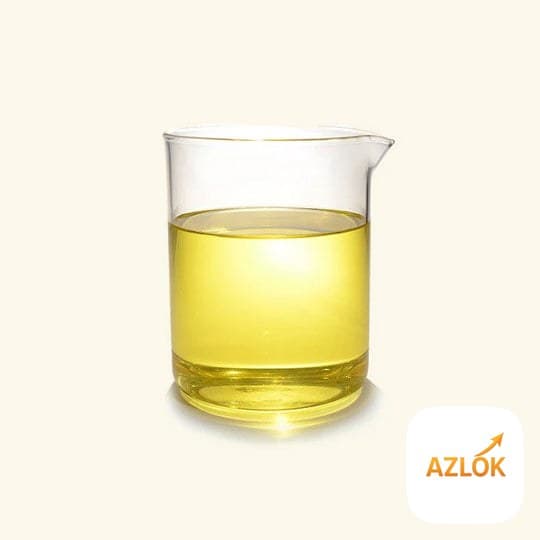

Lauryl Glucoside
Minimum Order: 1 units
Description
Lauryl Glucoside (Dodecyl Glucoside, CAS 59122-55-3) is a mild, plant-derived non-ionic surfactant made from glucose and coconut-derived lauryl alcohol. It is a clear to light-yellow odourless liquid, water-soluble, pH 5.5–6.5, and used in shampoos, body washes, and facial cleansers as a gentle foaming and emulsifying agent.
History & Discovery
Alkyl polyglucosides (APGs), the family to which Lauryl Glucoside belongs, were first studied commercially in the 1980s as the personal-care industry sought milder, biodegradable alternatives to petroleum-derived sulfate surfactants. Lauryl Glucoside is synthesised by reacting lauryl alcohol (a C12 fatty alcohol derived from coconut oil) with glucose obtained from corn or sugar sources — a process known as Fischer glycosylation. Because both feedstocks are renewable, the ingredient became popular in the green-chemistry movement of the 1990s and 2000s and is now widely listed as an accepted mild surfactant in ISO natural cosmetic standards.
Scientific & Medicinal Importance
Lauryl Glucoside has the molecular formula C18H36O6, molecular weight 348.48 g/mol, and IUPAC name Dodecyl β-D-glucopyranoside (CAS 59122-55-3). It is classified as a non-ionic surfactant (sometimes described as anionic-compatible) with an HLB value of 13, making it suitable for oil-in-water emulsification and foam boosting. Its boiling point is approximately 499 °C and flash point approximately 255.6 °C, indicating it is not flammable under normal handling conditions. The pH of ready-to-use liquid grades is 5.5–6.5, which is close to the skin's natural pH, contributing to its reputation for mildness. Lauryl Glucoside is readily biodegradable and shows low aquatic toxicity compared with conventional sulfate surfactants, a property verified in multiple environmental safety assessments.
Modern-Day Applications & Benefits
Lauryl Glucoside is widely used in modern cosmetic formulation as a primary or co-surfactant in shampoos, conditioner bars, facial cleansers, baby washes, and shower gels because it produces stable foam and rinses cleanly without leaving residue. Formulators value it for compatibility with anionic, cationic, and amphoteric surfactants, allowing it to boost the performance of sulfate-free blends. It is also used in household cleaning products and agrochemical wetting agents. At Azlok, it is available in pack sizes from 100 g for small DIY batches up to 25 kg for commercial manufacturers, making it accessible across batch scales. Always handle concentrated liquid with gloves and avoid eye contact; rinse thoroughly with water if skin or eye exposure occurs. Store in a cool, dry place away from direct sunlight and keep out of reach of children.
Why Azlok's Version is Trusted Today
Azlok
Frequently asked questions
What is Lauryl Glucoside used for in cosmetics?
Lauryl Glucoside is used as a mild foaming and emulsifying surfactant in shampoos, body washes, facial cleansers, and baby care products. Its near-skin-pH level (5.5–6.5) and plant-derived origin make it suitable for gentle, sulfate-free formulations.
Is Lauryl Glucoside safe for sensitive skin?
Lauryl Glucoside is generally considered one of the milder surfactants available and is commonly found in baby and sensitive-skin products. However, a patch test is always recommended before using any new formulation on skin.
At what percentage should Lauryl Glucoside be used in a formulation?
Typical usage levels are 5–30% of the total formulation depending on the desired foam level and product type. For a mild face wash a lower level (5–10%) is common, while a shampoo may use 15–25%.
What is the shelf life and how should it be stored?
The shelf life is 24 months from the date of manufacture when stored in a cool, dry place away from direct sunlight and heat. Keep containers tightly closed to prevent contamination.
Is Lauryl Glucoside the same as Sodium Lauryl Sulfate (SLS)?
No. Lauryl Glucoside is a non-ionic alkyl polyglucoside derived from sugar and coconut oil, while SLS is an anionic petroleum-derived sulfate. Lauryl Glucoside is widely regarded as milder and is used in sulfate-free product lines.
Specifications
Documents
Safety data sheet not yet published for this product — request one below and we will email it.
How to use Lauryl Glucoside
Guides covering uses, dilution, safety and storage.