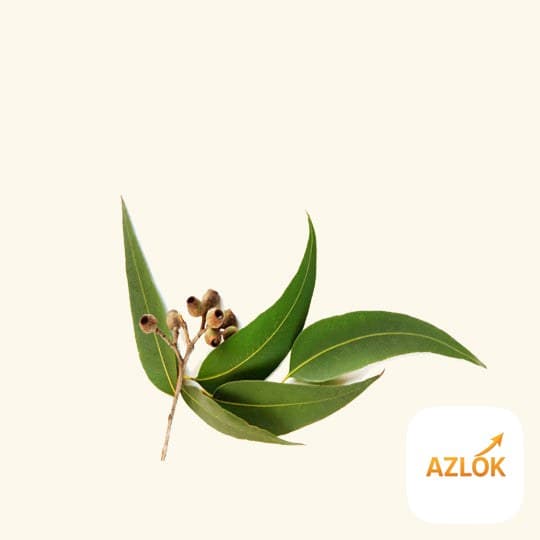
Nilgiri Oil: Uses, Benefits and How to Use This Camphorous Eucalyptus Essential Oil

Nilgiri oil is a steam-distilled essential oil made from the leaves and flowers of the Nilgiri (eucalyptus) tree, known for its clear, herbaceous and camphorous scent. It is a concentrated oil used mainly for aromatherapy, natural decongestant blends, soap and candle making, and keeping stale odours away — and it must always be diluted before it touches your skin.
What is Nilgiri oil?
Nilgiri is simply the Indian name for eucalyptus, the tall trees that give the Nilgiri hills their name. The oil is extracted by crushing the dried leaves and passing steam through them, a method called steam distillation. What you get is a thin, colourless liquid with that unmistakable sharp, cooling aroma. The main plant constituent is eucalyptus leaf and flower extract, which is what gives the oil its familiar fresh punch.
A few technical pointers for buyers who care about specifications: CAS number 8000-48-4, FEMA 2466, specific gravity 0.855–0.870 at 20°C, refractive index 1.450–1.464, flash point around 180°C, and a shelf life of about two years when stored well.
Common uses of Nilgiri oil
- Aromatherapy and diffuser blends: A few drops in a diffuser fill a room with a clean, brisk scent many people find refreshing, especially during the damp or cold months.
- Natural decongestant feel: The camphorous aroma is popular in steam inhalation and chest-rub style blends because it smells clearing and cooling.
- Candle and soap making: Nilgiri oil adds a spa-like, herbal fragrance to cold-process soaps, melt-and-pour bases and scented candles.
- Odour control: It helps mask and cut through stale or musty smells in homemade room sprays and cleaning blends.
- Insect repellent blends: The strong scent is often used in DIY repellent sprays and outdoor candles.
It blends beautifully with thyme, cedarwood and lavender essential oils if you want to build a more rounded fragrance.
How to use Nilgiri oil
- Diffuser: Add 3–6 drops to the water in your diffuser or oil burner.
- Steam inhalation: Put 1–2 drops in a bowl of hot (not boiling-in-your-face) water, lean over, cover your head with a towel and breathe gently. Keep your eyes closed.
- Skin application: Always dilute first. Mix 1–2 drops into a teaspoon of a carrier oil such as coconut, sesame or almond oil before massaging in.
- Soap and candles: Follow your base manufacturer's recommended fragrance load, usually a small percentage of the total batch.
- Room spray: Combine a few drops with a little alcohol (it is soluble in alcohol) and water in a spray bottle, and shake before each use.
Safety notes
Nilgiri oil is concentrated and potent, so treat it with respect.
- Never apply it neat (undiluted) to skin — always patch-test a diluted blend on your inner arm first.
- Do not ingest it. Eucalyptus-type oils can be toxic if swallowed.
- Keep well away from children and pets, and avoid use around infants and during pregnancy unless a qualified practitioner advises you.
- Avoid contact with eyes and other sensitive areas.
- Use in a ventilated space and stop if you notice irritation or a headache.
This guide is for general and DIY use, not medical advice. If you have asthma, allergies or a health condition, check with a doctor before using any essential oil.
Buying and storage tips
Azlok offers Nilgiri oil from 100 GM packs right up to 25 KG for makers and small businesses, with prices starting around ₹349, so you can buy a trial size before committing to bulk. Store the bottle tightly capped in a cool, dark place away from direct sunlight and heat — the flash point is high, but essential oils still degrade faster in warmth and light. Kept properly, the oil holds up for about two years. Always close the lid promptly to slow evaporation and preserve the aroma.
FAQ
Is Nilgiri oil the same as eucalyptus oil?
Yes. Nilgiri is the Indian name for eucalyptus, so Nilgiri oil and eucalyptus oil refer to the same oil distilled from the tree's leaves.
Can I apply Nilgiri oil directly on my skin?
No. It is a concentrated essential oil and should be diluted in a carrier oil first, usually 1–2 drops per teaspoon, followed by a patch test.
What scents blend well with Nilgiri oil?
It pairs nicely with thyme, cedarwood and lavender, which soften its sharp, camphorous edge in candles, soaps and diffuser blends.
How long does Nilgiri oil last?
Roughly two years when stored tightly capped in a cool, dark spot away from sunlight and heat.
Can Nilgiri oil be used in soap and candle making?
Yes, it is a popular fragrance for cold-process and melt-and-pour soaps and for scented candles. Follow your base's recommended fragrance load.