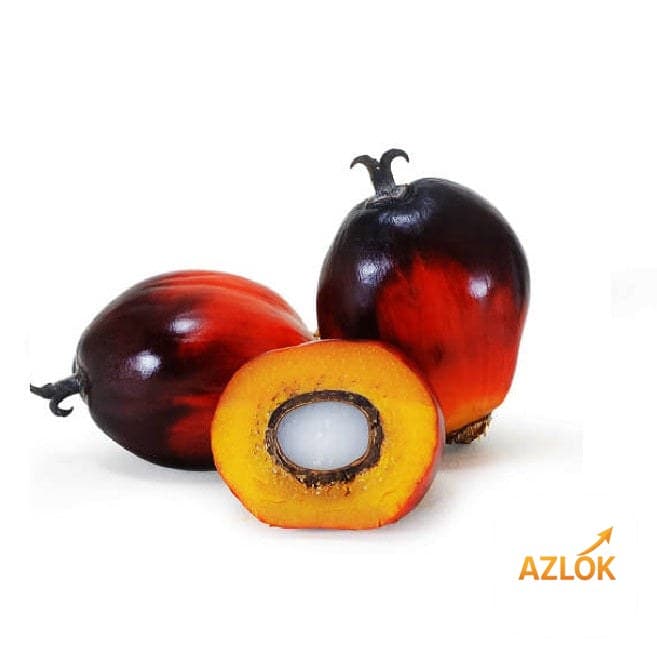

Palm kernel oil is a vegetable oil pressed from the kernels (seeds) of the oil palm fruit, Elaeis guineensis. It is prized in soap making, cosmetics, skincare and hair care because it is rich in lauric and myristic fatty acids, which give a smooth texture along with good cleansing and moisturising qualities. In short, if you want a firm, lathering soap bar or a light conditioning oil for skin and hair, this is a reliable, budget-friendly choice.
It is worth clearing up one common mix-up first: palm kernel oil comes from the seed inside the fruit, while palm oil is pressed from the fleshy fruit pulp. They behave differently. Palm kernel oil is harder at room temperature and lathers more, which is exactly why soap makers reach for it.
Common Uses of Palm Kernel Oil
- Soap making: Adds hardness and a fluffy, bubbly lather. It is often blended with olive, coconut or palm oil to balance a recipe.
- Skin moisturiser: A light, non-greasy oil that helps soften dry patches and seals in moisture.
- Hair care: Used in small amounts to smooth frizz and add shine to dry ends.
- Cosmetics and candles: A base ingredient in lotions, creams, balms and some candle formulations.
- Massage oil: Spreads easily and absorbs at a moderate rate, making it a workable carrier.
How to Use It
In cold-process or hot-process soap
Palm kernel oil is usually a supporting oil rather than the whole recipe. Many makers use it at around 15–30% of the total oils, combined with softer oils for skin feel. Always run your recipe through a reliable lye (saponification) calculator, since each oil needs a specific amount of lye. Because it melts at a warmer point than liquid oils, gently warm it until fully liquid before weighing and blending.
On skin and hair
Melt a small amount between your palms and apply to damp skin after a bath. For hair, warm a few drops and work through the mid-lengths and ends, avoiding the scalp if you are prone to oiliness. Start with less than you think you need; a little spreads a long way.
Tips and Safety Notes
- Patch test first. Before regular use on skin, apply a small amount to your inner forearm and wait 24 hours to check for any reaction.
- Keep it as a carrier. If you are mixing in essential oils, dilute them properly in the palm kernel oil rather than applying neat.
- Handle lye with care. Soap making involves caustic sodium hydroxide. Wear gloves and eye protection, work in a ventilated space, and keep it away from children and pets.
- Do not use for deep frying at home unless food grade. Confirm the grade suits your intended purpose before any food use.
- External use for cosmetics. For DIY skincare, treat this as a topical ingredient and store finished products away from heat.
Buying and Storage
Azlok stocks palm kernel oil in a wide range of pack sizes, starting at 100 Gm for around ₹199 and going up to 500 Gm, 1 KG, 5 KG, 10 KG, 20 KG and 25 KG for those making soap or cosmetics in bulk. Smaller packs suit first-time makers who want to test a recipe; the larger sizes make more sense for small businesses.
The oil has a shelf life of about two years when stored well. Keep it in a cool, dry place away from direct sunlight, and close the container tightly after each use to slow oxidation. Because it can be semi-solid in cooler weather, gentle warming will return it to a pourable state without harming quality. If the oil ever smells sharp or off, it has likely gone rancid and should be discarded.
FAQ
Is palm kernel oil the same as palm oil?
No. Palm kernel oil is extracted from the seed inside the fruit, while palm oil comes from the fruit pulp. Palm kernel oil is harder and produces more lather, which is why soap makers value it.
Can I use palm kernel oil directly on my skin?
Yes, in small amounts as a moisturiser, but do a 24-hour patch test first. Use it as a carrier when blending with essential oils rather than applying strong essential oils neat.
How much palm kernel oil should I use in soap?
Many recipes use it at roughly 15–30% of total oils for hardness and lather. Always calculate the correct lye amount with a saponification calculator for your specific blend.
Why has my palm kernel oil turned solid?
It naturally firms up in cooler temperatures. Warm the container gently until the oil liquefies again; this does not affect its quality.
How long does it last?
About two years when stored in a cool, dark place with the lid tightly closed. Discard it if the smell becomes sharp or unpleasant.