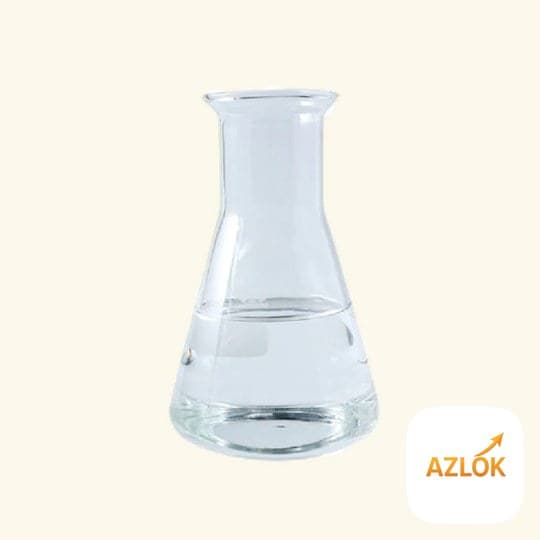
Polyquaternium-7 (PQ-7): The Conditioning Agent Behind Smooth Hair and Silky Lotions
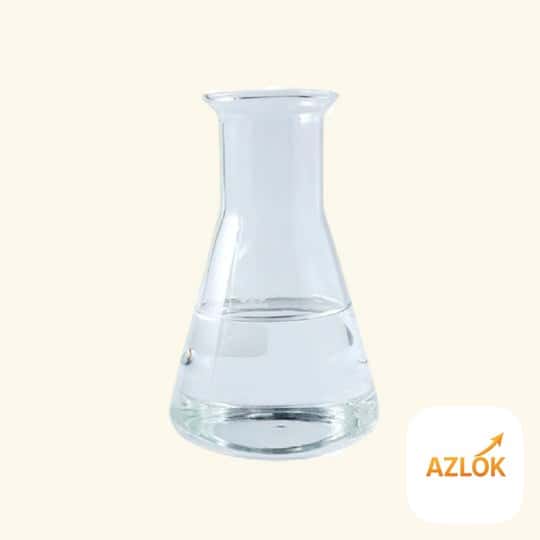
Polyquaternium-7 (often shortened to PQ-7) is a water-soluble cationic conditioning agent used in hair and skin formulations. In simple terms, it clings to hair and skin, leaves a light smoothing film, cuts down static and frizz, and adds slip to shampoos, conditioners, creams and lotions. It is one of the most common conditioning polymers you will spot on cosmetic ingredient labels.
What Polyquaternium-7 actually does
Hair and damaged skin carry a slightly negative charge. PQ-7 is positively charged (cationic), so it is naturally drawn to those surfaces and deposits an even, breathable film. That film is what gives you the practical benefits people notice:
- Detangling and manageability — wet combing becomes easier and there is less breakage from tugging.
- Frizz and static control — the film smooths the cuticle so strands lie flatter.
- Shine and softness — hair feels conditioned without a heavy, greasy coat.
- Moisture retention on skin — it helps hold water at the surface, useful in lotions and after-wash creams.
- Better product feel — it improves the texture, spreadability and cushion of the finished formula.
Key facts for reference: CAS number 26590-05-6, molecular formula C11H21ClN2O, molecular weight 232.75 g/mol. It is colourless and typically has a shelf life of around 24 months when stored well.
Where you can use it
- Shampoos — adds conditioning so hair does not feel stripped after washing.
- Conditioners and hair masks — boosts detangling and slip.
- Leave-in sprays and serums — light film for frizz control.
- Body washes and cleansers — leaves skin feeling smooth, not tight.
- Creams and lotions — improves texture and helps retain moisture.
It plays well with most surfactant systems, which is why it is a favourite in both salon and DIY formulations.
How to use it in a formulation
PQ-7 is used at low levels. As a general starting range, many rinse-off products use around 1–3% and leave-on products a little less; always adjust to your recipe and test. A simple approach:
- Prepare your water phase and heat/cool as your recipe requires.
- Add PQ-7 to the water phase and mix gently until fully dispersed — avoid whipping in too much air.
- Add it before thickeners and fragrance so it distributes evenly.
- Check and adjust your final pH and viscosity, since cationic polymers can affect both.
- Make a small batch first and test the feel on hair or skin before scaling up.
Because it is a conditioning polymer, a little goes a long way. Overdosing usually leads to build-up, a coated feel or reduced foam in cleansers rather than better results.
Safety and handling notes
- This is a cosmetic raw material for external use in properly formulated products, not something to apply neat or to ingest.
- Wear gloves and work in a clean, ventilated space. Avoid contact with eyes; rinse with plenty of water if that happens.
- Keep away from children and pets, and label your containers clearly.
- Do a small patch test on your finished product, especially if you have sensitive skin.
- Always keep the supplier's MSDS/COA on hand and follow the recommended handling instructions.
Buying and storage tips
Azlok stocks Polyquaternium-7 from 100 g trial packs up to 25 kg for regular makers and small businesses, so you can buy a small quantity to test before committing to a larger pack. Storage is straightforward:
- Keep the container tightly closed to prevent contamination and moisture pickup.
- Store in a cool, dry place away from direct sunlight and heat.
- Use clean, dry utensils each time you dispense.
- Note the batch and opening date, and use within the stated shelf life of about 24 months.
FAQ
Is Polyquaternium-7 safe for daily-use hair products?
Yes, it is widely used in everyday shampoos and conditioners as a conditioning agent when used at normal cosmetic levels. As with any ingredient, formulate correctly, keep to recommended usage rates and patch-test your finished product.
How much PQ-7 should I add?
Use it at low levels — commonly around 1–3% in rinse-off products and less in leave-on formulas. Start low, test the feel, and adjust rather than overdosing, which can cause build-up.
Does it reduce foam in shampoos?
At sensible levels the effect is minor, but very high dosing can dull lather. Balance it against your surfactant blend and test a small batch first.
Can I use Polyquaternium-7 in skincare, not just hair?
Yes. It improves slip and texture in creams, lotions and body washes and helps the skin surface retain moisture, giving a smoother after-feel.
What is the shelf life and how do I store it?
It typically keeps for about 24 months. Store it sealed in a cool, dry place away from sunlight and moisture, and use clean tools when measuring it out.