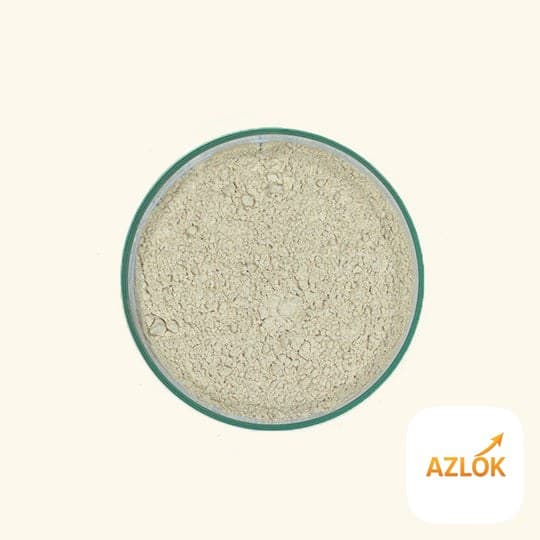

Shatavari powder is a fine herbal powder made from the dried roots of Asparagus racemosus, a climbing plant native to India. In Ayurveda it is classed as an adaptogen — a herb traditionally used to help the body cope with everyday stress — and it is most often taken mixed into warm milk, water or honey. Here is a clear look at how it is used, what to expect, and how to buy and store it sensibly.
What is Shatavari powder?
The name comes from the Sanskrit for the plant, and the powder is simply the root ground down to a soft, pale, slightly bitter powder. It has a long history in Ayurvedic wellness routines, where practitioners value it as a rasayana, or rejuvenating herb. Adaptogenic herbs like Shatavari are traditionally believed to support the body's hormonal balance through the hypothalamus, pituitary and adrenal glands, though it is fair to say strong scientific proof for these specific claims is still limited. We would rather be honest about that than overstate it.
Common uses
Shatavari is versatile, which is why it turns up in kitchens, home remedies and cosmetic formulations alike. Typical uses include:
- Daily wellness drinks: stirred into warm milk or water as part of a morning or bedtime routine.
- Ayurvedic preparations: combined with ghee, honey or other herbs in traditional recipes.
- Skincare and haircare: added to homemade face packs and hair masks, often with ingredients like yoghurt, honey or rose water.
- Formulation ingredient: small businesses use it in cosmetic and personal-care products where the INCI name Asparagus Racemosus is listed.
How to use it
The simplest way is the classic Ayurvedic method. A common approach is to take a small measured amount and mix it well so no lumps remain.
- Take around half to one teaspoon of Shatavari powder.
- Add it to a cup of warm milk or water.
- Stir thoroughly and, if you like, sweeten with a little honey or jaggery.
- Drink once or twice a day, or as advised by a qualified Ayurvedic practitioner.
For a skin or hair pack, mix a spoonful with enough curd or water to form a paste, apply, leave for 15–20 minutes and rinse. Always do a small patch test first.
Tips and safety notes
Shatavari is a food-grade herb, but a few sensible precautions apply:
- Start with a small quantity to see how your body responds.
- If you are pregnant, breastfeeding, on medication or managing a health condition, speak to a doctor or Ayurvedic practitioner before taking it.
- People with an allergy to asparagus should avoid it.
- Do a patch test before using it on skin, and keep the powder away from young children.
- Treat it as a wellness supplement, not a medicine or cure for any specific illness.
Buying and storage
Good Shatavari powder should smell earthy and look uniform, without clumping or an off odour. Azlok offers it in sizes from a 100 gm pouch, handy for first-timers, right up to bulk 5 kg, 10 kg and 20 kg packs for makers and small businesses, starting at ₹169. Choose the size that matches how quickly you will use it — buying fresh in smaller quantities keeps potency higher.
To store it well:
- Keep it in an airtight container in a cool, dry place, away from direct sunlight.
- Use a clean, dry spoon each time to prevent moisture and clumping.
- Used properly, it has a shelf life of around two years.
FAQ
What is Shatavari powder made from?
It is made from the dried, ground roots of the Asparagus racemosus plant, which grows widely across India.
How do you take Shatavari powder?
The usual method is to mix half to one teaspoon into warm milk or water, sweetened with honey if you like, taken once or twice daily or as advised by a practitioner.
Is Shatavari powder safe every day?
It is traditionally used daily in small amounts, but everyone is different. Start small, and consult a doctor or Ayurvedic practitioner if you are pregnant, nursing, unwell or on medication.
Can Shatavari powder be used on skin and hair?
Yes, it is often blended into homemade face and hair packs with ingredients like curd or honey. Always patch-test first to rule out any sensitivity.
How should I store Shatavari powder?
Keep it in an airtight container in a cool, dry spot away from sunlight and moisture. Stored this way it stays good for about two years.