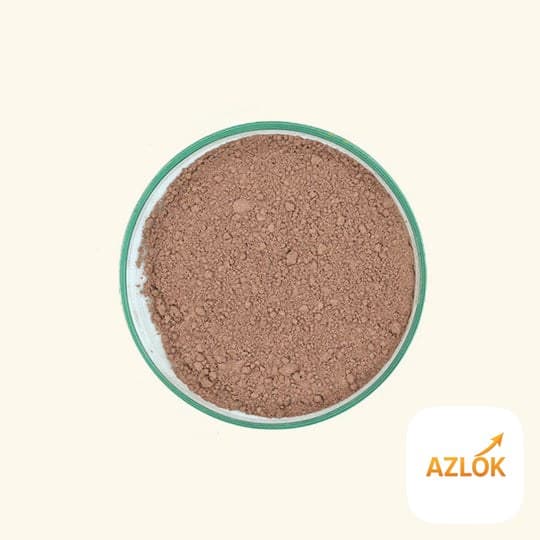

Stevia leaves powder is a natural, plant-derived ingredient made by finely milling the dried leaves of the Stevia rebaudiana plant. It is used mainly as a calorie-free natural sweetener in food and drinks, and as a gentle, skin-friendly powder in personal care recipes. A little goes a long way, so most people use it in very small amounts.
What is stevia leaves powder?
Unlike the highly refined white stevia extracts you see in sachets, this is the whole leaf ground into a green powder. It carries the natural sweetness of the leaf along with its plant compounds, including the steviol glycosides responsible for the sweet taste, plus antioxidants and other nutrients. Azlok supplies a food/cosmetic-grade powder sourced in India, which makes it suitable for kitchen use as well as DIY skincare and haircare formulations.
Common uses
- Natural sweetener: stir a pinch into tea, coffee, lemon water, buttermilk or homemade drinks.
- Baking and cooking: use in kheer, halwa, smoothies and desserts where you want sweetness without table sugar.
- Skincare: add small quantities to face packs, scrubs and masks for a soothing, conditioning feel.
- Haircare: blend into hair packs alongside other herbal powders.
How to use it
Green leaf stevia is naturally much sweeter than sugar, so start small and adjust. As a rough guide:
- For a cup of tea or coffee, begin with a tiny pinch (about a quarter teaspoon or less) and taste before adding more.
- For drinks, dissolve the powder well; whisking or blending helps avoid a gritty feel.
- In baking, replace only part of the sugar at first, since stevia does not add bulk or browning the way sugar does.
- For a face pack, mix roughly half a teaspoon with a base such as multani mitti, curd or aloe gel, apply, leave for 10–15 minutes and rinse.
The whole-leaf powder can leave a slightly grassy or liquorice-like aftertaste, and it lends a green tint. That is normal for an unrefined leaf product.
Tips and safety notes
- Do a patch test before using any new powder on your skin. Apply a small amount on your inner forearm and wait 24 hours.
- Less is more. Over-adding leads to a bitter, liquorice aftertaste rather than more sweetness.
- Keep it clean and dry. Always use a dry spoon so moisture does not clump the powder.
- Not a medical claim. Stevia is a food ingredient, not a treatment. If you are pregnant, breastfeeding, diabetic or managing a health condition, check with your doctor about how it fits your diet.
- Keep out of reach of small children and store away from strong-smelling spices, as fine powders can pick up odours.
Buying and storage
Azlok's stevia leaves powder comes in a range of packs — 100 g, 500 g, 1 kg, 5 kg, 10 kg and 20 kg — so home users and small businesses can both buy sensibly. The 100 g pack starts at around ₹169, and larger sizes suit makers and food businesses. It has a shelf life of about two years when stored well.
- Store in a cool, dry place, away from direct sunlight and heat.
- Transfer to an airtight container after opening to protect it from humidity.
- Buy a size you will realistically finish; because you use so little at a time, a 100 g pack lasts a long while in most kitchens.
FAQ
Is stevia leaves powder good for diabetics?
Stevia is a non-nutritive, plant-based sweetener with negligible calories, which is why many people choose it over sugar. However, it is not a treatment for diabetes. If you have diabetes, speak to your doctor or dietitian about including it in your diet.
How much stevia powder equals sugar?
Whole-leaf stevia is far sweeter than sugar, but sweetness varies by leaf. There is no fixed ratio, so start with a small pinch, taste, and increase gradually until you get the sweetness you like.
Why does my stevia have a bitter aftertaste?
An unrefined green leaf powder naturally has a mild liquorice or grassy note, and using too much makes it bitter. Reduce the quantity and it usually tastes cleaner.
Can I use stevia leaves powder on my skin?
Yes. This cosmetic-grade powder can be mixed into face packs and hair packs for a soothing, conditioning feel. Always patch-test first and rinse off after 10–15 minutes.
How long does it stay fresh?
Around two years when kept in a cool, dry place in an airtight container. Keep moisture out and use a dry spoon each time.