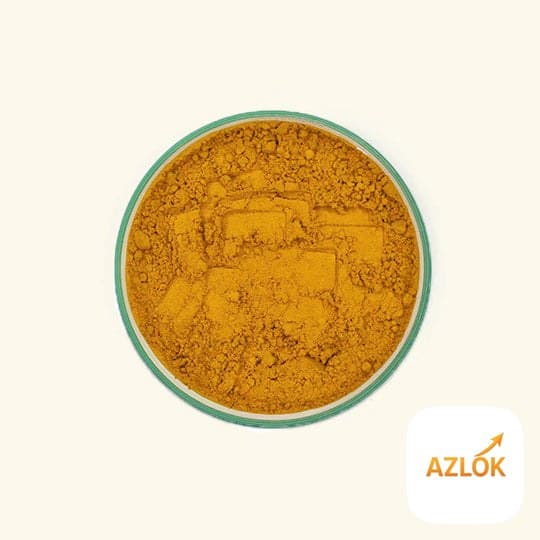
Wild Turmeric Powder: The Skin-Friendly Kasturi Manjal for Ubtans and Face Masks
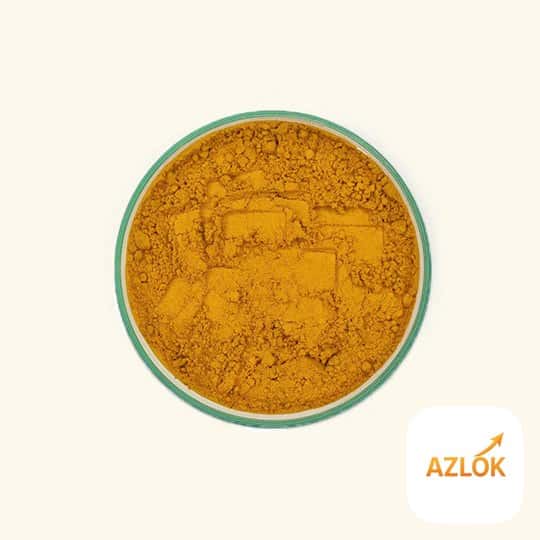
Wild Turmeric Powder is a cosmetic-grade herbal powder made from Curcuma aromatica, used mainly for skin care rather than cooking. Unlike the bright yellow turmeric in your kitchen, it is gentler and largely non-staining, which makes it a favourite in face masks, ubtans and herbal scrubs. It is often sold under its traditional South Indian name, Kasturi Manjal.
What is wild turmeric and how is it different from regular turmeric?
Regular cooking turmeric comes from Curcuma longa and is meant to be eaten. Wild turmeric (Curcuma aromatica) belongs to the same family but is grown and processed for topical use. It has a milder aroma, a finer feel on the skin, and does not leave the deep yellow stain that culinary turmeric is famous for. This is why it has been used for generations in bridal ubtans and everyday skin routines across India.
An important note: wild turmeric is not for eating. It is a beauty ingredient, so keep it separate from your kitchen turmeric to avoid confusion.
Common uses of Wild Turmeric Powder
- Ubtan and face packs: The classic use. It is mixed with flours and other powders for a cleansing, brightening face and body pack.
- Herbal scrubs: Combined with gram flour (besan) or oat flour to gently exfoliate.
- Soap and cosmetic making: A natural colour and additive in handmade soaps and bath products.
- Everyday skincare mixes: A small pinch added to masks for its traditional cleansing appeal.
How to use it: simple recipes
Basic brightening ubtan
- Take 1 teaspoon wild turmeric powder.
- Add 2 tablespoons besan (gram flour).
- Mix with milk, curd, or rose water to form a smooth paste.
- Apply to a clean face, leave for 10-15 minutes, then rinse with lukewarm water.
Gentle exfoliating scrub
- Mix 1 teaspoon wild turmeric with 1 tablespoon oat or rice flour.
- Add a little honey and water to bind.
- Massage gently in circular motions, then wash off.
Use these mixes fresh. Herbal pastes made with milk or curd should not be stored for later.
Tips and safety notes
- Patch-test first. Apply a small amount on the inner forearm and wait 24 hours before using on your face, especially if you have sensitive skin.
- For external use only. Do not ingest, and keep it away from the eyes.
- Non-staining, not stain-proof. It is far milder than culinary turmeric, but on very fair skin a faint tint may linger briefly. Applying at night or rinsing well helps.
- Keep out of reach of children.
- Not a medical treatment. Wild turmeric is a traditional cosmetic ingredient, not a cure for skin conditions. See a dermatologist for persistent concerns.
Buying and storage
Azlok's Wild Turmeric Powder is cosmetic-grade, sourced in India, and available from a handy 100 gm pack for home use up to bulk 5 KG, 10 KG and 20 KG sizes for soap makers and small beauty brands. Pricing starts at ₹149, and larger packs suit anyone formulating in volume.
To keep it fresh through its two-year shelf life:
- Store in an airtight container away from moisture.
- Keep it in a cool, dry place out of direct sunlight.
- Use a clean, dry spoon each time to avoid introducing damp.
- Label the jar clearly so it is never mixed up with food turmeric.
Good quality wild turmeric has a fine texture and a warm, earthy aroma. If you plan to make products for sale, ask for the COA and MSDS documentation, which help you formulate and label responsibly.
FAQ
Is wild turmeric the same as Kasturi Manjal?
Yes. Kasturi Manjal is the traditional South Indian name for wild turmeric (Curcuma aromatica), the skin-care variety, as opposed to culinary turmeric.
Does wild turmeric stain the skin?
It is described as non-staining and is much gentler than kitchen turmeric. A faint, temporary tint is possible on very fair skin, but it usually fades quickly and washes off easily.
Can I eat wild turmeric powder?
No. This is a cosmetic-grade product meant for external use only. Use ordinary edible turmeric for cooking.
How often can I use a wild turmeric face pack?
For most skin types, two to three times a week is enough. Always patch-test first, and reduce frequency if you notice any irritation or dryness.
What can I mix it with?
It blends well with besan, rice or oat flour, milk, curd, honey, aloe vera gel and rose water. Prepare small, fresh batches each time for best results.