

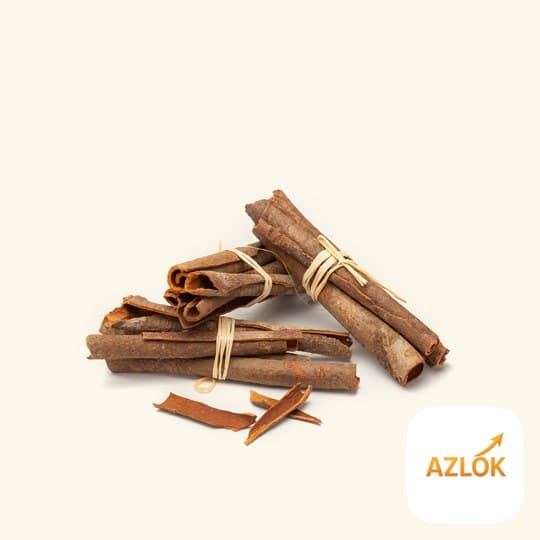

Cassia Essential Oil
Minimum Order: 1 units
Description
Cassia Essential Oil is a warm, spicy oil steam-distilled from the bark, leaves, and twigs of Cinnamomum cassia, a close relative of cinnamon. Always dilute before skin application.
History & Discovery
Cassia (Cinnamomum cassia) is one of the oldest known spices in the world, with documented use dating back to ancient China over 4,000 years ago. It appears in Chinese herbal texts under the name 'rou gui' and was traded along early spice routes to the Middle East and Europe. In ancient Egypt, cassia was used in embalming preparations and as a perfume ingredient. It is frequently mentioned in the Old Testament and classical Greek and Roman texts as a valued commodity, sometimes more prized than gold by weight. Cassia reached India through centuries of trade and is today cultivated primarily in southern and northeastern India, as well as China, Vietnam, and Indonesia. The essential oil became commercially significant as steam distillation technology developed in the 18th and 19th centuries, allowing the concentrated aromatic compounds to be separated efficiently from the plant material. Azlok sources cassia essential oil of Indian origin, available in sizes ranging from 100 g to 25 kg for home users and bulk buyers alike.
Ayurvedic and Traditional Uses
In Ayurveda, cassia (known as 'twak' or 'dalchini' in broader usage, though true cinnamon and cassia are sometimes grouped together in classical texts) is considered to have warming (ushna) properties and is associated with balancing Vata and Kapha doshas. Cassia bark has been used in traditional Ayurvedic formulations to support digestion and circulation. Classical texts like the Charaka Samhita mention cinnamon-type barks as useful in digestive preparations (pachana) and respiratory support. However, the concentrated essential oil form is a modern preparation not described in classical Ayurvedic texts. Any use of cassia essential oil in an Ayurvedic context today should follow essential oil safety guidelines—dilution, patch testing, and avoidance during pregnancy—rather than directly applying traditional bark-use recommendations to the concentrated oil.
Why Azlok's Version is Trusted Today
Azlok
Frequently asked questions
Is cassia essential oil the same as cinnamon essential oil?
Cassia (Cinnamomum cassia) and cinnamon (Cinnamomum verum) are closely related but different species. Cassia oil has a stronger, more pungent spice aroma and typically contains higher levels of cinnamaldehyde than true cinnamon oil. They can be used similarly in many applications but are not interchangeable in formulations requiring certified cinnamon.
How should I dilute cassia essential oil before using it on skin?
Cassia oil is a known skin sensitiser and should be diluted to a maximum of 0.05–0.1% in leave-on skin products. For a simple home blend, add 1–2 drops of cassia oil to 10 ml of a carrier oil such as coconut or sweet almond oil. Always do a patch test on a small area before wider application. Avoid use near eyes and mucous membranes.
Is cassia essential oil safe during pregnancy?
Pregnant women should consult a qualified doctor or healthcare professional before using cassia essential oil. Due to its high cinnamaldehyde content and potency, it is generally recommended to avoid cassia oil during pregnancy and while breastfeeding unless specifically advised otherwise by a medical professional.
What is the shelf life of Azlok's cassia essential oil and how should it be stored?
Azlok's cassia essential oil has a shelf life of 2 years from the date of manufacture. Store it in a cool, dark place away from direct sunlight and heat, tightly sealed in its original bottle. Exposure to air, light, and heat accelerates oxidation and degrades the oil's quality and safety for skin use.
Specifications
How to use Cassia Essential Oil
Guides covering uses, dilution, safety and storage.