

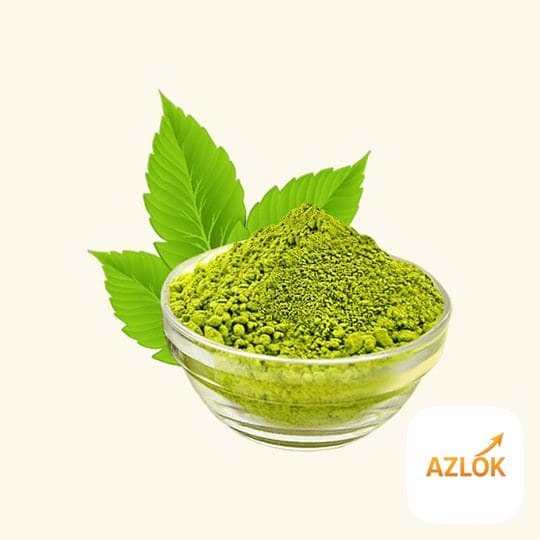

Heena Liquid Extract
Minimum Order: 1 units
Description
Heena Liquid Extract (Lawsonia inermis) from Azlok is a concentrated 4:1 herbal extract available in both water-soluble (glycerin-based) and oil-soluble (soy oil) forms. Sourced from the leaves, bark, and flowers of the henna plant, it is used at 1–2% in cosmetic and herbal formulations. Tasteless, odour-free, and free from artificial colours, heavy metals, and gluten.
History & Discovery
Henna (Lawsonia inermis) is a shrub that grows in hot, dry regions of North Africa, the Middle East and South Asia, and it has been used as a dye for thousands of years. Traces of henna have been reported on the hair and nails of ancient Egyptian remains, and the plant spread along trade routes into Persia and India. In India it is known as mehndi, and it has been part of Ayurvedic practice for centuries. Applying mehndi on hands and feet became closely tied to weddings and festivals such as Teej, Karva Chauth and Eid, and it gained further popularity during the Mughal period. Rajasthan, especially the Sojat area in Pali district, is well known for henna cultivation. Liquid extracts are a recent form, made so formulators can add henna to products without handling the powder.
Scientific & Medicinal Importance
Heena Liquid Extract is made from Lawsonia inermis, the shrub whose dried leaves are sold across India as mehndi powder. The main compound associated with henna's familiar orange-brown colour is lawsone (2-hydroxy-1,4-naphthoquinone), found mostly in the leaves. The plant also contains tannins, flavonoids and other plant compounds that contribute to the overall character of the extract. This product is a 4:1 concentrate. Plant material is extracted into either a glycerin-based carrier (water-soluble) or soy oil (oil-soluble), giving a liquid that blends easily without the grittiness of powder. It is described as tasteless and odour-free, so it does not disturb the fragrance of a finished product. Its colour effect on hair or skin can be different from a fresh mehndi paste, so test it in your own formula first.
Ayurvedic and Traditional Uses
In Ayurveda, henna (known as 'Madayantika' or 'Mehndi') is classified under cooling herbs and is used externally to address pitta-related conditions. Classical Ayurvedic texts describe its application as a paste on the scalp to reduce burning sensation, manage dandruff, and strengthen hair roots. The bark and leaves are referenced in traditional texts for their astringent (kashaya) and cooling (sheeta) properties. It is also used in traditional formulations for skin conditions characterised by excess heat or inflammation. Note: These are traditional uses; Azlok's liquid extract is formulated for cosmetic and topical formulations, not as a medicine.
Modern-Day Applications & Benefits
Small brands and DIY formulators use Heena Liquid Extract mainly in hair care, where henna is a familiar ingredient for Indian customers. The water-soluble form mixes into shampoos, conditioners, hair rinses, gels and toners. The oil-soluble form suits hair oils, balms, butters and other anhydrous products. At the suggested 1–2%, it lets you add henna as a named herbal ingredient without the mess and residue of mehndi powder. It also appears in herbal soaps, face packs and body care products made in the traditional style. Add it during the cool-down phase where possible, and check how it affects the colour and stability of your batch. For anything applied to skin or scalp, do a patch test, use it in diluted form and for external use only. Consult a doctor before use if pregnant or on medication.
Why Azlok's Version is Trusted Today
Azlok
Frequently asked questions
What is the difference between the water-soluble and oil-soluble versions of Heena Liquid Extract?
The water-soluble version is extracted using vegetable glycerin (palm-derived) and blends easily into water-based formulations like shampoos, conditioners, and lotions. The oil-soluble version uses soy oil as the carrier and is suited for oil-based products like hair oils, serums, and balms. Both contain a BHT preservative.
What does a 4:1 extraction ratio mean?
A 4:1 ratio means that 4 kg of raw henna herb (leaves, bark, and flowers) is used to produce 1 kg of finished extract. This makes the extract four times more concentrated than the raw plant material, so a small quantity goes a long way in formulations.
At what percentage should Heena Liquid Extract be used in formulations?
The recommended usage level is 1–2% in finished formulations. Exceeding this may affect the texture, colour, or stability of the product. Always conduct small-batch trials before scaling up.
Is this product safe to use on skin and hair?
The extract is formulated for cosmetic use at 1–2% in topical products. Always perform a patch test before use, as some individuals may be sensitive to henna or BHT. Avoid contact with eyes. Keep out of reach of children. This product is not intended for ingestion.
How should Heena Liquid Extract be stored and what is its shelf life?
Store in a cool, dry place away from direct sunlight and heat. The shelf life is 2 years from the date of manufacture. Ensure the container is tightly sealed after each use to prevent contamination or oxidation.
Specifications
How to use Heena Liquid Extract
Guides covering uses, dilution, safety and storage.