

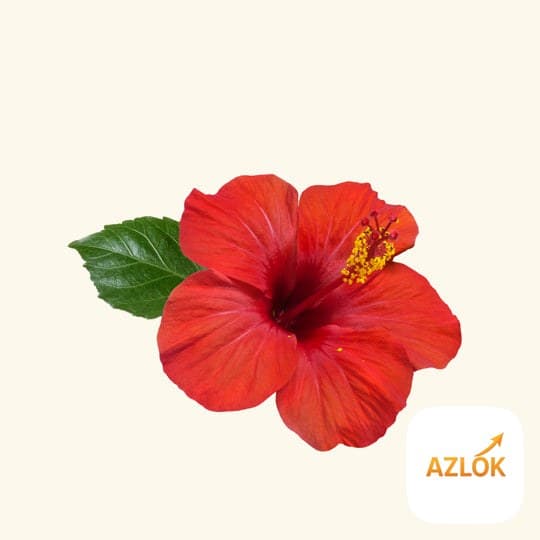

Hibiscus Hydrosol
Minimum Order: 1 units
Description
Hibiscus Hydrosol (INCI: Hibiscus Rosa-Sinensis Flower Water) is a steam-distilled floral water made from hibiscus leaves and flowers. It has a soft, fresh, slightly anise-like aroma and is used in skin-care formulations, facial mists, creams, and lotions. Azlok sources this hydrosol from India and offers it from 100 ml up to 20 kg.
History & Discovery
Hibiscus (Hibiscus rosa-sinensis) has been used across South Asia, the Caribbean, and parts of Africa for centuries, both as an ornamental plant and in traditional beauty rituals. In India, hibiscus flowers have long been applied topically for hair and skin care, and used in herbal hair oils and rinses. The extraction of hibiscus as a hydrosol is a more modern development, allowing the water-soluble aromatic and botanical compounds from the flower to be captured in a stable, ready-to-use form. Floral waters and hydrosols gained prominence in cosmetic formulation over the 20th century as formulators sought gentler, plant-based alternatives to synthetic toners. Hibiscus hydrosol became a popular ingredient due to its mild acidity, pleasant aroma, and compatibility with a wide range of skin-care actives.
Scientific & Medicinal Importance
Hibiscus Hydrosol is produced by steam distillation of hibiscus flowers and leaves. In this process, steam passes through the plant material, volatilising water-soluble aromatic compounds; the steam then condenses, and the resulting water—carrying dissolved botanicals—is collected as the hydrosol. Unlike an essential oil, the hydrosol contains no concentrated lipophilic compounds and is therefore much gentler on skin. Hibiscus flowers contain organic acids (including citric and malic acid), anthocyanins, and flavonoids. The mild acidity of hibiscus hydrosol (typically pH 4–5) can help support the skin's natural slightly acidic pH. Its water-soluble antioxidant compounds may help neutralise free radicals. The hydrosol is colourless, soluble in water and alcohol, and insoluble in fixed oils, making it easy to incorporate into water phases of cosmetic formulations.
Ayurvedic and Traditional Uses
In Ayurveda, hibiscus (known as Japapushpa or China Rose) is classified under herbs with cooling (sheeta) properties. Hibiscus flowers are traditionally used in hair care preparations to reduce hair fall and condition the scalp, and the plant is mentioned in classical texts for its use in topical applications for the skin. However, hibiscus hydrosol as a steam-distilled product is not itself described in classical Ayurvedic texts; its use in Ayurveda-inspired formulations is a contemporary application based on the plant's traditional properties.
Modern-Day Applications & Benefits
Hibiscus Hydrosol is used today primarily in cosmetic and personal-care formulations. It works well as a toner or facial mist, as the water phase in creams and lotions, and as a base for DIY serums or gels. It can be combined with seaweed extracts, tea tree oil, hyaluronic acid, and other actives. Its mild acidity makes it a useful pH-adjusting medium in water-based products. Azlok supplies hibiscus hydrosol in sizes from 100 ml (with a dropper for home use) up to 20 kg bulk packs suited to small cosmetic manufacturers and formulators. Store in a cool, dry place away from direct sunlight; shelf life is up to 2 years when stored correctly. Always check for any change in colour, odour, or clarity before use.
Why Azlok's Version is Trusted Today
Azlok
Frequently asked questions
What is hibiscus hydrosol and how is it made?
Hibiscus hydrosol is the water collected during steam distillation of hibiscus flowers and leaves. Steam passes through the plant material, picks up water-soluble aromatic and botanical compounds, and the condensed water is bottled as hydrosol. It is different from hibiscus essential oil and is much gentler.
Can I use hibiscus hydrosol directly on my face?
Yes, hibiscus hydrosol can generally be applied directly to the skin as a toner or facial mist. However, if you have sensitive skin, do a patch test on your inner arm before full facial use and discontinue if irritation occurs.
Is hibiscus hydrosol suitable for hair care as well?
Yes, hibiscus hydrosol can be used as a hair rinse or added to hair mists. It is mild and water-soluble, making it easy to incorporate into hair-care DIY recipes. It is not a replacement for medicated hair treatments.
What is the shelf life and how should I store hibiscus hydrosol?
The shelf life of Azlok Hibiscus Hydrosol is up to 2 years when stored in a cool, dry place away from direct sunlight. Once opened, store in a sealed container and check for any change in colour, odour, or clarity before use.
Can hibiscus hydrosol be mixed with other ingredients for skin-care formulations?
Yes. Hibiscus hydrosol is soluble in water and alcohol, making it easy to use as the water phase in creams and lotions. It can be combined with seaweed extracts, tea tree oil, hyaluronic acid, and similar water-soluble actives. It is insoluble in fixed oils, so it should not be directly mixed into oil-only formulations without an emulsifier.
Specifications
How to use Hibiscus Hydrosol
Guides covering uses, dilution, safety and storage.