

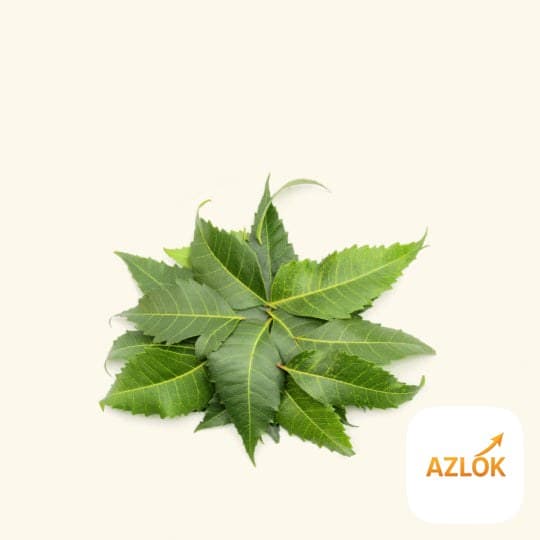

Neem Leaf Liquid Extract
Minimum Order: 1 units
Description
Neem Leaf Liquid Extract (Azadirachta indica, CAS 84696-25-3) is a 4:1 concentrated herbal extract available in water-soluble (glycerin-based) and oil-soluble (soy oil) forms. Free from gluten, artificial colour, and heavy metals. Shelf life: 2 years.
History & Discovery
Neem (Azadirachta indica), commonly called Indian lilac or Margosa, is native to the Indian subcontinent and has been cultivated across South and Southeast Asia for thousands of years. Its name is derived from the Sanskrit 'nimba', meaning 'bestower of good health'. Every part of the neem tree — bark, leaf, seed, and root — has been used traditionally in Indian households for oral hygiene, skin care, and crop protection long before modern extraction methods existed. Neem leaf extract in concentrated liquid form is a more recent development, enabling formulators to incorporate neem's active compounds easily and precisely into finished products without the bitterness or strong odour associated with raw neem.
Scientific & Medicinal Importance
Neem Leaf Liquid Extract is made from the leaves of the neem tree (Azadirachta indica, CAS 84696-25-3). Dried leaves are extracted at a 4:1 ratio, meaning roughly four parts of leaf go into one part of finished extract, and the concentrate is carried in either vegetable glycerin (water-soluble form) or soy oil (oil-soluble form). Neem leaves naturally contain bitter plant compounds called limonoids, such as nimbin and nimbidin, along with flavonoids and other plant constituents. The extract is a liquid, usually greenish-brown to dark brown, with the strong, bitter, herbal smell typical of neem. The glycerin version mixes easily into water-based products, while the soy oil version blends with oils, butters and waxes. Colour and odour can vary slightly between batches because it is a plant material. Shelf life is two years when stored properly.
Ayurvedic and Traditional Uses
In Ayurvedic texts, neem (referred to as 'Nimba') is classified as a tikta (bitter) herb with cooling properties and is attributed to balancing Pitta and Kapha doshas. Classical texts such as the Charaka Samhita and Sushruta Samhita reference neem preparations for skin disorders (kushtha), fever management, and wound care. Neem leaf paste and decoctions have traditionally been applied topically for acne-prone and oily skin. While the concentrated liquid extract is a modern formulation form, its use in Ayurveda-inspired skincare and haircare products draws directly from this classical tradition. Note: Azlok's neem liquid extract is intended for cosmetic formulation use, not as an internal Ayurvedic medicine.
Modern-Day Applications & Benefits
Formulators mainly use neem leaf liquid extract to add a familiar neem character to personal care products. The water-soluble glycerin form suits face washes, toners, gels, shampoos, hand washes and liquid soaps, where it is added to the water phase. The oil-soluble soy oil form works in hair oils, body oils, balms, the oil phase of creams and lotions, and in handmade soap. Because the extract has a strong smell and a brownish tint, it can affect the final colour and aroma of a product, so many small brands pair it with essential oils like tea tree, lavender or lemongrass for a more balanced fragrance. Start with a small trial batch to check colour, scent and stability. For anything applied to skin, do a patch test, keep to external use, and consult a doctor if pregnant or on medication.
Why Azlok's Version is Trusted Today
Azlok
Frequently asked questions
What is the difference between water-soluble and oil-soluble neem leaf extract?
The water-soluble variant is extracted using vegetable palm glycerin, making it suitable for water-based formulations like serums, face washes, and toners. The oil-soluble variant uses soy oil as the carrier and is better suited for creams, lotions, balms, and other oil-based products.
What is the recommended usage percentage of neem leaf liquid extract in formulations?
The recommended usage is 1–2% of the total formulation weight. Exceeding this level is not advised, as it does not improve efficacy and may cause skin sensitivity in some users.
Is this neem extract safe for use around children and on the face?
This extract is intended for cosmetic formulations only and should never be used undiluted directly on skin. Always use within the 1–2% recommended range in a finished formula. Keep the raw extract away from children. Avoid contact with eyes. Conduct a patch test before use.
What does 4:1 extraction ratio mean?
A 4:1 ratio means 4 kg of raw neem leaves are used to produce 1 kg of extract. This concentrates the active compounds, so you need a much smaller quantity compared to using raw leaf powder in your formulation.
Can I use neem leaf liquid extract in handmade soap?
Yes. For cold process soap, the oil-soluble (soy oil) form is easier to work with and can be added at trace. For melt and pour bases, either form can be stirred in after melting. Expect the extract to give a light brown or greenish tint and a herbal smell, so test a small batch first.
Specifications
How to use Neem Leaf Liquid Extract
Guides covering uses, dilution, safety and storage.