

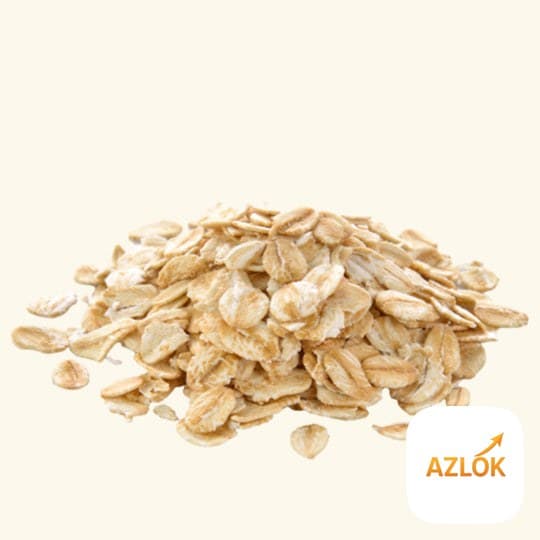

Oat Liquid Extract
Minimum Order: 1 units
Description
Oat Liquid Extract (Avena sativa, CAS 84012-26-0) is a concentrated 4:1 herbal extract rich in beta-glucan, flavonoids, saponins and sterols. Available in water-soluble (glycerin-based) and oil-soluble (soy oil) variants, it is used at 1–2% in soaps, shampoos, serums, creams and DIY skincare. Supplied by Azlok in sizes from 100 g to 25 kg.
History & Discovery
Oats (Avena sativa) have been cultivated for over 3,000 years, originating in the Fertile Crescent and spreading across Europe and Asia as both food and medicine. Colloidal oat preparations have been used topically for centuries to soothe dry, irritated and inflamed skin — a practice well-documented in European folk medicine. By the 19th century, oat-based baths and poultices were a standard recommendation for conditions like eczema and sunburn. Modern extraction technology now allows the active compounds to be concentrated into a stable liquid form, making it easy to incorporate into cosmetic formulations without the graininess of raw oat flour.
Scientific & Medicinal Importance
Oat Liquid Extract is made from the grain of Avena sativa (CAS 84012-26-0) and concentrated at a 4:1 ratio. Its main constituents include beta-glucan, a water-loving polysaccharide, along with flavonoids, saponins and plant sterols. Beta-glucan forms a light, smooth film and gives formulations a soft, slightly cushioned feel. The saponins add mild foaming, which suits cleansers, shampoos and soaps. Azlok offers two carriers. The water-soluble version uses glycerin and mixes easily into the water phase of serums, toners, gels and lotions. The oil-soluble version uses soy oil and goes into balms, body oils, the oil phase of creams and soap batches. At the usual 1–2% usage, it adds little colour or scent to a finished product. For any skin product, patch test the final formula first.
Ayurvedic and Traditional Uses
Oats are not native to India and are not a prominent grain in classical Ayurvedic texts. Their traditional use comes mostly from Europe, where oat porridge was a staple food and oat flour or oat-filled cloth bags were added to bath water and homemade skin washes for generations. In India, oats became a common kitchen grain much more recently. Indian ubtan traditions use grain flours such as besan, rice flour and barley flour in face packs and bath powders for their fine texture and gentle cleansing feel. Many Indian formulators now use oat extract the same way, alongside herbs like turmeric, sandalwood and rose in herbal-style skincare. Products made with it are for external use only. Patch test before use and consult a doctor if pregnant or on medication.
Modern-Day Applications & Benefits
Oat extract is a well-established ingredient in the cosmetic and personal care industry, used in products ranging from baby lotions to sensitive-skin cleansers. Dermatologists frequently recommend colloidal oat-based products for dry, eczema-prone and sensitive skin. Azlok's Oat Liquid Extract is suitable for incorporation into soaps, shampoos, face washes, serums, lotions and creams at a recommended usage level of 1–2% by weight of the formulation. The product is free from gluten, artificial colours, heavy metals and fertilisers, with a shelf life of 2 years when stored in a cool, dry place. Always perform a patch test before using any new cosmetic ingredient on skin. Keep away from children, avoid contact with eyes, and use in a well-ventilated area when handling in bulk.
Why Azlok's Version is Trusted Today
Azlok
Frequently asked questions
What is the difference between the water-soluble and oil-soluble variants of Oat Liquid Extract?
The water-soluble variant is extracted using vegetable palm glycerin (alcohol-free) and blends easily into water-based formulations like serums, face washes and shampoos. The oil-soluble variant is extracted using soy oil and contains BHT as a preservative; it is suited for oil-based products like creams, lotions and balms.
What is the recommended usage rate for Oat Liquid Extract in formulations?
The recommended usage rate is 1–2% by weight of the total formulation. Add it to the water or oil phase depending on the variant, at or below 40°C to preserve its active compounds.
Is this Oat Liquid Extract safe for sensitive or eczema-prone skin?
Oat (Avena sativa) extract is widely used in products formulated for sensitive and eczema-prone skin because of its soothing and film-forming properties. However, always perform a patch test before full application, especially if you have a known soy allergy (oil-soluble variant uses soy oil).
What is the shelf life and how should I store Oat Liquid Extract?
The shelf life is 2 years from the date of manufacture when stored in a cool, dry place away from direct sunlight. Keep the container tightly closed after use to prevent contamination and oxidation.
Can Oat Liquid Extract be ingested or used in food products?
No. This product is formulated exclusively for external cosmetic and personal care use — soaps, shampoos, creams, serums, etc. It is not food-grade and should not be ingested. Keep away from children and avoid contact with eyes.
Specifications
How to use Oat Liquid Extract
Guides covering uses, dilution, safety and storage.