

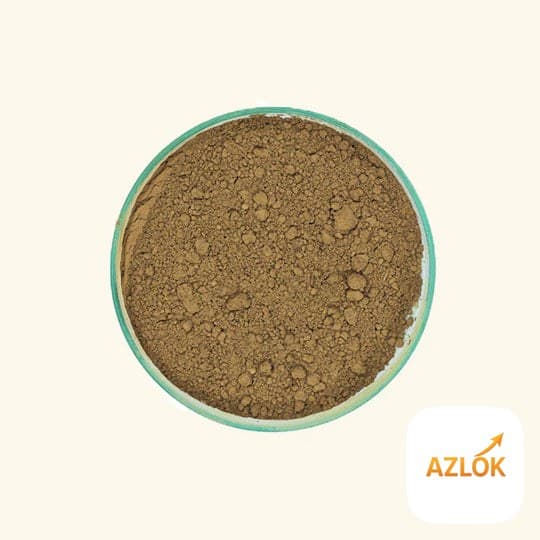

Tulsi Powder
Minimum Order: 1 units
Description
Azlok Tulsi Powder is made from dried Ocimum sanctum (Holy Basil) leaves, ground to a fine powder with a distinct herbal aroma. It is food-grade and cosmetic-grade, suitable for herbal teas, skincare formulations, hair care, and Ayurvedic preparations. Available in packs from 100 g to 25 kg.
History & Discovery
Tulsi, or holy basil, is native to the Indian subcontinent and has been grown here for thousands of years. It holds a special place in Hindu households, where the plant is often kept in a raised courtyard planter called a tulsi chaura or Vrindavan and tended daily. It is associated with Lord Vishnu and Krishna. The annual Tulsi Vivah ceremony marks its ritual marriage to Vishnu in the form of Shaligram. Tulsi has also been part of Ayurvedic practice for centuries and appears in classical texts under names such as surasa. Drying and grinding the leaves into powder was a practical way to keep the herb through the year for home preparations, teas and herbal pastes. Today the plant is cultivated widely across India and in parts of Southeast Asia.
Scientific & Medicinal Importance
Tulsi powder is made from the dried, ground leaves of Ocimum tenuiflorum (also known as Ocimum sanctum), a member of the mint family, Lamiaceae. Common varieties include Rama tulsi with green leaves and Krishna tulsi with purple-tinged leaves. The powder is usually green to olive-green and has a warm, slightly peppery, clove-like smell. This aroma comes from the leaf's volatile oil, in which eugenol is a major component, along with compounds such as methyl eugenol and beta-caryophyllene. The leaf also contains non-volatile compounds such as ursolic acid, rosmarinic acid, flavonoids and chlorophyll. The powder does not dissolve in water or oil. It disperses as fine particles, so it is usually mixed into pastes or blends. Heat, light and air gradually weaken its aroma and colour. Because it can absorb moisture and form lumps, it should be kept in an airtight container.
Ayurvedic and Traditional Uses
In Ayurveda, tulsi is classified as a sattvic herb and is considered tridoshic — it helps balance Vata, Pitta, and Kapha doshas, though it is most commonly used to pacify Kapha and Vata. It is categorised under the rasayana group of herbs, traditionally used to support immunity, respiratory health, and digestion. Classical Ayurvedic texts recommend tulsi in various forms: fresh juice (swarasa), decoction (kwatha), and powder (churna). Tulsi churna is used in preparations for cough, cold, and mild fever. It is also mentioned in skin and scalp care, where its astringent and cleansing properties are considered beneficial for reducing excess oiliness and supporting a clear complexion. Practitioners often combine tulsi powder with other herbs such as neem or amla for synergistic formulations.
Modern-Day Applications & Benefits
Today, tulsi powder is used across the food, cosmetic, and personal care industries in India and internationally. In the food sector it is incorporated into herbal teas, kadha mixes, and functional beverage blends. Many Ayurvedic and natural skincare brands include it in face packs, soaps, and shampoos. Azlok supplies tulsi powder in bulk packs (up to 25 kg), making it practical for small businesses, cosmetic formulators, herbal tea brands, and home DIY users alike. The powder is edible and cosmetic grade, with a shelf life of two years when stored in a cool, dry place. It should be kept in an airtight container away from moisture and direct sunlight to preserve its colour and aroma.
Why Azlok's Version is Trusted Today
Azlok
Frequently asked questions
Is Azlok Tulsi Powder food-grade and safe to consume?
Yes. Azlok Tulsi Powder is food-grade and cosmetic-grade. It can be used to prepare herbal teas, kadha, and other food applications. For regular internal use as a supplement, consult a healthcare practitioner.
How do I use Tulsi Powder in a face pack?
Mix 1–2 teaspoons of tulsi powder with rose water, plain yogurt, or honey to form a smooth paste. Apply to clean skin, leave for 10–15 minutes, and rinse with lukewarm water. Do a patch test on the inner arm before full-face application, especially for sensitive skin.
What is the shelf life and how should Tulsi Powder be stored?
Azlok Tulsi Powder has a shelf life of 2 years. Store it in an airtight container in a cool, dry place away from direct sunlight and moisture to preserve its colour, aroma, and potency.
Is bulk purchasing available and what pack sizes does Azlok offer?
Azlok offers Tulsi Powder in 100 g, 500 g, 1 kg, 5 kg, 10 kg, 20 kg, and 25 kg packs, making it suitable for individual buyers as well as cosmetic manufacturers, herbal tea brands, and Ayurvedic product makers.
Can I add Tulsi Powder to handmade soap?
Yes, it is used in soap for colour and visual texture. Mix it with a little oil first to avoid lumps, then add it at light trace. In cold process soap the green colour often turns olive or brown, and most of the aroma fades. Make a small test batch first, and patch test the finished soap before regular use.
Specifications
How to use Tulsi Powder
Guides covering uses, dilution, safety and storage.