

Candle Wick Sustainer Tabs
Minimum Order: 1 units
Description
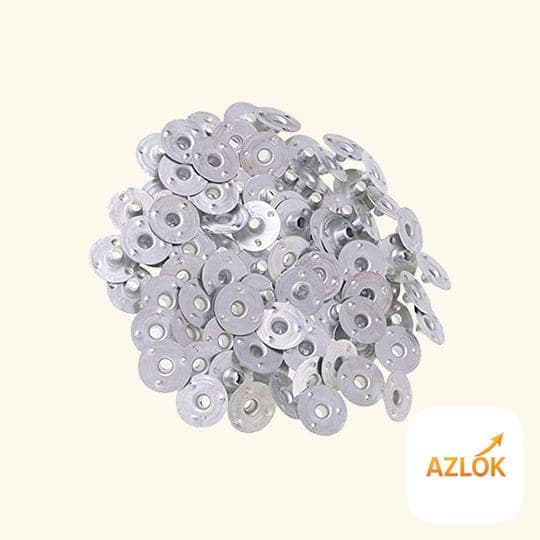
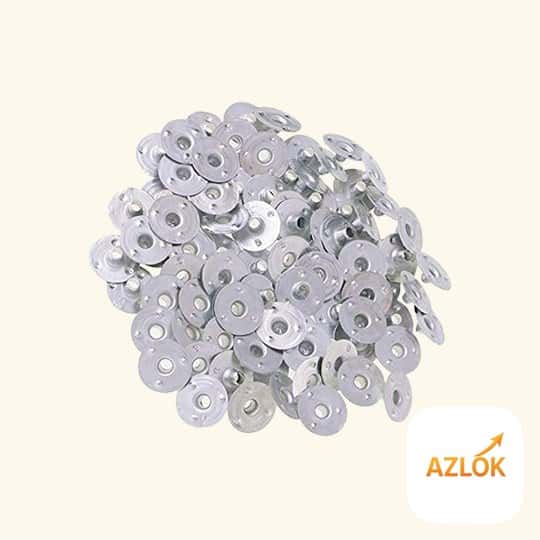
Candle Wick Sustainer Tabs (also called wick eyelets or wick tabs) are small metal clips used to anchor candle wicks to the bottom of a container or mould. They keep the wick centred and upright during pouring and burning. Available from Azlok in packs of 100 to 10,000, starting at ₹99.
History & Discovery
Wick sustainer tabs became a standard component in candle making as container candles grew in popularity through the 20th century. Before metal sustainer tabs were widely used, candle makers relied on manual methods—knotting the wick base, tying it to a skewer, or taping it—to keep wicks in place during wax pouring. The introduction of mass-produced metal wick tabs simplified production for both factories and home crafters, making consistent wick placement far easier. In India, the growth of DIY candle making as a home business and hobby, particularly from the 2010s onward, drove demand for small-batch supplies including wick tabs. Azlok sources and stocks these tabs domestically, making them accessible in packs as small as 100 units for hobbyists and as large as 10,000 units for small candle businesses.
Scientific & Medicinal Importance
Candle wick sustainer tabs are typically made from thin tinplate or zinc-coated steel. The tab has a flat circular base with a small central hole (eyelet) through which the wick is threaded and crimped, holding it firmly. This crimp joint is strong enough to resist the buoyancy of the wick in liquid wax and the tension that occurs as wax contracts during cooling. The metal construction is designed to withstand candle-burning temperatures without deforming under normal use. The flat base keeps the wick pulled down to the bottom of the container, preventing it from floating upward in molten wax, which is the most common cause of off-centre or drifting wicks in container candles.
Modern-Day Applications & Benefits
Wick sustainer tabs are a standard consumable in modern candle making for soy wax, paraffin, beeswax, and gel candles poured into containers such as glass jars, tins, and ceramic vessels. They are used in combination with pre-waxed or plain cotton wicks and wick-centering tools (bars or stickers) to ensure professional results. For home crafters, a pack of 100 tabs from Azlok is a good starting point. Small candle businesses producing batches regularly will find the 1,000–10,000 packs more economical. When assembling wicks, insert the wick through the eyelet hole and use pliers to crimp the tab securely before placing it in the mould or container.
Why Azlok's Version is Trusted Today
Azlok
Frequently asked questions
What size wick tabs are suitable for standard jar candles?
For most standard container candles (glass jars, tin cans), wick sustainer tabs with a 6 mm or 20 mm base diameter are commonly used. Check that the tab base fits flat inside your container before pouring wax.
How do I attach the wick to the sustainer tab?
Insert the wick end through the small hole in the centre of the tab, then use a pair of pliers to crimp (press) the tab tightly around the wick. This holds the wick firmly in place during wax pouring.
Are these wick tabs safe to leave at the bottom of the candle while it burns?
Yes. The metal tabs are designed to remain at the candle base throughout burning. The tab acts as a natural burn stop — when the wax level reaches the tab, the flame typically extinguishes on its own, preventing the container from overheating.
Which pack size should I order if I am just starting candle making?
The 100-tab pack at ₹99 is ideal for beginners. If you are producing candles in regular batches for sale, the 500 or 1,000 tab packs offer better value per unit.
Can these tabs be used with all wax types — soy, paraffin, and beeswax?
Yes. Metal wick sustainer tabs are compatible with soy wax, paraffin wax, beeswax, coconut wax, and gel wax. They work with any container candle where the wick needs to be anchored at the base.
Specifications
How to use Candle Wick Sustainer Tabs
Guides covering uses, dilution, safety and storage.