

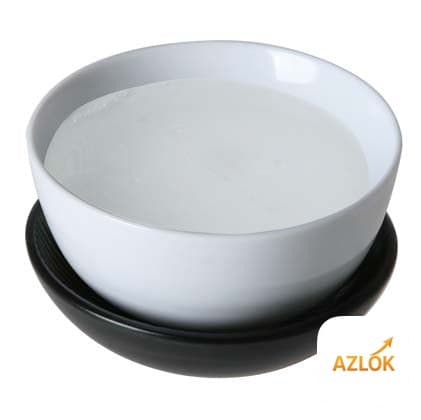

Coco Glucoside
Minimum Order: 1 units
Description
Coco Glucoside (INCI: Coco Glucoside, CAS 141464-42-8) is a mild, non-ionic surfactant derived from coconut oil and glucose. It appears as a light yellow to golden viscous liquid, pH 11.5–12.5, and is widely used in shampoos, body washes, face washes, and other rinse-off cosmetic formulations.
History & Discovery
Alkyl glucosides, the chemical family to which Coco Glucoside belongs, have been studied and developed since the late 19th century, but their large-scale commercial use in personal care began in the 1990s. The push toward greener, bio-based surfactants led formulators to look beyond petroleum-derived ingredients like sodium lauryl sulfate, and coconut- and sugar-derived glucosides emerged as a preferred alternative. Coco Glucoside quickly gained acceptance in the cosmetics industry because it is produced from renewable raw materials—coconut oil and starch-derived glucose—and is readily biodegradable.
Scientific & Medicinal Importance
Coco Glucoside is an alkyl glucoside produced by a Fischer glycosylation reaction—fatty alcohols derived from coconut oil (primarily C8 and C16 chain lengths) react with glucose under acidic catalytic conditions to form a stable glucoside ester. The result is a non-ionic surfactant with the chemical formula C16H32O6 and molecular weight of 320.42 g/mol. Its non-ionic nature means it carries no electric charge, making it compatible with anionic, cationic, and amphoteric surfactants. The high pH (11.5–12.5 in concentrate form) is neutralised in finished formulations. Its hydrophilic-lipophilic balance allows it to effectively reduce surface tension and emulsify oils, enabling thorough but gentle cleansing without stripping the skin's natural moisture barrier.
Modern-Day Applications & Benefits
Coco Glucoside is a staple ingredient in modern green cosmetic formulations. It is used as the primary or co-surfactant in baby shampoos, sulphate-free shampoos, facial cleansers, body washes, intimate hygiene washes, and micellar waters because of its mildness and low irritation potential. It also acts as a foam booster and viscosity modifier when combined with other surfactants such as Sodium Cocoyl Isethionate or Cocamidopropyl Betaine. DIY cosmetic makers and small-batch soap and shampoo bar formulators in India increasingly source Coco Glucoside through suppliers like Azlok to create sulphate-free, skin-friendly products. Its good biodegradability profile also meets the requirements of many natural and eco-certified cosmetic standards.
Why Azlok's Version is Trusted Today
Azlok
Frequently asked questions
What is the recommended usage rate for Coco Glucoside in a shampoo formulation?
Coco Glucoside is typically used at 5–20% in finished formulations. For a sulphate-free shampoo, a common starting point is 10–15%, adjusted for desired foam and viscosity. Always neutralise the pH of your final product to skin-safe levels (5.5–6.5 for hair care) using citric acid.
Is Coco Glucoside safe for sensitive or baby skin?
Coco Glucoside is considered one of the mildest surfactants available and is widely used in baby and sensitive-skin products. However, always use it at recommended dilution levels in a finished formulation; the undiluted concentrate has a high pH (11.5–12.5) and should never be applied directly to skin.
How should Coco Glucoside be stored?
Store in a tightly sealed container away from direct sunlight and heat. Ideal storage temperature is 15–25°C. Shelf life is 24 months from the date of manufacture when stored correctly. Keep away from children.
Can Coco Glucoside be used in solid shampoo bars or syndets?
Yes, Coco Glucoside can be incorporated into syndet (synthetic detergent) bars alongside other mild surfactants. It works well in combination with ingredients like Sodium Cocoyl Isethionate. However, adjusting the binder and acid component is important to achieve a stable, skin-safe pH bar.
What sizes does Azlok offer and which is best for a small DIY batch?
Azlok offers Coco Glucoside in 100 g, 500 g, 1 kg, 5 kg, 10 kg, 20 kg, and 25 kg packs. For a first DIY batch of shampoo or face wash (approximately 500 ml finished product), the 100 g or 500 g pack is practical and cost-effective.
Specifications
Documents
Safety data sheet not yet published for this product — request one below and we will email it.
How to use Coco Glucoside
Guides covering uses, dilution, safety and storage.